Snickers was having one of those mornings. You know the kind. Lying belly-up on the kitchen floor, one ear flopped inside out, watching me chop chicken thighs with the intensity of a food critic at a Michelin-star restaurant.
I’d been making his meals from scratch for a while by then. Same rotation. Chicken, rice, the occasional sweet potato mash.
It worked. He ate it. But something felt off.
At his annual checkup, our vet said something that stuck with me. “His coat looks a little dull. Are you adding anything beyond the basics?”
I listed what I was doing. She nodded, then rattled off a short list of foods I could mix into his meals. Not supplements. Not powders from some overpriced pet boutique. Just real, whole foods.
That conversation changed how I cook for Snickers. And honestly, it took almost zero extra effort. Most of these things were already sitting in my kitchen.
Why These 6 Foods Matter
Before I get into the list, a quick note. These aren’t random “superfoods” pulled from a trendy pet blog. Every single one came up during actual vet visits, and they’re backed by real research.
- They fill nutritional gaps. Homemade meals are great, but they can miss micronutrients that commercial formulas add synthetically. These foods cover those gaps naturally.
- They target many breeds’ weak spots. Heart health, joint support, weight management. Our breed needs help in all three areas, and these foods deliver.
- They’re cheap and easy. No specialty stores. No complicated prep. Most of these cost a few dollars and last weeks.
- Your dog will actually eat them. Snickers inhales every single one. Not a picky-eater battle in sight.
1. Sardines
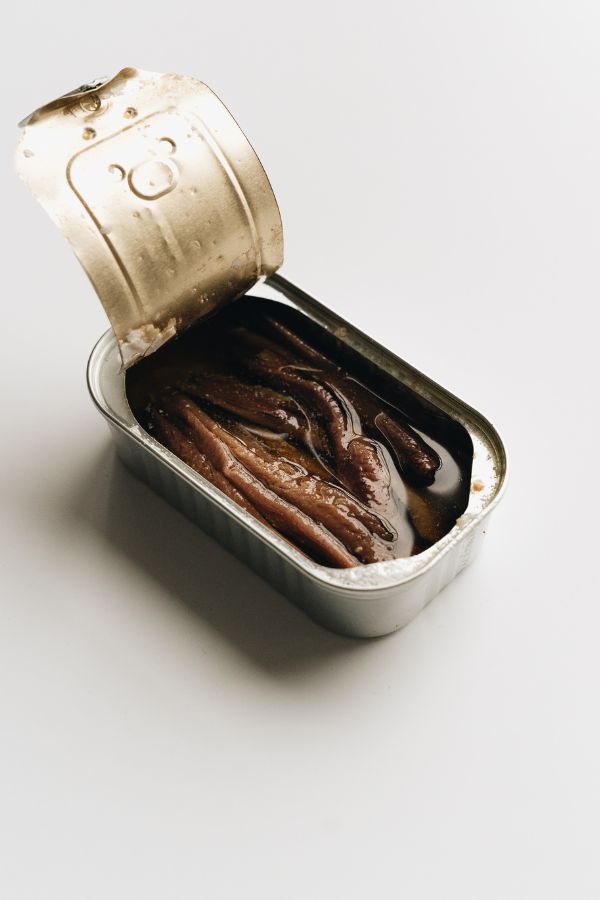
This is the one that surprised me most. My vet didn’t say “fish oil supplement.” She said sardines. The actual fish.
One small can of sardines packed in water contains roughly 1,800 mg of omega-3 fatty acids (EPA and DHA combined), plus vitamin B12, vitamin D, selenium, and CoQ10.
Here’s why. A 2021 study published in PLOS One looked at omega-3 supplementation in 29 dogs with myxomatous mitral valve disease, the exact heart condition Cavaliers are prone to.
Dogs getting omega-3s had 2.96 times lower risk of arrhythmias. Forty percent of the control group progressed to advanced heart failure or died. Forty percent of the omega-3 group stayed stable.
That’s not a small difference.
Sardines deliver these omega-3s in their natural triglyceride form, which your dog absorbs better than the ethyl ester form in most bottled fish oil. Plus they’re tiny fish at the bottom of the food chain, so mercury isn’t a concern.
I toss one or two sardines into Snickers’ bowl about twice a week. Takes five seconds. He acts like it’s Christmas morning every time.
How to Serve Sardines
- Buy canned sardines in plain water, no salt added. Drain before serving.
- Avoid anything packed in brine, tomato sauce, or seasoning. Check the label for garlic or onion powder (both toxic to dogs).
- The soft bones in canned sardines are completely safe to eat. No need to remove them.
Serving Size
| Dog Size | Amount |
|---|---|
| Small (10-20 lbs) | 1-2 sardines |
| Medium (20-50 lbs) | 2-3 sardines |
| Large (50+ lbs) | 4-5 sardines |
Feed 1-2 times per week. Dogs with pancreatitis or on low-fat diets should skip this one or check with their vet first.
Store opened cans in an airtight container in the fridge for up to 4 days. You can also freeze individual sardines in small bags for up to 3 months.
2. Blueberries
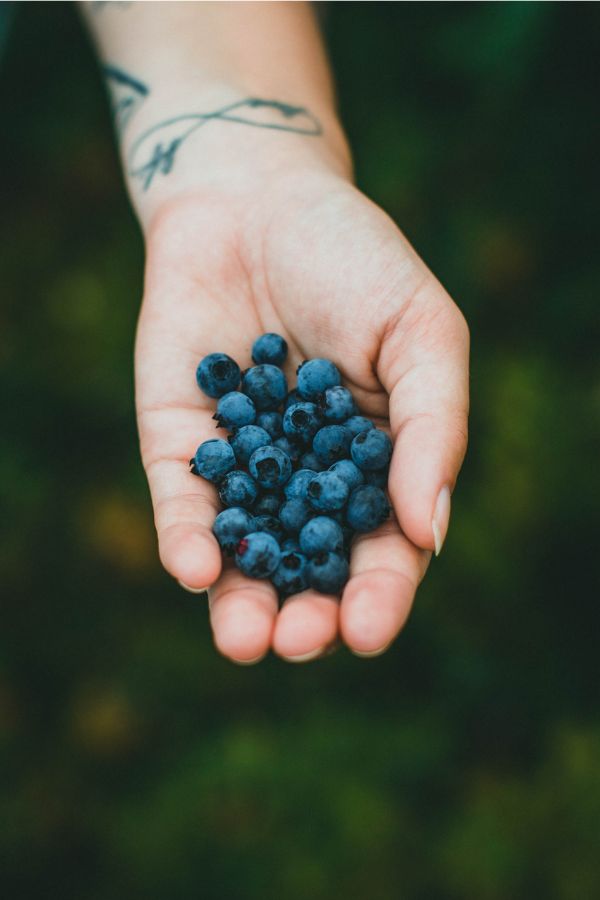
I used to think blueberries were just a cute Instagram treat. Turns out they’re one of the most researched antioxidant foods in canine nutrition.
The magic ingredient is anthocyanins, the compounds that give blueberries their deep blue color. These neutralize free radicals that damage cells and speed up aging. A 2025 study from Universitat Autonoma de Barcelona confirmed that dogs fed diets with blueberries showed improved palatability with no negative impact on nutrient absorption.
They’re also almost calorie-free. About 1 calorie per berry. For a breed that gains weight by looking at food (trust me on this one), that matters.
I keep a bag of frozen blueberries in the freezer and drop a few into Snickers’ bowl after I plate his meal. He crunches them like little candy. Tried three different “antioxidant supplements” before realizing the actual berry works better and costs less.
How to Serve Blueberries
- Fresh or frozen both work. Frozen ones are actually great in summer.
- Wash thoroughly before serving.
- For small dogs or fast eaters, cut them in half to prevent choking.
- Never use canned blueberries, especially anything packed in syrup or with added sweeteners.
Serving Size
| Dog Size | Amount |
|---|---|
| Small (10-20 lbs) | 2-3 blueberries |
| Medium (20-50 lbs) | 5-10 blueberries |
| Large (50+ lbs) | 10-15 blueberries |
Safe to feed daily. Start with 2-3 berries if your dog hasn’t had them before, and watch for loose stools.
3. Pumpkin
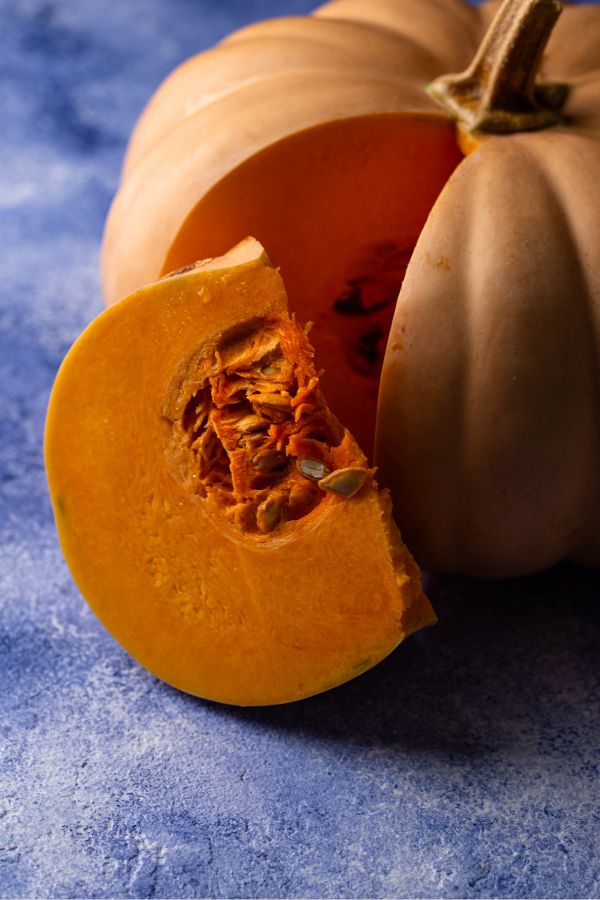
This one you’ve probably heard of. But most people only reach for pumpkin when their dog has an upset stomach. That’s selling it short.
Plain pumpkin is loaded with soluble fiber that works in both directions. Loose stools? The fiber absorbs excess water. Constipation? It adds bulk and moisture. It also acts as a prebiotic, feeding the good bacteria in your dog’s gut.
Beyond digestion, pumpkin packs beta-carotene (which dogs convert to vitamin A), vitamin C, vitamin E, potassium, iron, and folate. All for roughly 26 calories per 100 grams. That’s almost nothing. Check out my favorite 3-ingredient pumpkin dog treats.
How to Serve Pumpkin
- Canned is actually preferred by most vets. It’s more concentrated and easier to measure than fresh.
- Buy 100% pure pumpkin puree. Read the label carefully. It must say only “pumpkin.”
- Never buy pumpkin pie filling. The cans look almost identical, but pie filling contains sugar, nutmeg (toxic to dogs), and sometimes xylitol. This is the one mistake you don’t want to make.
- Fresh pumpkin works too. Bake or steam it, remove the skin and seeds, then mash.
Serving Size
| Dog Size | Amount |
|---|---|
| Small (10-20 lbs) | 1 teaspoon |
| Medium (20-50 lbs) | 1 tablespoon |
| Large (50+ lbs) | 1-2 tablespoons |
Safe to add daily. About 1 teaspoon per 10 lbs of body weight.
Freeze leftover canned pumpkin in ice cube trays. Each cube is roughly one serving. Keeps for up to 3 months in the freezer.
4. Eggs
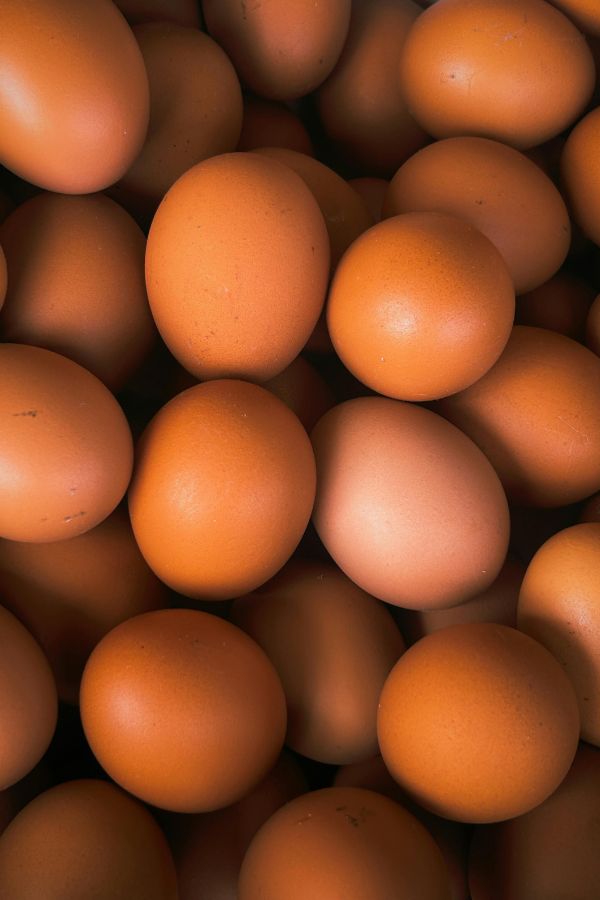
If there’s one food that punches above its weight, it’s the humble egg. One large egg contains about 6 grams of complete protein with a biological value of 100. That’s the gold standard. Literally. All other protein sources are ranked against eggs.
What makes homemade dog food with eggs special is the nutrient density. You get selenium (in the organic selenomethionine form, which is way more bioavailable than the sodium selenite dumped into most commercial dog food), choline for brain and liver function, lutein and zeaxanthin for eye health, plus vitamins A, D, and a stack of B vitamins.
Here’s a detail most people miss. Dogs absorb 70-90% of choline from whole eggs compared to only 40-60% from synthetic choline chloride. Same story with lutein. A ScienceDirect study found that lutein from eggs is more bioavailable than from supplements or even spinach.
How to Serve Eggs
- Always cook them. Hard-boiled is the easiest. Scrambled without butter or oil works too.
- No butter, no oil, no salt, no seasoning. Plain.
- Raw eggs carry Salmonella risk and the whites contain avidin, which blocks biotin absorption. Not worth it.
- Remove the shell before serving (or crush it into a fine powder and sprinkle it as a calcium boost).
Serving Size
| Dog Size | Amount |
|---|---|
| Small (10-20 lbs) | 1/4 to 1/2 egg |
| Medium (20-50 lbs) | 1/2 to 1 egg |
| Large (50+ lbs) | 1 whole egg |
Feed 2-3 times per week. Eggs are calorie-dense (about 70 calories each), so don’t overdo it with small dogs. Dogs with pancreatitis should stick to egg whites only or skip entirely.
5. Bone Broth
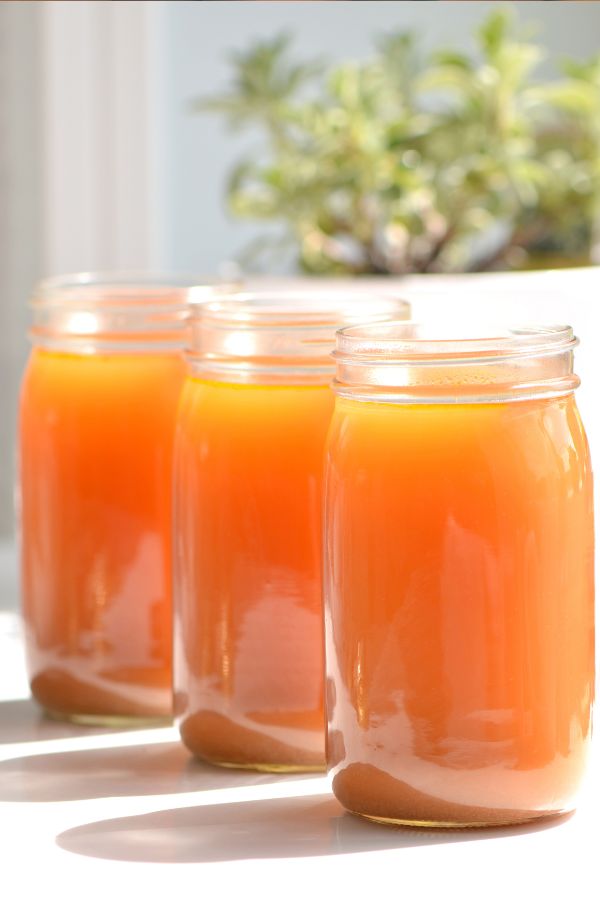
Now that you’ve got the solid foods covered, here’s the liquid gold.
Bone broth for dogs is one of those things that sounds complicated but really isn’t. You simmer bones low and slow for 12-24 hours, and out comes a broth packed with collagen, glycine, glucosamine, chondroitin, and hyaluronic acid. Basically everything in those expensive joint supplements, except in a form your dog’s body actually recognizes.
The glycine piece is interesting. It’s an amino acid the liver uses to detoxify. Dogs produce some naturally, but not always enough, especially dogs on long-term medications like NSAIDs. Bone broth supplements that pathway.
One important thing. Never use store-bought broth made for humans. It always contains onion, garlic, and way too much sodium. All three are bad news for dogs. Make your own or buy one specifically made for pets.
How to Make Bone Broth
- Get your bones. Beef knuckle bones or a chicken carcass work great. You can save bones from your own cooking.
- Add water and apple cider vinegar. About 2 tablespoons of vinegar per pot. This helps pull minerals out of the bones.
- Simmer low and slow. 12-24 hours on low in a slow cooker. Do not add salt, onion, garlic, or any seasoning.
- Strain twice. Get every bone fragment out. Tiny splinters can damage the digestive tract.
- Skim the fat. Let it cool in the fridge. The fat will solidify on top. Remove it before serving.
The broth should gel in the fridge. That jelly texture means you did it right. That’s the collagen.
Serving Size
| Dog Size | Amount |
|---|---|
| Small (10-20 lbs) | 2-4 tablespoons |
| Medium (20-50 lbs) | 1/3 to 1/2 cup |
| Large (50+ lbs) | 3/4 to 1 cup |
Safe to serve daily. Pour it over your dog’s meal as a topper. About 1 oz per 10 lbs of body weight.
Freeze bone broth in ice cube trays, then transfer to freezer bags. Each cube is one small-dog serving. Keeps up to a year in the freezer.
6. Sweet Potatoes

Sweet potatoes are probably already in your homemade meal rotation. If they’re not, they should be.
They’re one of the richest natural sources of beta-carotene, which dogs convert to vitamin A. The key advantage over a vitamin A supplement? Beta-carotene is self-regulating. Your dog’s body only converts what it needs and gets rid of the rest.
Synthetic vitamin A, on the other hand, builds up and can reach toxic levels. This is the method I’d go with every time.
You also get vitamin C, B6, manganese, potassium, and both soluble and insoluble fiber.
I bake a batch of sweet potatoes on Sunday, mash them up, and portion them into containers for the week. Snickers gets a spoonful mixed into his meals a few times. Simple.
How to Serve Sweet Potatoes
- Always cook first. Raw sweet potato is hard to digest and a choking hazard. Boil, steam, or bake.
- Remove the skin before serving. It’s tougher to digest and may carry pesticide residue.
- No butter, oil, salt, or seasoning. Plain.
- Never use canned sweet potatoes. They almost always have added sugar or syrup.
- Don’t confuse sweet potatoes with yams. True yams are a different plant. Stick to sweet potatoes.
Serving Size
| Dog Size | Amount |
|---|---|
| Small (10-20 lbs) | 1-2 teaspoons |
| Medium (20-50 lbs) | 1-2 tablespoons |
| Large (50+ lbs) | Up to 1/4 cup |
Feed a few times per week, not daily. Sweet potatoes are higher in natural sugars and carbs than other vegetables on this list. Dogs with diabetes should avoid them or use very small amounts. Dogs with a history of calcium oxalate bladder stones should also skip this one, as sweet potatoes contain high levels of oxalates.
Quick Reference: All 6 Foods at a Glance
| Food | Small Dog (10-20 lbs) | Frequency | Best For |
|---|---|---|---|
| Sardines | 1-2 fish | 1-2x/week | Heart, coat, joints |
| Blueberries | 2-3 berries | Daily | Antioxidants, brain |
| Pumpkin | 1 tsp | Daily | Digestion, weight |
| Eggs | 1/4-1/2 egg | 2-3x/week | Protein, coat, eyes |
| Bone broth | 2-4 tbsp | Daily | Joints, gut, hydration |
| Sweet potatoes | 1-2 tsp | Few times/week | Vitamin A, fiber |
Back to That Kitchen Floor
Snickers still parks himself on the kitchen floor every time I start cooking. Belly up, ears flopped, judging my every move. But these days, his coat has that shine back. His energy is better. And our vet actually commented on how good his bloodwork looked at his last visit.
Six foods. That’s it. Most of them cost less than a fancy coffee, and none of them take more than a minute to add to the bowl. The hardest part was just knowing which ones actually matter.
Snickers just rolled over and nudged his empty bowl toward me with his nose. I think that’s his way of saying we’re done here.
I’m a passionate dog lover and kitchen enthusiast, but I’m not a certified veterinarian or animal nutritionist. Long-term homemade diets should always be discussed with your vet to make sure your pup is getting everything they need.
Bon appétit to your furry friend!