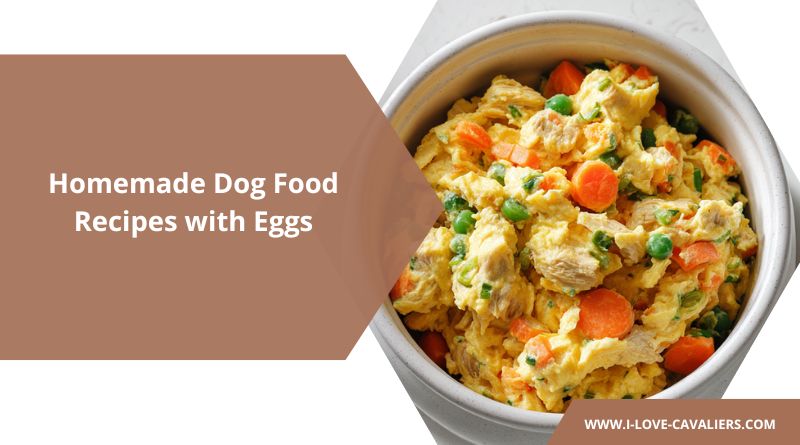
When I first started making homemade food for Snickers, I remember wondering about eggs. Can dogs eat them? Should they? I read so many different opinions that it honestly left me confused. Some said eggs were too rich, others warned about cholesterol.
But the more I researched, the clearer it became, eggs aren’t just safe for dogs, they’re one of the best things you can feed them. Packed with protein, healthy fats, and nutrients that support everything from muscle strength to coat health, eggs quickly became a staple in Snickers’ meals.
The first time I scrambled a couple of eggs with chicken and veggies, I set the bowl down and watched him dive in with more excitement than I’d seen in months. No hesitation. No pushing food around. Just pure joy.
That moment made me realize I’d been overcomplicating his meals for too long. Simple, whole ingredients were what he needed all along.
Now, after years of feeding Snickers homemade food, eggs remain at the heart of it all. They’re easy, nutritious, and he never gets tired of them.
And over time, I’ve narrowed things down to four favorite recipes, the ones I keep coming back to, the ones that make him happiest, and the ones I trust to give him the nutrition he deserves.
Why Make These Egg-Based Doggy Meals
Eggs serve as the perfect protein base in every recipe, providing:
- Complete amino acid profile for muscle development
- Healthy fats for coat shine and brain function
- Choline for cognitive health and liver function
- Biotin for healthy skin and nail growth
- Natural palatability that makes every meal irresistible
#1: Chicken & Veggie Scramble with Eggs
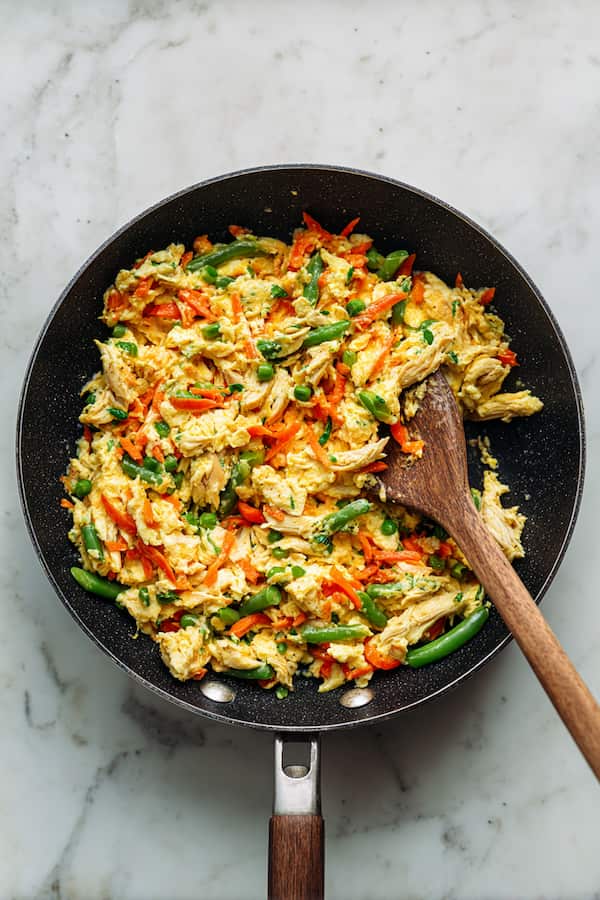
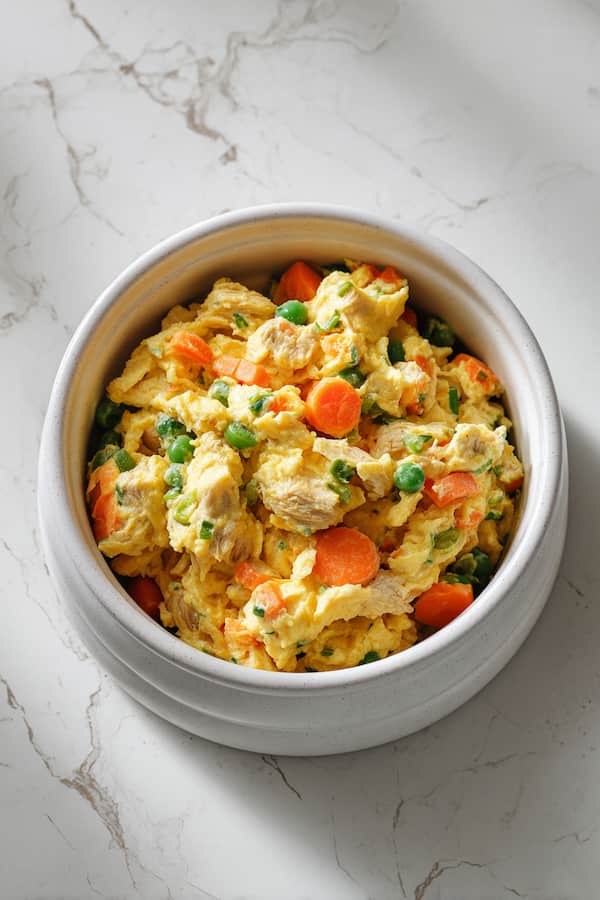
This balanced meal provides sustained energy perfect for active dogs or growing puppies.
Ingredients
| Ingredient | Amount |
|---|---|
| Large eggs | 4 |
| Cooked chicken breast, cubbed or shredded | 1 cup |
| Carrots, finely diced | ½ cup |
| Green beans, chopped | ½ cup |
| Olive oil or coconut oil | 1 tablespoon |
Step-by-Step Preparation
Create the Vegetable Base
Heat your oil in a large skillet over medium heat. Add the diced carrots and green beans, cooking for 3-4 minutes until they begin to soften but retain slight crunch for texture variety. The retained crunch provides dental benefits and ensures your dog gets varied textures that stimulate natural chewing instincts. Carrots should be translucent at the edges while maintaining firmness in the center.
Incorporate the Protein
Add the shredded chicken to the skillet, stirring gently to warm through and blend with the vegetables. Cook for 2 minutes until heated completely. This step allows the chicken to absorb the vegetable flavors while releasing its natural juices, creating a more cohesive and flavorful meal that will entice even picky eaters.
Add the Eggs
Crack the eggs directly into the skillet, then scramble gently with a spatula until fully cooked and integrated with the other ingredients. The eggs should coat everything in creamy richness. Use low-medium heat to prevent the eggs from becoming rubbery, which can make them less digestible.
Cool and Serve
Remove from heat and let cool to room temperature before serving. Hot food can burn your dog’s mouth and damage nutrients. Test the temperature with your finger – it should feel neutral to slightly warm.
Pro Tip: This recipe works excellently as a morning meal for dogs with high energy needs. Substitute turkey or lean beef if your dog prefers different proteins.
#2: Beef, Rice & Egg Bowl
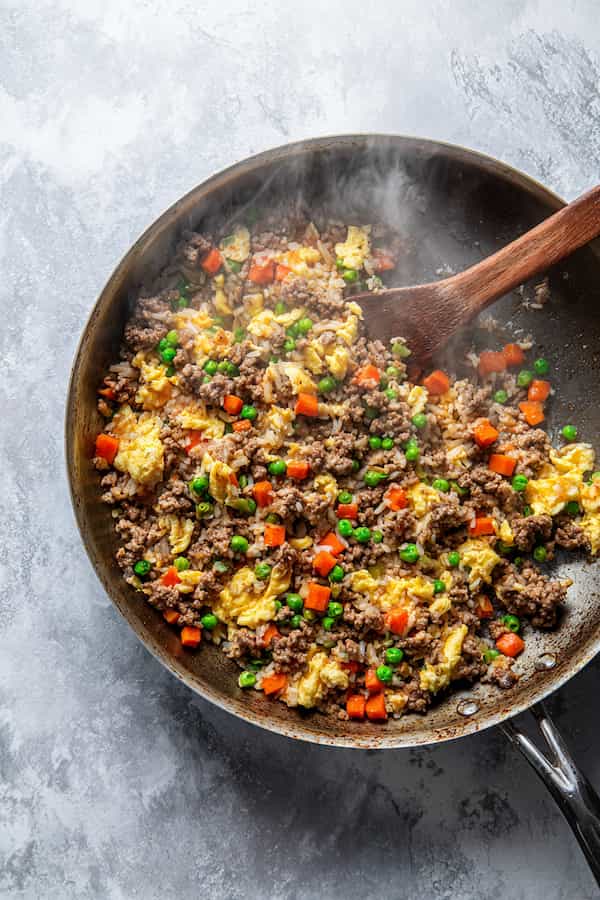
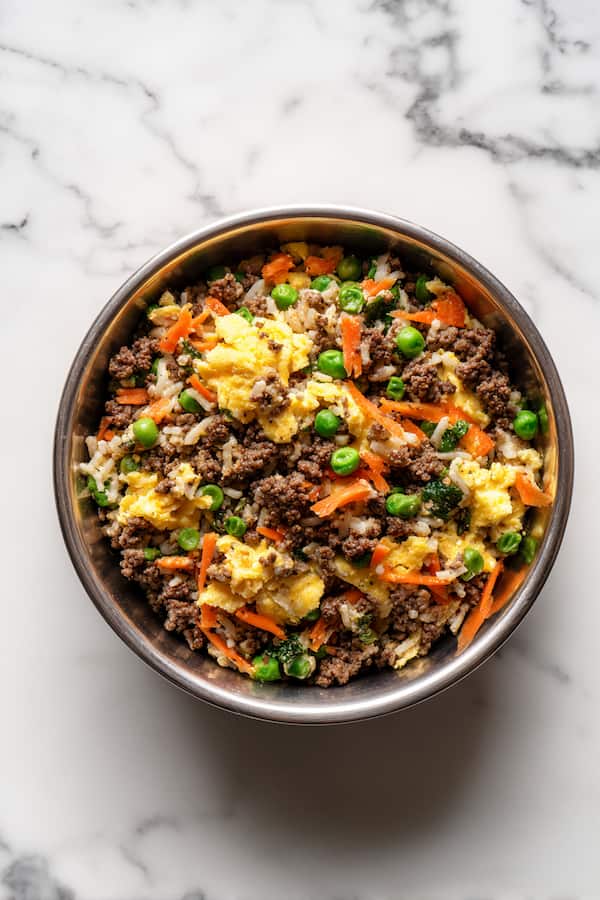
Perfect for larger dogs or those needing to gain weight, this recipe provides substantial nutrition with satisfying bulk.
Ingredients
| Ingredient | Amount |
|---|---|
| Lean ground beef | 1 lb |
| Cooked white or brown rice | 2 cups |
| Large eggs | 2 |
| Peas | ½ cup |
| Carrots, shredded | ½ cup |
| Coconut oil | 1 teaspoon |
Step-by-Step Preparation
Brown the Foundation
Warm coconut oil in a large skillet and brown the ground beef thoroughly, breaking it into small, manageable pieces. Drain any excess fat if necessary to prevent digestive upset. Aim for pieces no larger than ½ inch to ensure easy digestion and prevent choking hazards.
Add Vegetable Nutrition
Incorporate the peas and shredded carrots, sautéing for 3-4 minutes until vegetables are tender but not mushy. The peas should maintain their bright green color, indicating preserved nutrients. Carrots should be softened enough to release beta-carotene but retain enough structure to provide beneficial fiber for digestive health.
Integrate the Carbs
Stir in the pre-cooked rice, mixing well to distribute evenly and warm through completely. The rice should absorb some of the beef juices, creating a more unified dish. Ensure all rice grains are separated and evenly distributed to prevent clumping.
Finish with Eggs
Crack the eggs directly into the mixture and scramble until completely cooked and distributed throughout the meal. The eggs should reach an internal temperature of 160°F for food safety.
Cool for Safety
Allow to reach room temperature before serving to prevent mouth burns and preserve nutrients. Stir occasionally during cooling to prevent hot spots and ensure even temperature distribution throughout the bowl.
Batch-Cooking Tip: This recipe doubles or triples easily and stores in the refrigerator for 3-4 days or freezer for up to 2 months in individual portions.
#3 Salmon & Egg Veggie Mix
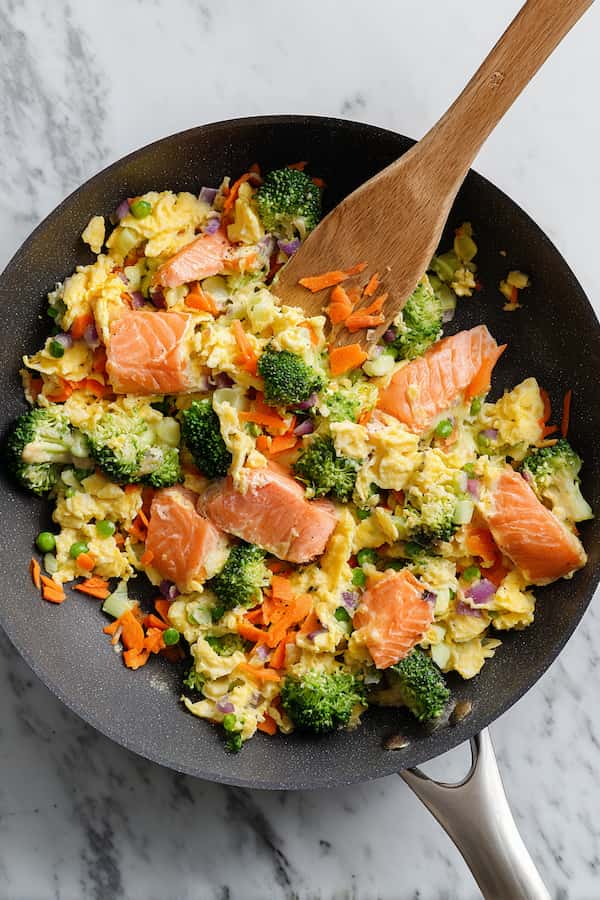

Ideal for senior dogs or those needing cognitive support, this recipe provides essential omega-3 fatty acids with complete nutrition.
Ingredients
| Ingredient | Amount |
|---|---|
| Canned salmon (in water, drained) | 1 can |
| Large eggs | 3 |
| Broccoli florets, chopped | 1 cup |
| Carrots, shredded | ½ cup |
| Olive oil | 1 tablespoon |
Step-by-Step Preparation
Prepare the Vegetables
Steam the broccoli florets and shredded carrots until tender but still slightly firm. This preserves maximum nutrients while ensuring digestibility. Steaming retains more vitamins compared to boiling and maintains the vegetables’ natural color, indicating nutrient preservation.
Warm the Salmon
Heat olive oil in a skillet and add the drained salmon, breaking it into smaller pieces and warming gently to release aromatic oils. Remove any visible bones or skin fragments during this process. The gentle warming activates the salmon’s natural oils without destroying the delicate omega-3 fatty acids that are crucial for brain and joint health.
Create the Egg Base
Crack eggs directly into the salmon mixture and scramble until fully cooked, creating a cohesive, protein-rich foundation. Use gentle heat to prevent the eggs from becoming tough, which can reduce their digestibility. The combination creates a complete amino acid profile that’s particularly beneficial for senior dogs with changing nutritional needs.
Combine Everything
Mix in the steamed vegetables, ensuring even distribution throughout the salmon and egg mixture. Fold gently to maintain vegetable integrity while ensuring every bite contains a balanced mix of protein, healthy fats, and fiber. The vegetables should retain their distinct colors and textures within the mixture.
Cool Before Serving
Let the mixture reach room temperature to prevent burns and preserve the delicate omega-3 oils. Higher temperatures can degrade these beneficial fats, reducing their anti-inflammatory properties that are so valuable for senior dogs.
Health Note: The combination of salmon and eggs provides optimal brain-supporting nutrition, particularly beneficial for senior dogs or those recovering from illness.
#4: Quinoa, Chicken & Egg Power Bowl
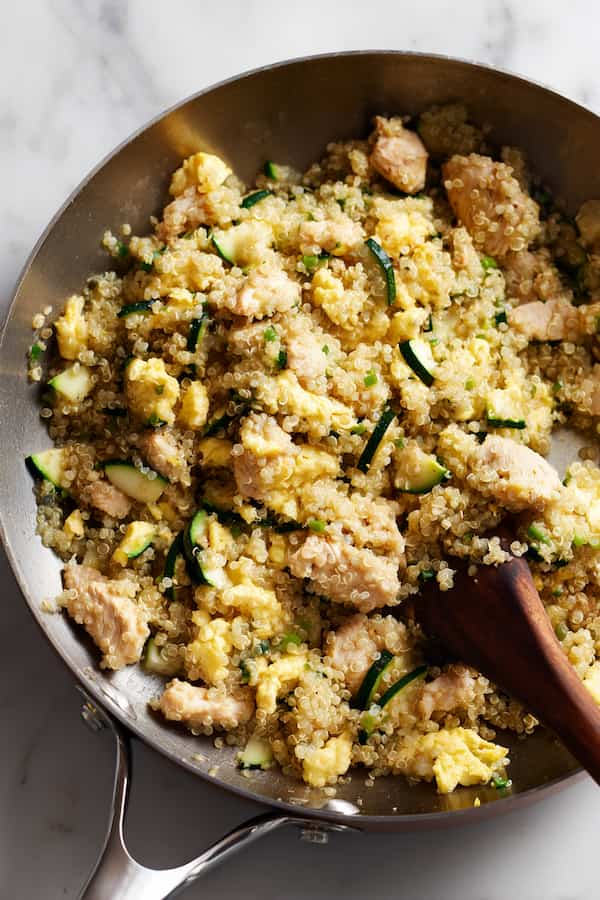

Perfect for working dogs, highly active breeds, or dogs in training programs requiring sustained energy and recovery nutrition.
Ingredients
| Ingredient | Amount |
|---|---|
| Cooked quinoa | 1 cup |
| Cooked chicken breast, diced | 1 cup |
| Large eggs | 2 |
| Zucchini, shredded | ½ cup |
| Coconut oil | 1 tablespoon |
Step-by-Step Preparation
Start with Fresh Vegetables
Heat coconut oil in a skillet and cook the shredded zucchini for 2-3 minutes until just softened but not watery. Zucchini releases moisture quickly, so monitor carefully to prevent the mixture from becoming soggy.
Add Protein and Carbs
Incorporate the diced chicken and cooked quinoa, stirring to warm through and coat with the aromatic coconut oil. The quinoa should maintain its individual grain structure while absorbing the flavors from the oil and chicken.
Finish with Egg Protein
Crack the eggs into the mixture and scramble until completely cooked and distributed throughout all ingredients. The eggs should bind all components together while adding additional high-quality protein that aids in muscle recovery after intense activity or training sessions.
Cool
Allow to reach room temperature before serving to ensure safe consumption and nutrient preservation. The cooling process allows the quinoa to fully absorb the flavors while preventing any thermal damage to sensitive nutrients.
Performance Tip: This recipe provides sustained energy release perfect for dogs with high activity levels or those in training programs requiring consistent fuel.
Storage and Meal Prep Mastery
- Short-Term Storage (3-4 Days)
Store cooled meals in airtight containers in the refrigerator. Glass containers work best for maintaining freshness and preventing odor absorption.
- Long-Term Storage (Up to 2 Months)
Freeze individual portions in meal-sized containers or freezer bags. Label with recipe name and date for easy rotation.
- Thawing and Reheating Guidelines
Thaw frozen meals in the refrigerator overnight. Warm slightly in the microwave if desired, but ensure food isn’t hot before serving. Many dogs prefer room temperature meals.
Feeding Guidelines
Daily Serving Recommendations:
- Small dogs (10-25 lbs): ½ to 1 cup per meal
- Medium dogs (25-60 lbs): 1 to 2 cups per meal
- Large dogs (60-100 lbs): 2 to 3 cups per meal
- Giant breeds (100+ lbs): 3 to 4 cups per meal
Meal Frequency Guidelines:
- Puppies (8 weeks-6 months): 3-4 meals daily
- Adult dogs: 2 meals daily
- Senior dogs: 2 meals daily, possibly smaller portions
Transition Protocol for Kibble-Fed Dogs
Gradually introduce homemade meals over 7-10 days, starting with 25% fresh food mixed with 75% kibble, increasing fresh food by 25% every 2-3 days.
Creative Modifications for Special Needs
Weight Management Versions
- Reduce oil quantities by half
- Increase vegetable proportions
- Use some egg whites instead of whole eggs
- Add extra fiber with green vegetables
Sensitive Stomach Adaptations
- Use single protein sources initially
- Steam all vegetables until very soft
- Avoid high-fat ingredients until tolerance improves
- Introduce new ingredients one at a time
Puppy Growth Modifications
- Increase protein percentages
- Add calcium through small amounts of plain yogurt
- Ensure all ingredients are finely chopped for easy eating
- Feed smaller, more frequent portions
Senior Dog Considerations
- Softer textures through extended cooking
- Higher moisture content for hydration
- Joint-supporting ingredients like salmon
- Smaller, more frequent meals for easier digestion
FAQs
Can I feed these meals exclusively instead of kibble?
These recipes provide balanced nutrition but consult your veterinarian before making permanent dietary changes. Some dogs may need additional supplements for complete nutrition.
How do I know if my dog is getting proper nutrition?
Monitor energy levels, coat condition, weight stability, and overall health. Regular veterinary checkups help ensure nutritional adequacy.
What if my dog doesn’t like eggs?
Start with very small amounts mixed thoroughly with favorite proteins. Most dogs develop a preference for eggs when properly introduced.
Are these recipes suitable for dogs with allergies?
These recipes work well for many food-sensitive dogs, but identify specific allergens first and modify ingredients accordingly.