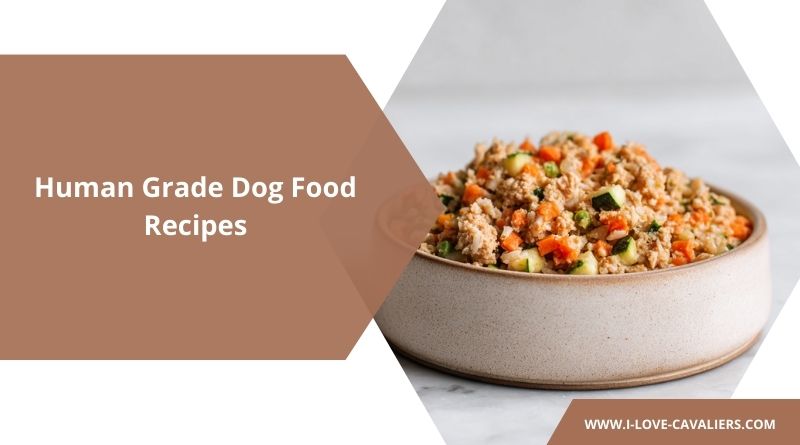
Snickers was sitting on the kitchen floor watching me cook dinner last Thursday. Chicken breast, broccoli, sweet potatoes. Normal weeknight stuff. And he had that look. The one where he tilts his head slightly and his ears drop forward, like he’s doing math on the odds of getting a piece.
I glanced at his bowl. Then at the ingredient list on a bag of kibble I’d picked up at the store earlier that week, one I was considering before I knew better. Chicken by-product meal, corn gluten meal, soybean hulls, animal digest, sodium selenite, menadione sodium bisulfite complex. I’m not even sure I can pronounce half of these. And I definitely don’t know what “animal digest” means, but it doesn’t sound like something I’d put on a plate.
That’s the thing that gets me every time. People stand in their kitchens cooking proper meals for themselves while their dog eats something they couldn’t identify half the ingredients of. The chicken on your cutting board and the “chicken” in that bag are not the same thing.
That’s why everything on this site is made from real food. Not gourmet, not fancy, not anything that requires a special trip to a health food store. Just regular grocery store ingredients, the same stuff you already buy for yourself, cooked in a way that works for a dog. Human-grade food doesn’t mean expensive or complicated. It means you could eat it too. You probably wouldn’t want to, because it’s bland and there’s no seasoning. But you could.
What “Human Grade” Actually Means
This term gets thrown around a lot on premium dog food packaging, and most of it is marketing. Here’s what it actually comes down to.
- Human-grade means every ingredient is fit for human consumption. The chicken is the same chicken you’d buy at the grocery store. The rice is the same rice. Nothing in the recipe would be rejected by a food inspector at a restaurant.
- Most commercial kibble doesn’t meet this standard. Ingredients like “meat meal,” “by-product meal,” and “animal digest” are made from parts of animals that wouldn’t pass human food inspection. They’re legal for pet food. But they wouldn’t end up on your plate.
- It’s not about being organic or premium. Human-grade doesn’t require organic vegetables or grass-fed beef. A regular chicken thigh from your local grocery store is human-grade. A frozen bag of peas is human-grade. The bar is “would a person eat this?” not “is this from a boutique farm?”
- Cooking at home automatically makes it human-grade. If you’re buying your ingredients at a grocery store and cooking them in your kitchen, it’s human-grade by definition. You don’t need a special label or certification.
The two recipes below use nothing you wouldn’t put in your own dinner. Every ingredient comes from the regular grocery store. No specialty pet shops, no online orders, no mystery powders.
#1 Chicken, Brown Rice & Vegetable Skillet
This is the recipe I’d point anyone to if they’ve never cooked for their dog before. It uses one pan, six ingredients, and takes about 35 minutes. Snickers gets this three or four nights a week, and I make a big enough batch that it covers multiple days.
If you’re worried about whether homemade food provides enough nutrients for an adult dog, our vet-approved puppy recipe guide covers the nutritional basics, and the same principles apply to adult meals with adjusted ratios.
Ingredients
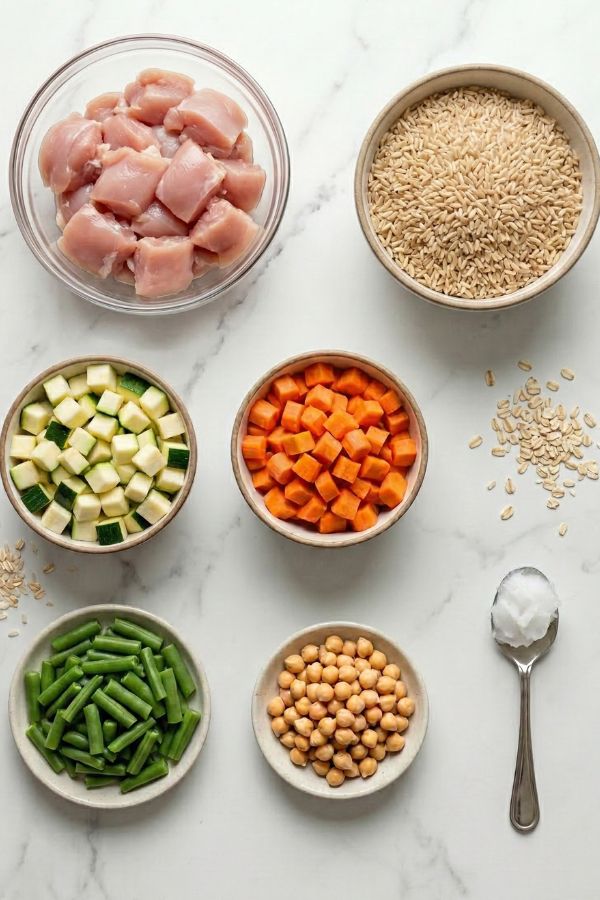
| Ingredient | Amount | Why It’s Here |
|---|---|---|
| Boneless, skinless chicken thighs | 1.5 lbs | Primary protein. More moisture and fat than breast, which dogs need. |
| Brown rice (uncooked) | 1 cup | Slow-digesting carb. More fiber and nutrients than white rice. |
| Zucchini | 1 medium, diced | Low-calorie vegetable. Gentle on the stomach. |
| Carrots | 2 medium, diced | Vitamin A, fiber, natural sweetness dogs love. |
| Green beans (fresh or frozen) | 1 cup, chopped | High fiber, low calorie. Helps dogs feel full. |
| Coconut oil | 1 tablespoon | Healthy fat. Supports skin and coat. |
| Calcium supplement | Per package directions | Covers what whole foods alone can’t. |
| Water | 2.5 cups | For cooking the rice. |
Total ingredient cost: roughly $7 to $9 depending on your area. This makes about 8 cups of food.
Step by Step Instructions
Step 1: Start the Brown Rice
Bring 2.5 cups of water to a boil in a medium saucepan. Add the brown rice, stir once, cover, and reduce heat to low. Let it cook for 25 minutes without lifting the lid. Brown rice takes longer than white rice. Don’t rush it or you’ll end up with crunchy grains that are hard for your dog to digest.
Step 2: Cook the Chicken
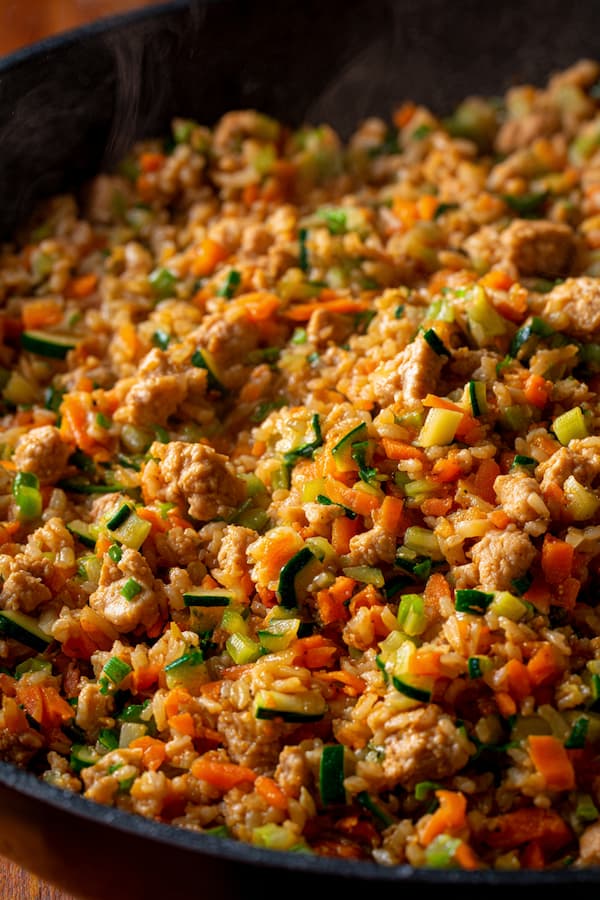
While the rice is going, cut the chicken thighs into small bite-sized pieces. Heat a large skillet over medium heat and add the coconut oil. Once it melts, add the chicken pieces. Cook for 8 to 10 minutes, stirring occasionally, until the pieces are cooked through and lightly browned on the outside. The kitchen will start smelling like dinner. Snickers will appear.
Step 3: Add the Carrots and Zucchini
Toss the diced carrots into the skillet with the chicken. Stir and cook for 5 minutes. Carrots take longer than zucchini, so they go in first. Then add the diced zucchini and cook for another 3 minutes. You want the vegetables soft but not mush. A fork should go through them easily.
Step 4: Add the Green Beans
Drop in the green beans and stir everything together. If you’re using frozen, they’ll release a little water into the pan. That’s fine. Cook for 2 to 3 minutes until they’re tender. Fresh green beans take closer to 4 minutes.
Step 5: Combine With the Rice
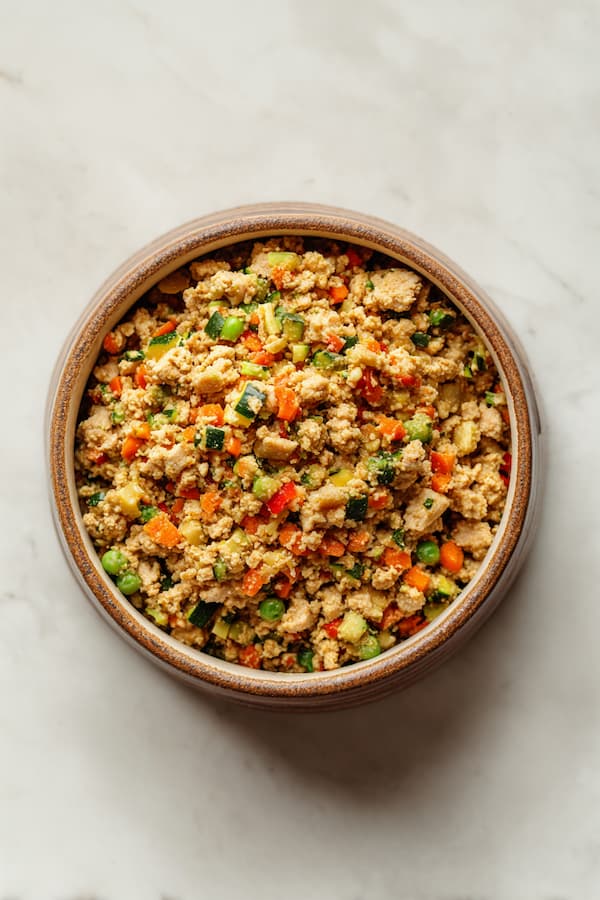
By now the rice should be done. Fluff it with a fork and add it directly to the skillet. Mix everything together over low heat for about a minute. The rice will soak up any remaining liquid and the whole thing should hold together like a thick stir-fry.
Step 6: Cool and Portion
Turn off the heat and let the skillet sit for at least 20 minutes before transferring to containers. I usually make this after dinner and let it cool while I clean up the kitchen. By the time I’m done with dishes, it’s ready to portion.
Storage
Fridge for up to 5 days in airtight containers. Freezer for up to 3 months. I keep 3 days in the fridge and freeze the rest in individual portions. When I need a frozen one, I move it to the fridge the night before and it’s thawed by morning.
Serving Guidelines
| Dog Weight | Daily Amount | Meals Per Day |
|---|---|---|
| 10 lbs | 1 cup | Split into 2 |
| 15 lbs | 1.5 cups | Split into 2 |
| 20 lbs | 1.75 cups | Split into 2 |
| 25 lbs | 2 cups | Split into 2 |
| 30 lbs | 2.25 cups | Split into 2 |
Brown rice is denser than white rice, so portions run slightly smaller than white rice recipes. Monitor your dog’s weight for the first few weeks and adjust.
Now that you’ve got the everyday recipe handled, here’s one for when you want to give your dog something a little richer.
#2: Beef, Potato & Spinach Stew
This one takes a little more time because you’re simmering instead of skillet-cooking, but the hands-on effort is almost the same. You’re mostly just waiting while the pot does its job. It’s a thicker, heartier meal that Snickers gets about once a week as a rotation from the chicken recipe. The whole batch fills the house with a smell that honestly makes me hungry.
Ingredients
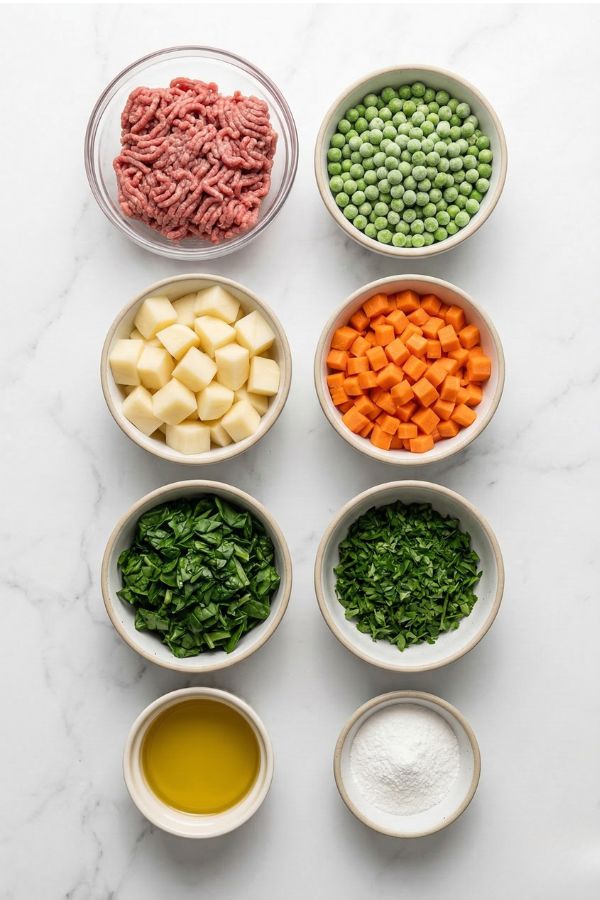
| Ingredient | Amount | Why It’s Here |
|---|---|---|
| Ground beef (90/10) | 1.5 lbs | Leaner cut that still has enough fat for flavor and nutrition. |
| Yukon Gold potatoes | 2 medium, cubed | Creamy texture when cooked. Dogs digest them easily. |
| Fresh spinach | 2 cups, roughly chopped | Iron, vitamins A and K, antioxidants. Cooks down to almost nothing. |
| Carrots | 2 medium, diced | Fiber and vitamin A. Sweet flavor dogs go for. |
| Frozen peas | 3/4 cup | Protein, fiber, and lutein for eye health. |
| Olive oil | 1 tablespoon | Healthy fat. Easier to find than coconut oil if you’re out. |
| Fresh parsley | 1 tablespoon, finely chopped | Freshens breath. Mild anti-inflammatory. Optional but helpful. |
| Calcium supplement | Per package directions | Essential for a balanced homemade diet. |
| Water or low-sodium beef broth | 3 cups | Broth adds flavor. Water works fine. |
Total ingredient cost: roughly $9 to $11. Makes about 9 cups of food. If you use broth, make sure it’s low-sodium and has no onion or garlic in the ingredient list.
Step by Step Instructions
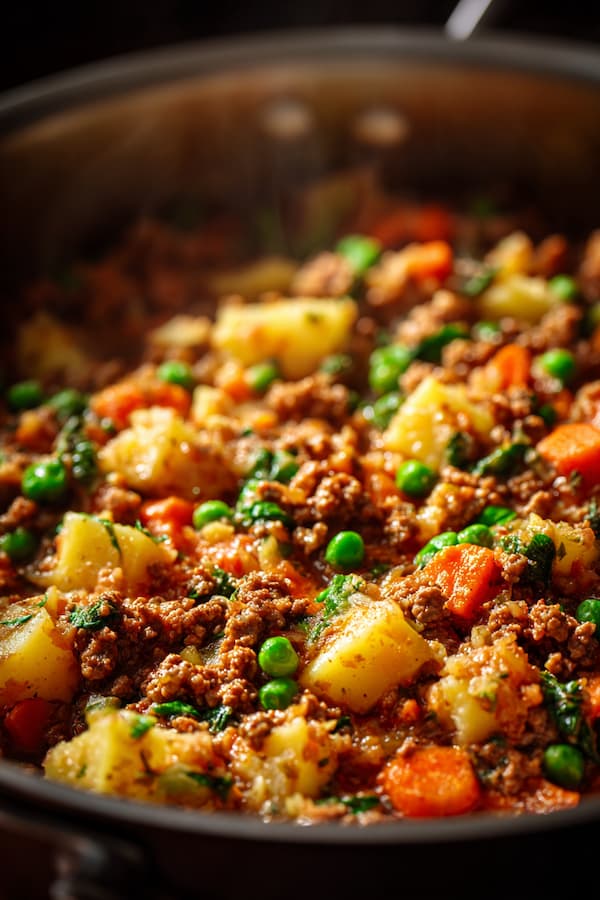
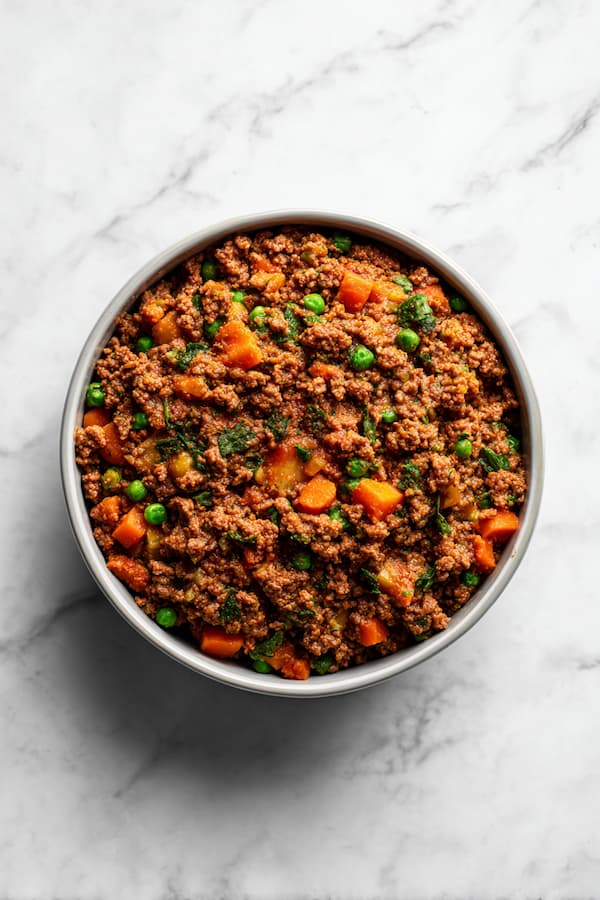
Step 1: Brown the Ground Beef
Add the ground beef to a large pot over medium heat. Break it apart with a wooden spoon as it cooks, about 7 minutes. You want small, even crumbles. Drain off about half the fat if you’re using anything fattier than 90/10. With 90/10, leave it all in.
Step 2: Add the Potatoes and Carrots
Toss in the cubed potatoes and diced carrots. Pour in 3 cups of water or broth. Stir, bring to a boil, then drop the heat to a low simmer. Cover and cook for 20 minutes. The potatoes should be soft enough to squish against the side of the pot.
Step 3: Mash Half the Potatoes
Take a fork or the back of your spoon and press about half of the potato cubes against the pot wall until they break apart. This thickens the stew and creates that rich, gravy-like base. Leave the other half in chunks so there’s texture. This step is the difference between a stew and a soup (don’t skip this).
Step 4: Stir in the Greens and Peas
Add the spinach, frozen peas, and chopped parsley. Stir everything together and let it cook for 3 to 4 minutes. The spinach will wilt down to almost nothing. That’s normal. Two cups of raw spinach turns into about 3 tablespoons of cooked spinach. Dogs get the nutrients without the bulk.
Step 5: Finish With Olive Oil
Turn off the heat. Drizzle in the olive oil and give the pot one final stir. The consistency should be thick, like a chunky chili. Not watery. If it’s too loose, leave the lid off for 5 minutes and it’ll tighten up as the potatoes continue absorbing liquid.
Step 6: Cool Completely
Let the stew cool in the pot with the lid off, or spread it on a sheet pan if you’re in a hurry. Never put warm food in sealed containers. The steam creates moisture that speeds up bacterial growth. I learned this the hard way when a batch went sour after two days instead of five.
Storage
Fridge for up to 5 days. Freezer for up to 3 months. This recipe freezes better than most because the mashed potatoes act as a binder that holds the texture together after thawing. Frozen portions thaw best in the fridge overnight.
Serving Guidelines
| Dog Weight | Daily Amount | Meals Per Day |
|---|---|---|
| 10 lbs | 0.75 cups | Split into 2 |
| 15 lbs | 1.25 cups | Split into 2 |
| 20 lbs | 1.5 cups | Split into 2 |
| 25 lbs | 1.75 cups | Split into 2 |
| 30 lbs | 2 cups | Split into 2 |
The beef stew is calorie-dense, so portions are smaller than the chicken skillet. If your dog is gaining weight on this recipe, drop the portion by a couple of tablespoons and recheck in two weeks.
Human Grade vs. Store-Bought: What You’re Actually Avoiding
I’m not here to say all commercial dog food is garbage. Some of it is fine. But when you look at what’s commonly found in mid-range kibble versus what goes into a batch you make at home, the difference is obvious.
| Ingredient Type | Human-Grade (Homemade) | Typical Kibble |
|---|---|---|
| Protein | Chicken thighs, ground beef | Chicken by-product meal, meat meal |
| Carbs | Brown rice, potatoes | Corn gluten meal, soybean hulls |
| Vegetables | Fresh carrots, spinach, peas | Dried beet pulp, tomato pomace |
| Fats | Coconut oil, olive oil | Animal fat (preserved with BHA) |
| Extras | Parsley, calcium supplement | Artificial colors, animal digest, sodium selenite |
None of this means kibble will hurt your dog. Plenty of dogs live long, healthy lives on commercial food. But if the option is there to feed real, identifiable food that you could eat yourself, and it costs roughly the same as premium kibble, it’s hard to argue against it.
The Supplement Question
Both recipes need a calcium supplement to be nutritionally complete. Whole foods cover most of what your dog needs, but calcium and a few trace minerals are the gap. This isn’t optional if you’re feeding homemade long-term.
What I use:
- Calcium carbonate powder mixed into each serving. My vet recommended this based on Snickers’ weight and age. The dosage is specific to your dog, so ask your vet for the right amount.
- A general dog multivitamin every other day. This catches anything the calcium alone doesn’t cover, like zinc, vitamin D, and iodine.
The supplement costs about $15 total per month for both products. That’s built into the cost estimates above. If you’re making your own eggshell calcium, it’s even cheaper.
One thing I’d avoid: buying “dog-specific” supplements that are just repackaged human vitamins at triple the price. Ask your vet what your dog actually needs, then buy the cheapest version of that specific supplement. Snickers doesn’t care about the packaging.
FAQ
How do I know if an ingredient is truly human-grade?
If you bought it at a regular grocery store, from the section where you’d shop for your own food, it’s human-grade. The chicken in the meat aisle, the rice in the grain aisle, the carrots in produce. If it’s something you’d eat yourself, it qualifies. The “human-grade” label on pet food packaging just means the product was made in a facility that meets human food manufacturing standards.
Can I use ground turkey instead of chicken thighs?
Yes. Ground turkey is a direct swap and it’s often cheaper. Use 85/15 or 90/10 for the right fat content. The cooking time stays the same. I rotate between chicken and turkey depending on what’s on sale that week.
Is brown rice better than white rice for dogs?
Brown rice has more fiber and nutrients, but it’s harder to digest for some dogs. If your dog has a sensitive stomach, white rice is gentler. Healthy adult dogs handle brown rice fine. I use brown rice in the everyday skillet recipe and white rice when Snickers has had an off day. Our rice-based recipe guide covers both options in detail.
The Cutting Board Moment
I think about that Thursday night sometimes. Standing in the kitchen with a chicken breast on the cutting board, Snickers on the floor, and a bag of kibble with ingredients I couldn’t pronounce sitting on the counter behind me.
It wasn’t a dramatic moment. Nobody cried. No music swelled. I just looked at my dog, looked at his food, and thought, I can do better than this. And it turned out I could, with the same ingredients I was already buying for myself, in the same kitchen, with the same pots and pans.
Snickers is curled up on his bed right now, one eye half-open, tracking me across the room the way he does when he suspects it’s close to dinner time. It’s not. He’s got two more hours. But he’s an optimist.
If you’ve been thinking about switching to homemade but keep putting it off because it sounds hard, pick one recipe. Make it once. Put it in the bowl and watch what happens. That’s all it took for me.
I’m a dog owner who loves spending time in the kitchen, but I’m not a veterinarian or certified animal nutritionist. These recipes use real, human-grade ingredients, but they haven’t been formally analyzed by a pet nutritionist. If you’re switching to a fully homemade diet long-term, get your vet involved to make sure your dog’s specific needs are covered.
Happy cooking for your pup!