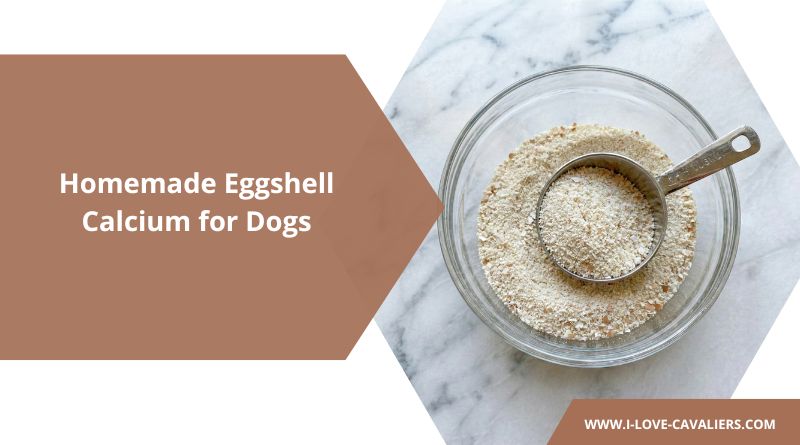
I’ll be the first to admit that my mornings usually look a bit chaotic. Between getting the kids ready for school and trying to find my own coffee mug, breakfast often involves cracking a few eggs into a pan and hoping for the best.
But last week, as I was tossing yet another pile of eggshells into the trash, Snickers was watching me with that intense, head-tilted curiosity he reserves for “human activities.” It hit me—we spend so much money on fancy supplements and vitamins for our dogs, yet here I was throwing away one of nature’s best sources of calcium.
I did a little digging and realized that with almost zero effort (and I mean zero culinary skills required), I could turn this kitchen scrap into a nutritional powerhouse.
It turns out, you don’t need a degree in animal nutrition to boost your dog’s bowl. You just need some leftover shells and a few minutes of free time.
Why This Calcium Powder Is Worth Making
- It’s Completely Free
If you eat eggs, you already have the ingredients. Unlike store-bought supplements that can cost a pretty penny, this DIY version utilizes something you’d otherwise throw in the bin.
- Bioavailable Nutrition
Eggshells are about 95% calcium carbonate, which is incredibly easy for your dog’s body to absorb. It’s nature’s design for building strong structures, repurposed for your pup’s bones.
- Eco-Friendly and Zero Waste
There is something satisfying about closing the loop in your kitchen. Instead of filling up the landfill, you’re fueling your dog. It’s a small win for the planet and a big win for your wallet.
Homemade Eggshell Calcium Recipe
Ingredients
| Ingredient | Amount |
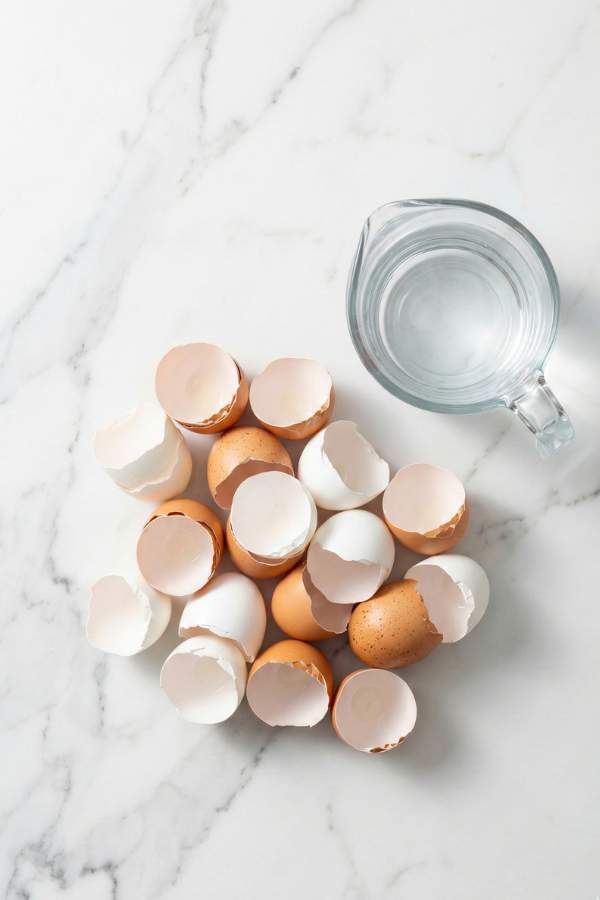
| Empty Eggshells | 12-18 shells (approx. one carton) |
| Water | Enough to cover shells for boiling |
Critical Safety Warning: Do not use this supplement if you are feeding your dog a commercial “Complete and Balanced” kibble or canned food. These foods already contain the exact amount of calcium your dog needs. Adding more can cause dangerous growth issues, especially in puppies. This supplement is intended for homemade, fresh food diets that lack edible bone.
Step-by-Step Instructions
Step 1: Collect and Rinse
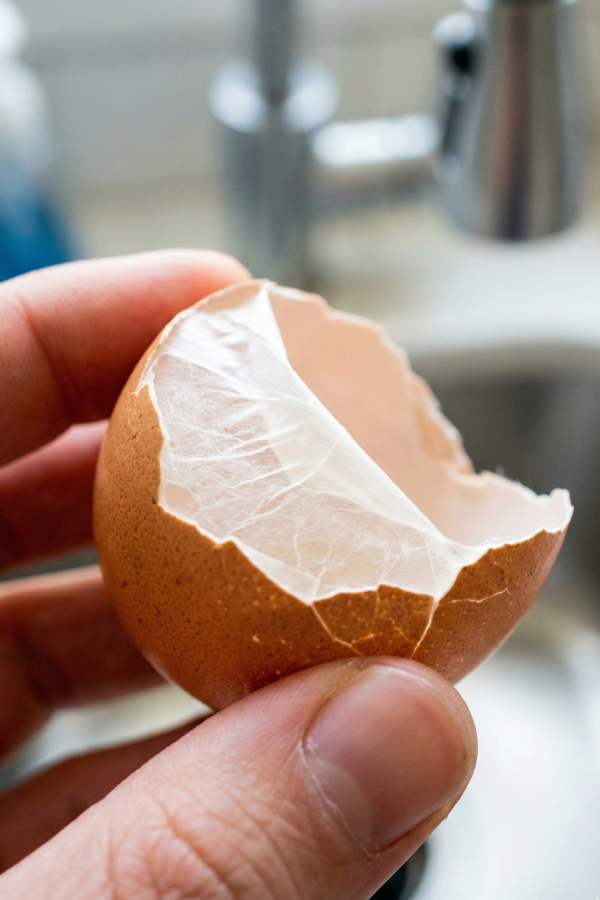
As you use eggs throughout the week, give the empty shells a good rinse under warm water to remove the slimy egg white residue. You don’t need to scrub them perfectly clean, but you want to wash away the sticky bits so they don’t get smelly. Store them in a bowl in the fridge until you have a good dozen or so.
Tip: Don’t remove the thin papery membrane inside the shell! That membrane is packed with glucosamine and collagen, which are amazing for your dog’s joints.
Step 2: Boil to Sanitize
Once you have a batch ready, toss the shells into a pot of boiling water. Let them boil for about 5 minutes. This is the most important step because it kills any lingering bacteria like Salmonella.
Step 3: Dry Them Out
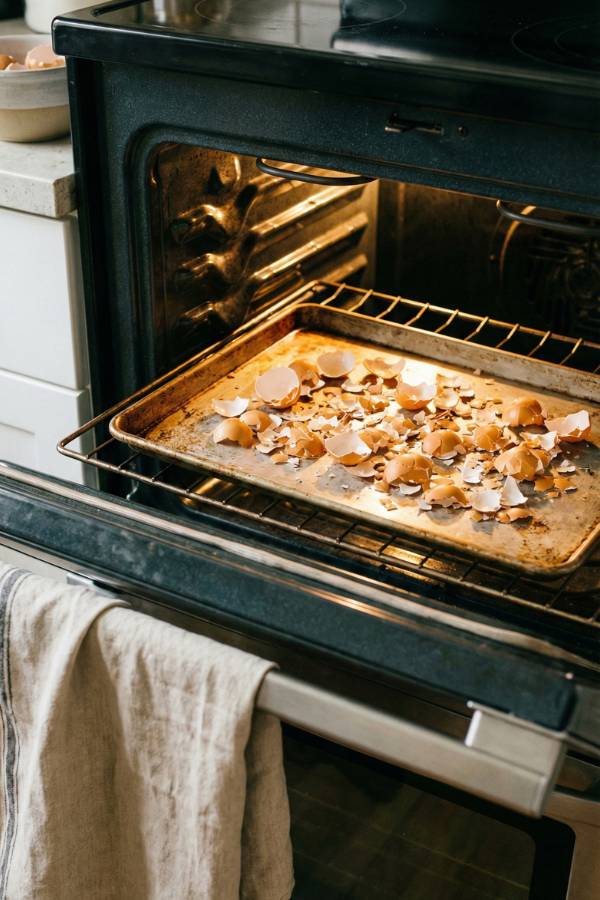
Drain the water and spread your clean shells onto a baking sheet. You can let them air dry overnight if you have the counter space (and no counter-surfing dogs!). If you’re in a hurry, pop the baking sheet into a 300°F (150°C) oven for about 5-7 minutes. You want them completely dry and brittle, but be careful not to burn them or your house will smell like singed hair!
Step 4: Grind into Powder
This is the fun part. Take your dried, crunchy shells and put them into a clean coffee grinder or a high-powered blender. Pulse until the shells turn into a super-fine, white dust. You don’t want any sharp, jagged shards left—just a soft, chalky powder.

Storage and Freshness
Room Temperature (2 Months)
Transfer your “white gold” into a clean glass jar (a recycled spice jar works perfectly). Keep it in a cool, dry cupboard. Because we boiled and dried the shells thoroughly, the powder is shelf-stable for about two months.
Serving Recommendations
Knowing how much to give is crucial. Calcium is all about balance.
| Diet Type | Dosage Amount |
| Homemade Food | ~ 1 teaspoon per pound of boneless meat |
| Per Meal | ~ ¼ teaspoon per cup of fresh food |
Note: These are general guidelines for adult dogs. If you are feeding a puppy or a pregnant dog, calcium requirements are very strict—please consult a vet or a canine nutritionist before DIY-ing their minerals.
Nutritional Benefits
- Bone Health from Calcium Carbonate Just like humans, dogs need calcium to maintain strong skeletal structure. This is especially important for dogs on homemade diets where they aren’t crunching on raw meaty bones.
- Joint Support from Membranes That thin skin inside the shell you usually peel off? It’s rich in chondroitin and hyaluronic acid, compounds often found in expensive joint supplements to help older dogs move comfortably.
- Magnesium and Phosphorus While calcium is the star, eggshells also contain trace amounts of other minerals that support muscle function and energy levels.
Frequently Asked Questions
Can I use brown eggshells?
Absolutely. The color of the shell just indicates the breed of the hen. Brown, white, or blue shells all have the same nutritional makeup and calcium content.
Does boiling destroy the nutrients?
No, calcium is a mineral and is very heat stable. Boiling ensures the shells are safe from bacteria, which is far more important than any negligible loss of trace nutrients.
Can I just crush them with my hands?
It’s better to use a grinder. Sharp shards of eggshell can be irritating to your dog’s throat or digestive tract. You want the consistency of flour or sand, not gravel.
Final Thoughts
So there you have it—a simple weekend project that turns breakfast trash into a treasure for Snickers. It’s one of those rare “DIYs” that actually saves you time and money rather than costing you a weekend of frustration.
Every time I sprinkle a little pinch of this white powder over Snickers’ dinner, I feel a tiny bit like a scientist and a chef rolled into one. He doesn’t know the difference, of course; he just knows dinner is served. But I know I’m giving him a boost that came straight from our own kitchen.
Happy grinding!