Your new puppy is growing fast, and you want to give them the absolute best start in life. You’ve been researching homemade dog food, but every article warns you that puppies have “special needs” and “complex requirements.” The more you read, the more worried you get about messing it up.
Here’s what vets actually say: yes, puppies need precise nutrition for proper growth—but that doesn’t mean homemade food is off limits. With the right recipes, proper supplements, and veterinary guidance, you can feed your puppy fresh, wholesome meals that support healthy development from day one.
In this guide, you’ll learn two vet-approved homemade dog food recipes specifically formulated for growing puppies, plus exactly what supplements you need to make these meals nutritionally complete.
Why Puppies Need Different Nutrition
Puppies aren’t just small adult dogs. Their bodies are building bones, developing organs, and growing muscle at a rapid pace. They need more protein, more calcium, specific mineral ratios, and higher calorie density than adult dogs.
A puppy eating adult dog food won’t get enough calcium or phosphorus for proper bone development. Too much calcium, though, and large breed puppies risk developmental bone disease. The balance has to be just right, which is why vet approval and proper supplementation are non-negotiable for homemade puppy food.
Critical nutrients for puppies:
- Protein: 22-32% of diet (higher than adult dogs)
- Fat: 8-20% for energy and brain development
- Calcium: 1-1.8% of diet (proper ratio with phosphorus)
- DHA: Omega-3 fatty acid for brain and eye development
- Complete vitamin profile: Including vitamins A, D, E, and B complex
The recipes below provide the protein, fat, and base nutrients. The supplement section ensures you’re meeting those exact calcium and vitamin requirements.
Before You Start: Important Guidelines
Talk to your vet first. This isn’t optional. Your veterinarian needs to know you’re feeding homemade food, can approve the specific recipes, and should monitor your puppy’s growth curve to ensure proper development.
Large breed puppies need special attention. Breeds that will exceed 50 pounds at maturity need controlled growth to prevent joint problems. Your vet may recommend adjusting portions or using a specialized supplement formulated for large breed puppies.
Growth monitoring is essential. Weigh your puppy weekly and track their body condition. They should gain weight steadily but not become overweight, which stresses developing joints and bones.
Transition gradually if your puppy is currently on commercial food. Mix increasing amounts of homemade food over 7-10 days to avoid digestive upset.
Consistency matters. Once you start, stick with it. Constantly switching between commercial and homemade food can confuse their system and make it harder to monitor nutritional adequacy.
Recipe 1: Chicken & Brown Rice Puppy Power Bowl
This recipe is perfect for puppies of all breeds and provides a solid foundation of protein, complex carbs, and essential nutrients. It’s gentle on sensitive puppy stomachs while delivering the nutrition they need for growth.
Ingredients
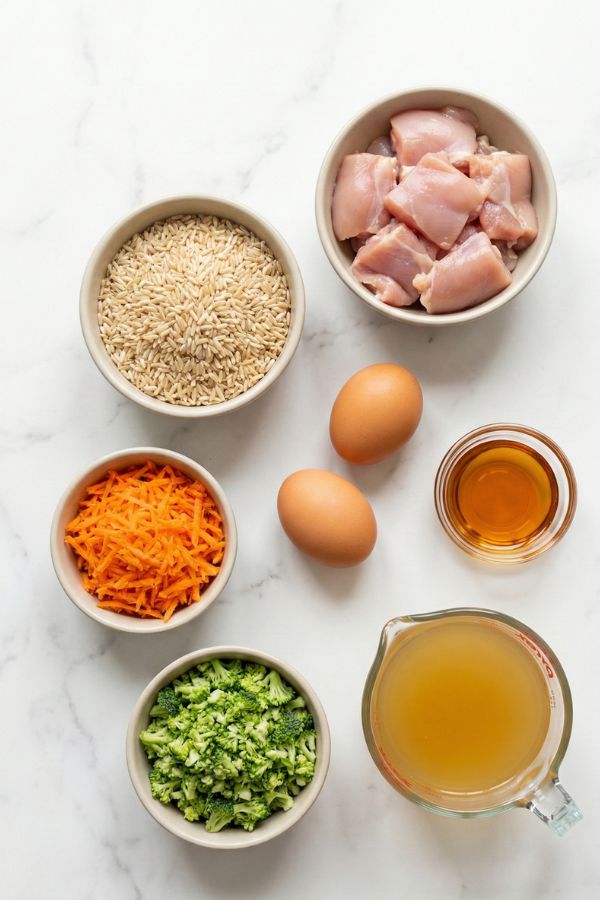
- 2 pounds boneless, skinless chicken thighs (higher fat content than breast—puppies need it)
- 1.5 cups brown rice (uncooked)
- 1 cup carrots (finely shredded)
- 1 cup broccoli (finely chopped, stems removed)
- 2 whole eggs (including shell, cleaned)
- 2 tablespoons salmon oil or fish oil
- 3 cups low-sodium chicken broth
Why These Ingredients:
Chicken thighs provide high-quality protein with natural fat for energy. Brown rice delivers digestible carbohydrates and B vitamins. Carrots and broccoli add vitamins A, C, and K plus fiber. Whole eggs (with shell) provide protein and calcium. Salmon oil delivers DHA for brain development.
Step-by-Step Instructions
Prep Time: 15 minutes
Cook Time: 45 minutes
Total Time: 60 minutes
Yield: About 10 cups (feeds a 20-pound puppy for 5-6 days)
Step 1: Prepare the Eggshell Calcium
Wash the whole eggs thoroughly. Boil them for 10 minutes, then cool completely. Remove shells and grind them to a fine powder in a clean coffee grinder or food processor. Set aside—this provides natural calcium for bone development.
Keep the cooked egg for the recipe. Chop into small pieces.
Step 2: Cook the Rice
In your large pot, combine brown rice and chicken broth. Bring to a boil, then reduce heat to low. Cover and simmer for 35-40 minutes until rice is tender and liquid is absorbed.
Step 3: Cook the Chicken
While rice cooks, cut chicken thighs into 1-inch chunks. In a separate pan, add chicken with 1/2 cup water. Cook over medium heat for 12-15 minutes until fully cooked (internal temp 165°F).
Once cooled slightly, pulse in food processor until finely chopped—not pureed, but smaller than adult dog portions. Puppies have small mouths and developing teeth.
Step 4: Prepare Vegetables
Finely shred carrots and chop broccoli into tiny pieces. Add to the cooking rice during the last 8-10 minutes of cooking. This steams them perfectly while keeping nutrients intact.
Step 5: Combine Everything
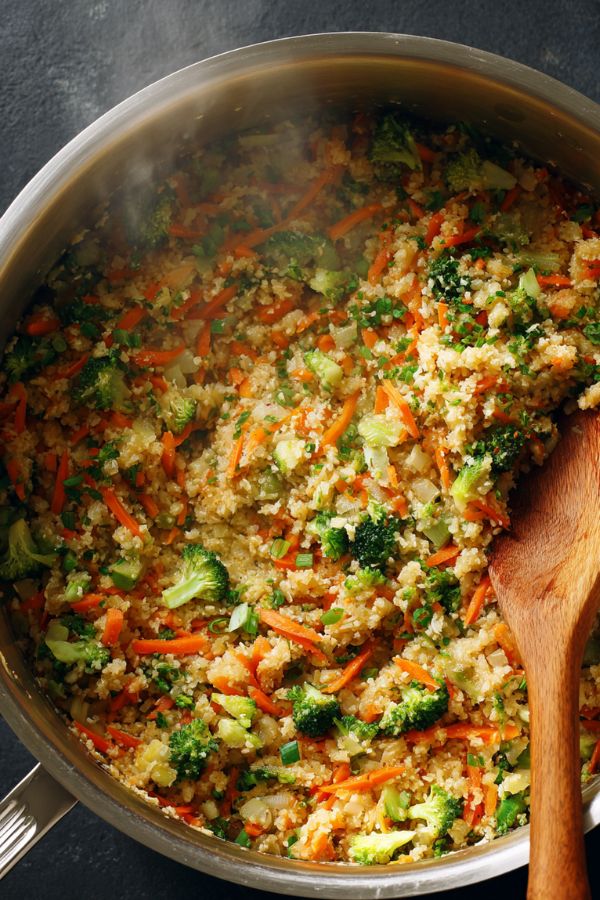
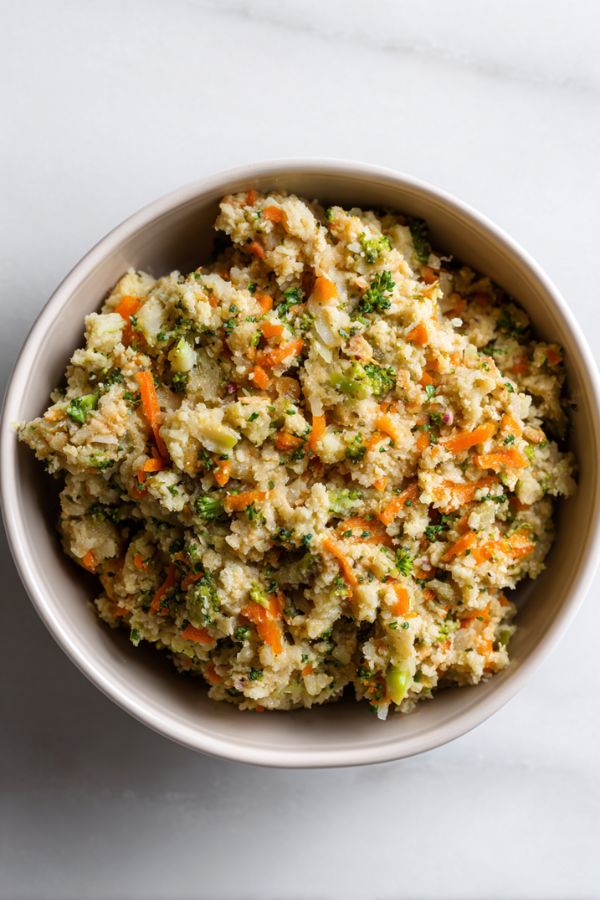
In a large mixing bowl, mix the cooked rice and vegetables, processed chicken, chopped egg, ground eggshell powder, and salmon oil. Stir thoroughly until everything is evenly distributed.
The consistency should be moist but not soupy. If too dry, add a splash of chicken broth.
Step 6: Cool and Portion
Let the mixture cool to room temperature. Divide into daily portions based on your puppy’s weight (see serving guide below). Store in airtight containers.
Serving Guidelines for Growing Puppies
Puppies need more food per pound of body weight than adult dogs because they’re growing. Feed 3-4 times daily for puppies under 3 months, 3 times daily for 3-6 months, then twice daily after 6 months.
Daily Feeding Amounts (divide into 3-4 meals):
- 5-10 lbs: 1-1.5 cups per day
- 10-20 lbs: 1.5-2.5 cups per day
- 20-30 lbs: 2.5-3.5 cups per day
- 30-40 lbs: 3.5-4.5 cups per day
- 40-50 lbs: 4.5-5.5 cups per day
Important: These are starting points. Adjust based on your puppy’s body condition. You should be able to feel their ribs easily but not see them prominently. Consult your vet if unsure about portions.
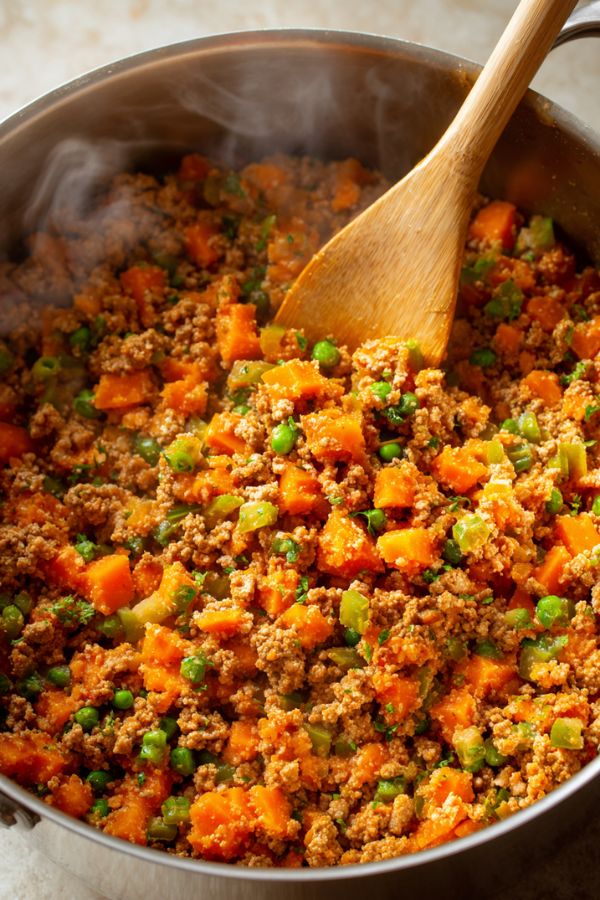
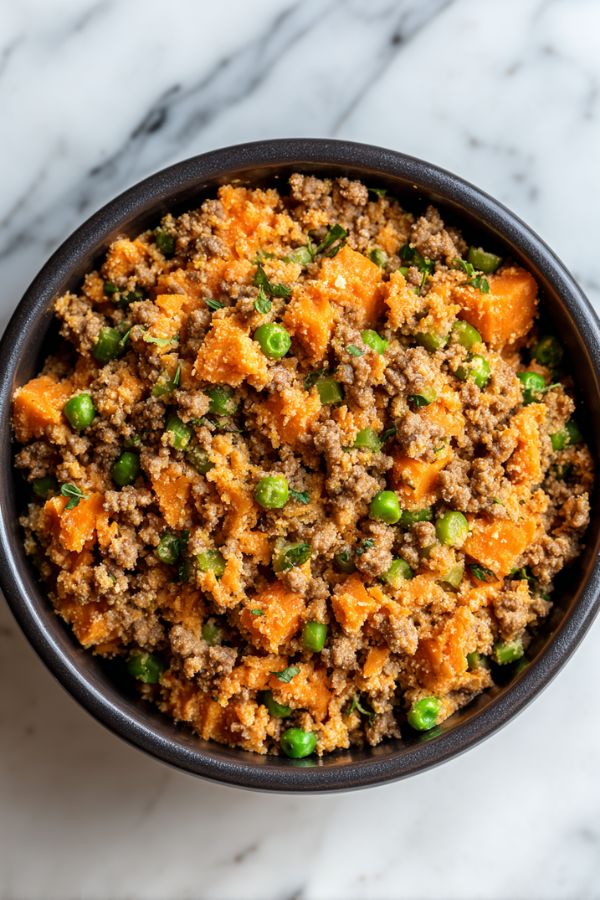
Recipe 2: Beef & Sweet Potato Growth Formula
This recipe delivers higher calorie density, making it ideal for large breed puppies or very active puppies who need extra fuel for growth and play.
Ingredients

- 2 pounds lean ground beef (90% lean)
- 2 large sweet potatoes (about 1.5 pounds)
- 1 cup green beans (fresh or frozen, finely chopped)
- 1 cup plain Greek yogurt (full-fat, no added sugars)
- 2 tablespoons coconut oil
- 1/2 cup oats (old-fashioned, not instant)
Why These Ingredients:
Grass-fed ground beef provides iron, zinc, and B vitamins crucial for development. Sweet potatoes deliver beta-carotene and digestible carbs. Green beans add fiber and vitamins. Greek yogurt provides protein, calcium, and probiotics for digestive health. Coconut oil offers medium-chain fatty acids for energy and coat health.
Step-by-Step Instructions
Prep Time: 15 minutes
Cook Time: 50 minutes
Total Time: 65 minutes
Yield: About 11-12 cups (feeds a 20-pound puppy for 6-7 days)
Step 1: Prepare Sweet Potatoes
Preheat oven to 400°F. Pierce sweet potatoes with a fork and roast for 45-50 minutes until very soft. Alternatively, peel, cube, and boil for 15-20 minutes.
Let cool, then scoop out flesh and mash until smooth. Discard skins.
Step 2: Cook the Beef
In a large skillet, brown ground beef over medium-high heat. Break it into very small pieces—think kibble-sized or smaller for puppies. Cook for 10-12 minutes until no pink remains.
Drain excess fat if using higher-fat beef, but keep some for nutritional value.
Step 3: Cook Oats and Green Beans
While beef cooks, bring 1.5 cups of water to boil. Add oats and reduce heat. Simmer for 5 minutes.
Add finely chopped green beans to the oats and cook for 3-4 more minutes until beans are tender. Drain any excess liquid.
Step 4: Combine Ingredients
In a large bowl, mix mashed sweet potato, cooked beef, oat and green bean mixture, Greek yogurt, and coconut oil. Stir thoroughly until evenly combined.
The Greek yogurt adds moisture and creates a creamy consistency puppies love. It also provides beneficial probiotics for their developing digestive system.
Step 5: Cool and Store
Allow mixture to cool completely before portioning. Divide into meal-sized containers based on your puppy’s weight and feeding schedule.
Serving Guidelines
Daily Feeding Amounts (divide into 3-4 meals):
- 5-10 lbs: 1-1.5 cups per day
- 10-20 lbs: 1.5-3 cups per day
- 20-30 lbs: 3-4 cups per day
- 30-40 lbs: 4-5 cups per day
- 40-50 lbs: 5-6 cups per day
This recipe is slightly more calorie-dense, so monitor your puppy’s weight closely and adjust portions as needed.
Pro Tips for Both Recipes
Texture matters: Puppies under 12 weeks may need food processed to a finer consistency. Older puppies can handle small chunks that encourage chewing.
Temperature preference: Serve at room temperature or slightly warm. Cold food from the fridge can be off-putting to puppies.
Hydration: Always provide fresh water. Puppies eating homemade food may drink less than those on dry kibble, but water should still be available 24/7.
Making It Complete: The Supplement Question
Here’s the truth about homemade puppy food: fresh ingredients provide superior protein quality, digestibility, and bioavailable nutrients compared to most commercial foods. But they don’t automatically provide every single vitamin and mineral in the precise amounts a growing puppy needs.
Commercial puppy foods are formulated to meet AAFCO standards, ensuring balanced nutrition with exact calcium-to-phosphorus ratios, appropriate vitamin D levels, and trace minerals like zinc and copper. When we cook at home, we need to bridge those gaps.
The good news? There’s an easy, scientifically-backed solution.
The Supplement I Use for Puppies
After consulting with my vet and researching options for Snickers when he was a puppy, I always recommend Azestfor Homemade Dog Food Vitamins for puppies eating primarily homemade food.
What makes Azestfor ideal for puppies:
- Designed for homemade diets: This isn’t a generic puppy vitamin. Azestfor is specifically formulated to fill nutritional gaps in home-cooked meals, with 24 essential vitamins and minerals including calcium, phosphorus (in proper ratio), vitamin D, and taurine.
- AAFCO compliant nutrition: When used with their recommended recipes, your homemade puppy food meets the same nutritional standards as premium commercial puppy food. That’s the peace of mind every puppy parent needs.
- Free vet-approved recipes: Their website includes puppy-specific recipes with exact supplement dosing already calculated—eliminates all guesswork about ratios and amounts.
- Proper calcium ratios: The calcium-to-phosphorus ratio is crucial for puppies (1.2:1 to 1.4:1 is ideal). Azestfor provides this precisely, preventing developmental bone issues.
- Budget-friendly: One bag makes approximately 33 pounds of complete, balanced puppy food. Compare that to premium commercial puppy food at $3-4 per pound, and you’re saving money while feeding better quality ingredients.
Dosing for puppies:
- Small breed puppies (under 20 lbs adult weight): 1 scoop per pound of food
- Medium breed puppies (20-50 lbs adult weight): 1 scoop per pound of food
- Large breed puppies (50+ lbs adult weight): Follow large breed puppy formula or consult vet for controlled growth
If you’re serious about feeding homemade food long-term—not just as an occasional topper—Azestfor is the investment that makes it truly complete and safe for your puppy’s development.
Other Quality Supplement Options
These alternatives also work well for puppies:
| Supplement | Approx. Price | Key Features | Best For |
| Wholistic Pet Organics Canine Complete | $30–$40 | • Whole-food organic powder, excellent for filling nutritional gaps in a homemade puppy diet. • Packed with probiotics, digestive enzymes, and essential vitamins. • Formulated for all life stages, so it fully supports healthy puppy growth. | Puppies needing a complete, all-in-one organic nutrient base for home-cooked meals. |
| JustFoodForDogs DIY Nutrient Blend | $35–$45 | • Literally made for DIY home cooking. They provide the exact grocery list (like chicken and white rice) and you just add the powder. • Formulated by vets to meet AAFCO standards for puppies. • Takes the guesswork out of balancing homemade food. | Owners who want foolproof, vet-approved recipes and exact nutrient matching for their puppy. |
Essential Additional Supplements
Beyond a complete multivitamin, consider these for optimal puppy development:
Salmon Oil or Fish Oil (~$15-25)
If not already included in your recipe, omega-3 fatty acids are crucial for brain and eye development in puppies.
Nordic Naturals Omega-3 Pet is my go-to choice:
- Ultra-pure, mercury-tested
- Perfect ratio of EPA and DHA for development
- Liquid form mixes easily into food
- No fishy burps or smell
Dosing: 1/4 teaspoon per 10 pounds of body weight daily
Probiotic Powder (~$20-30)
Puppies’ digestive systems are still developing. A quality probiotic supports healthy gut bacteria and immune function.
Purina Pro Plan FortiFlora is veterinarian-recommended:
- Single-serve packets prevent contamination
- Tasty powder puppies love
- Contains guaranteed levels of live bacteria
- Supports firm stools during food transitions
Dosing: One packet daily, mixed into food
How to Use Supplements Correctly
Add at serving time, not during cooking. Heat destroys many vitamins and degrades omega-3 oils, making them less effective or even rancid.
Follow package dosing based on your puppy’s current weight. More isn’t better with supplements—excess calcium or vitamin D can cause serious health issues in growing puppies.
Stay consistent. The benefits come from daily use over time. Skipping days creates nutritional gaps that can affect development.
Adjust as they grow. Recheck dosing every 2-3 weeks as your puppy gains weight. What worked at 15 pounds is insufficient at 30 pounds.
Store properly. Keep supplements in a cool, dry place. Fish oil should be refrigerated after opening to prevent oxidation.
Working With Your Vet
Schedule a follow-up appointment 4-6 weeks after starting homemade food. Your vet can assess your puppy’s growth curve, body condition, and overall health to ensure the diet is working perfectly.
Consider asking for:
- Body condition score assessment
- Weight gain tracking
- Coat and skin evaluation
- Basic bloodwork around 6 months (calcium, phosphorus, albumin levels)
If your vet suggests adjustments—whether portion sizes, supplement dosing, or recipe modifications—follow their advice. They’re seeing your specific puppy’s response to the diet, which is more valuable than any general guideline.
Kitchen Equipment That Makes Puppy Food Prep Easy
Having the right tools makes batch cooking puppy food much faster and more efficient. Here’s what I recommend:
Food Processor
A good food processor is essential for achieving the right texture for puppies.
Cuisinart 14-Cup Food Processor is worth the investment:
- Large capacity for batch cooking
- Multiple blade options for different textures
- Powerful motor handles raw vegetables and cooked meat
- Dishwasher-safe parts for easy cleanup
Kitchen Scale
Accurate portions are crucial for growing puppies.
Ozeri Pronto Digital Kitchen Scale
- Measures up to 11 pounds
- Accurate to 0.05 oz
- Tare function for weighing food in bowls
- Easy-to-read display
Large Cooking Pot
If you don’t already have one, a quality large pot makes cooking easier.
- Cast iron distributes heat evenly
- Perfect for cooking rice, meat, and vegetables together
- Oven-safe for roasting
- Lasts a lifetime with proper care
Storage Best Practices for Puppy Food
Proper storage keeps food fresh and prevents bacterial growth—especially important for puppies with developing immune systems.
Refrigeration:
- Store in airtight containers at 40°F or below
- Use within 3-4 days (puppies are more sensitive than adult dogs)
- Label containers with preparation date
- Smell and inspect before each serving
Freezing:
- Freeze in individual meal portions for easy thawing
- Use within 2 months for best nutrient retention
- Thaw in refrigerator 24 hours before serving
- Never refreeze thawed food
Serving:
- Bring to room temperature before feeding
- Never serve hot food (can burn puppy’s mouth)
- Discard uneaten food after 20-30 minutes
- Wash bowls after every meal
Signs Your Puppy Is Thriving on Homemade Food
After 2-3 weeks on homemade food with proper supplements, you should see these positive indicators:
Physical signs:
- Steady weight gain (follow breed growth charts)
- Soft, shiny coat without dandruff
- Bright, clear eyes
- Firm, well-formed stools
- Good muscle tone
- Healthy teeth and gums
Behavioral signs:
- High energy and playfulness
- Enthusiastic appetite
- Good focus during training
- Appropriate sleep patterns
- Curious and engaged with environment
What to watch for (potential concerns):
- Slow or excessive weight gain
- Loose stools lasting more than 2 days
- Dull coat or excessive shedding
- Lethargy or decreased playfulness
- Limping or joint stiffness (especially large breeds)
If you notice any concerning changes, contact your veterinarian promptly. Growing puppies need quick intervention if nutritional issues arise.
Transitioning to Adult Food
Most puppies transition to adult dog food between 12-18 months, depending on breed size. Small breeds mature faster (12 months), while giant breeds don’t reach full maturity until 18-24 months.
When to transition:
- Small breeds (under 20 lbs): 10-12 months
- Medium breeds (20-50 lbs): 12-14 months
- Large breeds (50-90 lbs): 12-18 months
- Giant breeds (90+ lbs): 18-24 months
How to transition:
Gradually change from puppy supplement to adult supplement over 7-10 days. Your recipes can stay the same—you’re just adjusting the nutritional profile to adult maintenance levels rather than growth.
Adjust portion sizes based on your dog’s adult weight and activity level. Most adult dogs eat about 2-3% of their body weight daily, while puppies eat 5-10%.
Continue monitoring body condition and adjust as needed. Some dogs need more food, others less, depending on metabolism and activity.
Conclusion
Feeding your puppy homemade food isn’t just possible—it’s a wonderful way to give them the best nutritional start in life. With proper recipes, quality supplements, and veterinary guidance, you can provide fresh, wholesome meals that support healthy growth and development.
Start with one of these recipes this week. Invest in the right supplements to make it complete. Watch your puppy thrive on real, fresh food made with love. You’re not just feeding your puppy—you’re building the foundation for a long, healthy life together.
Remember: consistency, proper supplementation, and regular vet checkups are your keys to success. With these in place, you can feel confident that your homemade puppy food is providing everything your growing pup needs.