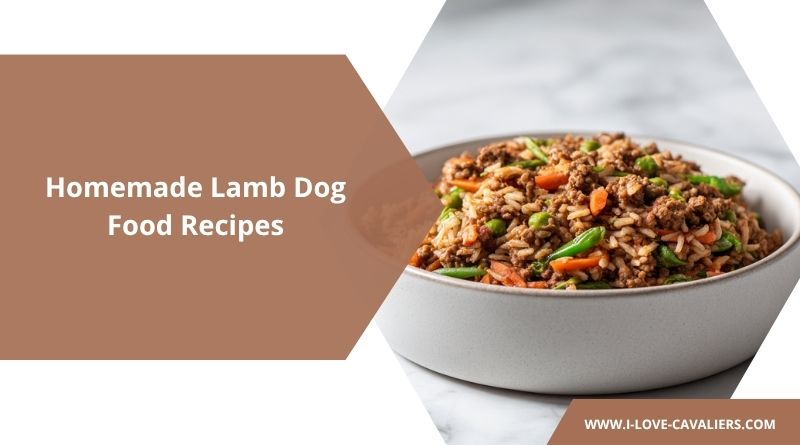
The first time I cooked lamb for Snickers was an accident. I’d bought a pack of ground lamb for a shepherd’s pie I was making for myself, used most of it, and had about half a pound left sitting in the fridge. I didn’t want to waste it. Snickers was due for dinner. So I cooked it up with some rice and carrots, let it cool, and put it in his bowl.
He didn’t eat it. He inhaled it. Head down, tail going, bowl licked so clean it looked like it had just come out of the dishwasher. Then he sat down, stared at me, and did the slow blink. The one that means “that was the best thing that has ever happened to me and I need you to do it again immediately.”
I’d been rotating chicken and beef for months. Turkey sometimes. But lamb was different. The smell hit the kitchen the second it touched the pan, and Snickers was glued to the floor beside me the entire time it cooked. He’d never done that with chicken.
Since then, lamb has become a regular part of his rotation. It’s pricier than chicken or turkey, I won’t pretend otherwise. But it’s not as expensive as people think, especially if you buy ground lamb on sale or go with shoulder cuts. And for dogs with chicken or beef sensitivities, lamb is often the protein that finally works.
Why Lamb Works So Well for Dogs
Lamb isn’t the most common protein in homemade dog food, which is actually one of its biggest advantages. Here’s why it’s worth adding to your rotation.
- It’s a novel protein for most dogs. If your dog has been eating chicken and beef their whole life, their immune system has had constant exposure to those proteins. Dogs with food sensitivities often do better on a protein they haven’t been eating regularly. Lamb fits that category for most pets.
- It’s naturally higher in fat than chicken or turkey. That sounds like a negative, but for active dogs or underweight dogs, the extra fat is a benefit. It also makes the food more flavorful, which is why picky eaters tend to go for lamb without hesitation.
- It’s rich in iron and zinc. Lamb has more iron per serving than chicken and more zinc than most other common proteins. Both of these are important for immune function and coat health.
- Dogs just love the taste. I don’t have a scientific explanation for this one. Snickers will eat chicken happily. He’ll eat beef with enthusiasm. But lamb makes him act like he’s never been fed before in his life. Every single time.
The only real downside is cost. Ground lamb runs about $6 to $8 per pound depending on where you shop. That’s roughly double what ground turkey costs. But each batch makes a full week of food, so the per-day cost still comes in under most premium kibble brands. If you’re curious about the math, our cost breakdown of homemade vs. kibble shows exactly how it compares.
Recipe 1: Ground Lamb & Rice With Vegetables
This is the everyday recipe. One pot, about 40 minutes, and it makes enough food to last Snickers nearly a week. It’s the recipe I started with after that accidental lamb dinner, just refined a bit over time. The rice soaks up all the lamb drippings, which means nothing gets wasted and the whole batch tastes richer than a chicken or turkey version ever could.
Ingredients
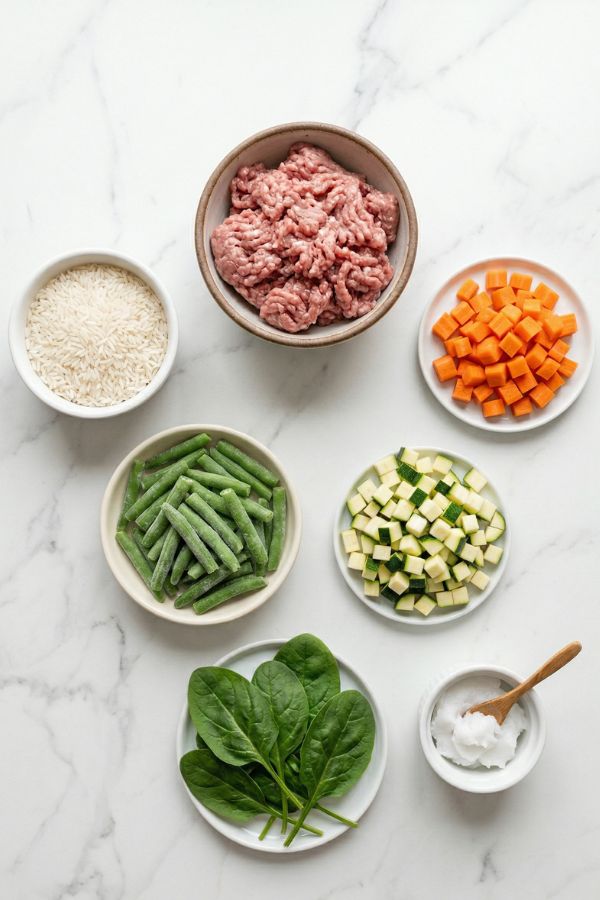
| Ingredient | Amount | Approx. Cost |
|---|---|---|
| Ground lamb | 1.5 lbs | $8.50 |
| White rice (uncooked) | 1.5 cups | $0.35 |
| Carrots | 2 medium, diced | $0.40 |
| Frozen green beans | 1 cup | $0.65 |
| Zucchini | 1 small, diced | $0.50 |
| Fresh spinach | 1 cup, roughly chopped | $0.45 |
| Coconut oil | 1 tablespoon | $0.15 |
| Calcium supplement | Per package directions | $0.15/day |
| Water | 4 cups | Free |
| Total | ~$11.00 + supplement |
Ground lamb varies a lot in fat content. Look for something around 80/20 if you can find it. Fattier grinds (like 73/27) will work, but you’ll want to drain off about a tablespoon of excess fat after browning. Leaner grinds dry out the batch.
Step-by-Step Instructions
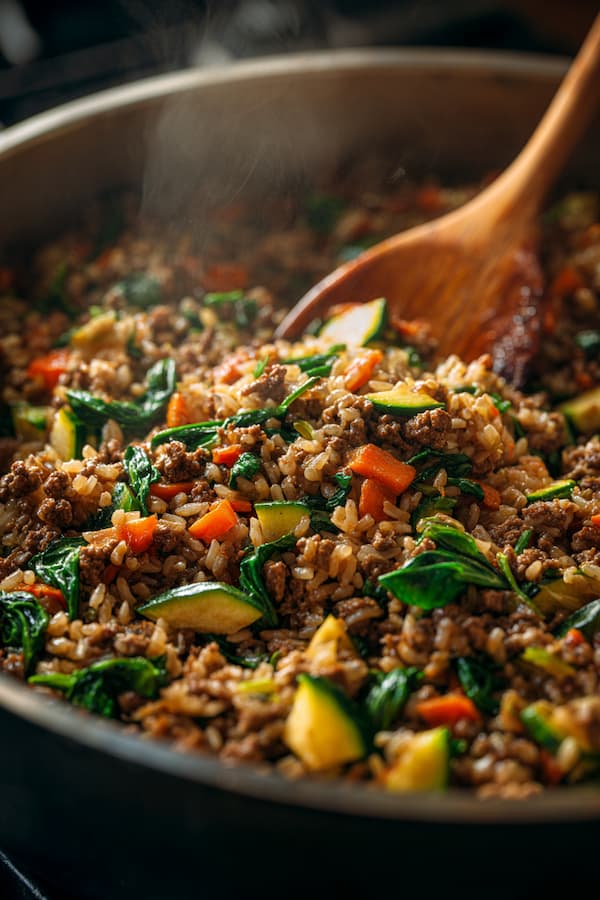
Step 1: Brown the Ground Lamb
Add the ground lamb to a large pot over medium heat. Break it apart with a wooden spoon as it cooks, working it into small, even crumbles. This takes about 8 minutes. The kitchen will start smelling like a Sunday roast almost immediately. Snickers will appear.
If the lamb rendered a lot of fat (a visible pool at the bottom), spoon out about half of it. Leave the rest. That fat is where most of the flavor lives, and your dog needs those calories.
Step 2: Add the Rice and Carrots
Toss in the uncooked rice and diced carrots. Pour in 4 cups of water and stir everything together. The rice will absorb the lamb broth as it cooks, which is what gives this recipe its depth of flavor compared to plain boiled rice.
Bring to a boil, then drop the heat to low. Cover and let it simmer for 18 minutes. Don’t lift the lid during this time. The steam does the work.
Step 3: Add the Remaining Vegetables
Remove the lid. The rice should have absorbed most of the liquid by now. Stir in the diced zucchini, frozen green beans, and chopped spinach. Put the lid back on and cook for another 4 minutes. The spinach will wilt down to almost nothing and the green beans will soften without turning to mush.
Step 4: Finish With Coconut Oil
Turn off the heat. Add the coconut oil and stir it through. The final consistency should be thick and slightly sticky. Not soupy, not dry. If it looks too wet, leave the lid off for a few minutes and it’ll tighten up as the rice continues absorbing liquid. If it’s too thick, stir in a splash of warm water.
Step 5: Cool and Portion
Spread the batch on a sheet pan or large baking dish to cool. Don’t seal warm food in containers. I’ve ruined a batch that way before, ended up with condensation that made it spoil two days early. Once it’s at room temperature, portion into daily containers.

Storage
Fridge for up to 5 days in airtight containers. Freezer for up to 3 months. This batch makes roughly 9 cups, which covers about 6 days for Snickers. I prep on Sunday evenings while watching something on TV. The whole thing runs in the background.
Serving Guidelines
| Dog Weight | Daily Amount | Meals Per Day |
|---|---|---|
| 10 lbs | 1 cup | Split into 2 |
| 15 lbs | 1.5 cups | Split into 2 |
| 20 lbs | 1.75 cups | Split into 2 |
| 25 lbs | 2 cups | Split into 2 |
| 30 lbs | 2.25 cups | Split into 2 |
Lamb is higher in calories than chicken, so if your dog is prone to weight gain, start at the lower end and adjust after two weeks. Active dogs can handle the full amount without issue.
That covers the simple version. Now here’s the one for when you want to go a step further.
Recipe 2: Slow-Simmered Lamb, Rice & Pumpkin Stew
This is the weekend recipe. It takes longer because you’re simmering lamb shoulder pieces low and slow instead of browning ground meat, but the trade-off is a richer, thicker stew that Snickers treats like a five-star meal. The pumpkin adds fiber and helps with digestion, and it gives the whole batch a golden color that honestly looks better than some things I cook for myself.
Lamb shoulder is one of the cheaper cuts and it gets incredibly tender when simmered. If your grocery store doesn’t have it pre-cut, ask the butcher to cut a shoulder piece into chunks. They’ll do it for free.
Ingredients

| Ingredient | Amount | Approx. Cost |
|---|---|---|
| Lamb shoulder, bone-in or boneless, cubed | 1.5 lbs | $7.80 |
| White rice (uncooked) | 1.5 cups | $0.35 |
| Canned pumpkin (pure, not pie filling) | 1/2 cup | $0.90 |
| Carrots | 2 medium, diced | $0.40 |
| Frozen peas | 3/4 cup | $0.50 |
| Fresh parsley | 1 tablespoon, chopped | $0.15 |
| Turmeric powder | 1/4 teaspoon | $0.05 |
| Salmon oil | 1 tablespoon | $0.30 |
| Calcium supplement | Per package directions | $0.15/day |
| Water | 6 cups | Free |
| Total | ~$10.45 + supplement |
If using bone-in shoulder, you’ll remove the bones after cooking. Never feed cooked lamb bones to your dog. They splinter just like chicken bones. Boneless is easier but costs about $1 more per pound.
Step-by-Step Instructions

Step 1: Simmer the Lamb
Place the lamb chunks in a large pot and cover with 6 cups of water. Bring to a boil, then immediately reduce to a low simmer. Skim the foam and scum that floats to the top during the first 5 minutes. This is normal with lamb and removing it keeps the broth cleaner.
Let the lamb simmer gently for 35 to 40 minutes. The meat should be tender enough to pull apart with a fork. If you’re using bone-in pieces, the meat will start separating from the bone on its own when it’s ready.
Step 2: Remove and Shred the Lamb
Pull the lamb pieces out with a slotted spoon and set them on a cutting board. Keep all the broth in the pot. That liquid is packed with flavor and nutrients.
Once the lamb is cool enough to handle, shred it into small pieces with two forks. If there are bones, remove and discard every single one. Check twice. Lamb bones tend to be smaller than you’d expect, and they hide in the shredded meat.
Step 3: Cook the Rice and Carrots in the Broth
Add the uncooked rice and diced carrots to the lamb broth. Stir once, bring to a simmer, cover, and cook for 18 minutes. The rice will soak up the broth and turn a light golden color from the lamb fat. This is where the magic happens. Rice cooked in lamb broth versus rice cooked in water is not even the same food.
Step 4: Stir in the Pumpkin and Peas
Add the canned pumpkin and frozen peas to the pot. Stir well. The pumpkin thickens the stew and gives it body. Cook uncovered for another 4 minutes, stirring occasionally, until the peas are heated through and the pumpkin is fully incorporated.
Step 5: Add the Lamb Back In
Return all the shredded lamb to the pot. Add the turmeric and chopped parsley. Stir everything together over low heat for about 2 minutes. The turmeric is a mild anti-inflammatory that pairs well with lamb, and the parsley adds a small hit of vitamins plus it freshens dog breath. Not that Snickers cares about his breath. But I do.
Step 6: Finish With Salmon Oil
Turn off the heat. Drizzle in the salmon oil and give the pot a final stir. The consistency should be thick, like a hearty chili. Dense enough to hold its shape on a spoon. If it’s too thick, add warm water a tablespoon at a time. Too thin, leave it uncovered for 5 minutes.
Step 7: Cool and Store
Spread the stew on a sheet pan or leave it in the pot with the lid off until it reaches room temperature. Then portion into daily containers. This batch makes roughly 10 to 11 cups, which lasts Snickers about a week.

Storage
Fridge for up to 5 days. Freezer for up to 3 months. The pumpkin acts as a natural thickener that holds the texture together after freezing, so this recipe thaws better than most. I keep 4 days in the fridge and freeze the rest in labeled bags with the date.
Serving Guidelines
| Dog Weight | Daily Amount | Meals Per Day |
|---|---|---|
| 10 lbs | 0.75 cups | Split into 2 |
| 15 lbs | 1.25 cups | Split into 2 |
| 20 lbs | 1.5 cups | Split into 2 |
| 25 lbs | 1.75 cups | Split into 2 |
| 30 lbs | 2 cups | Split into 2 |
Portions are slightly smaller than Recipe 1 because the lamb shoulder has more fat and the pumpkin adds caloric density. If your dog leaves food in the bowl consistently, you’re probably giving too much. Drop by 2 tablespoons and see if they finish.
Picking the Right Lamb Cut
You don’t need to buy premium lamb to make good dog food. Here’s a quick breakdown of what works and what’s not worth the money.
| Cut | Price Range (per lb) | Best For | Notes |
|---|---|---|---|
| Ground lamb | $6-$8 | Recipe 1 (quick meals) | Most convenient. Look for 80/20 fat ratio. |
| Lamb shoulder | $5-$7 | Recipe 2 (slow-simmered) | Cheapest cut. Gets very tender when simmered. |
| Lamb stew meat | $7-$9 | Either recipe | Pre-cut chunks. Saves prep time. |
| Lamb leg | $8-$10 | Not recommended | Too lean for dog food. Dries out. |
| Lamb loin chops | $12-$15 | Not recommended | Way too expensive. Save these for yourself. |
The sweet spot is ground lamb for the everyday recipe and shoulder for the stew. Both are usually the cheapest options at any grocery store. If you see either one on sale, buy extra and freeze it. Lamb goes on sale less often than chicken or beef, so grab it when the price drops.
Keeping Lamb Affordable
Lamb is the most expensive common protein for homemade dog food. That’s a fact. But there are ways to keep it reasonable.
- Buy the family-size ground lamb packs. They’re almost always cheaper per pound than the smaller trays. I buy the 3-pound packs and split them into two batches.
- Ask the butcher for shoulder trimmings. Some stores sell lamb scraps or shoulder trim for $3 to $4 per pound. It’s not pretty, but it shreds the same after simmering.
- Rotate lamb with cheaper proteins. I don’t feed lamb every week. Snickers gets lamb once or twice a month, with chicken and turkey filling the other weeks. The variety is actually better for him nutritionally, and it keeps my grocery bill in check. Our Ollie copycat recipes use chicken and beef as the base proteins if you need more rotation ideas.
- Watch for holiday sales. Lamb prices drop around Easter and sometimes before Ramadan depending on your area. I stock up and fill the freezer.
Even at full price, the daily cost of these recipes runs about $1.50 to $1.80 per day for a 15-pound dog. That’s less than what most premium kibble brands charge, and it’s a fraction of what fresh food delivery services cost.
FAQs
Can I mix lamb with chicken or beef in the same recipe?
You can, but if you’re using lamb specifically to test for protein sensitivities, keep it solo. For dogs with no allergy concerns, mixing proteins is totally fine and gives a broader nutrient profile. I sometimes use half lamb and half turkey to stretch the batch and lower the cost.
White rice or brown rice for lamb recipes?
I use white rice with lamb because it cooks faster and has a milder flavor that lets the lamb shine. Brown rice works too if your dog digests it well, but add 10 minutes to the rice cooking time and use an extra half cup of water. Either way, rice is a great pair with lamb because it absorbs all the drippings and broth.
Can puppies eat lamb?
Puppies over 12 weeks old can eat lamb. Their portions should be smaller and more frequent (3 to 4 meals per day instead of 2). Lamb’s higher fat content actually works well for growing puppies who need more calories per bite. Check our puppy recipe guide for specific portion adjustments by age and weight.
I’m a dog owner who spends more time in the kitchen than I probably should, but I’m not a veterinarian or certified animal nutritionist. Lamb is a great protein for most dogs, but if your dog has specific health conditions like pancreatitis or kidney issues, check with your vet before adding a higher-fat protein to their diet.
Happy cooking for your pup!