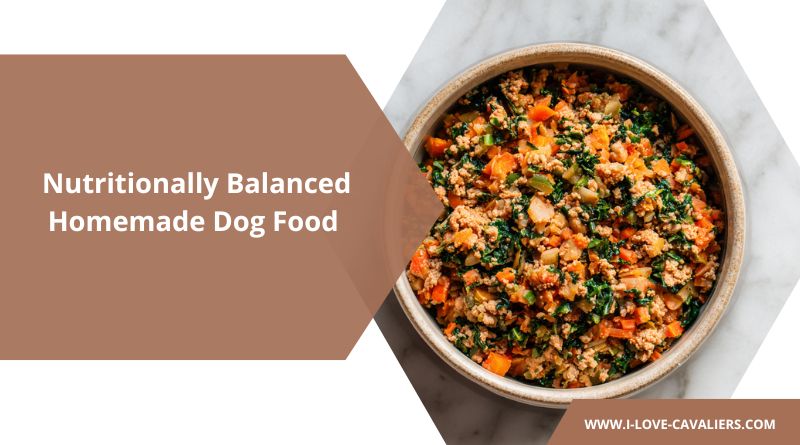
In my house, there’s this ongoing game my kids invented – every time we make a new recipe, they have to give it a “creative” name. And by creative, I mean absolutely ridiculous.
It started with pancakes (“Fluff Circles”), then spaghetti (“Wormy Wonders”), and somehow it’s evolved into naming our homemade dog food and treats too.
The latest addition? This recipe. They call it Nutriscinostly. Don’t ask.
I think it was supposed to be “nutritionally,” but after a few giggles and one too many tongue twisters, the name just stuck. And funny enough, Snickers actually perks up when he hears it (like he knows it’s his special meal?)
So yes, go ahead and laugh, but once you see how simple, balanced, and genuinely healthy this recipe is… you might find yourself saying “Nutriscinostly” too. Let me show you why it’s become a household favorite around here.
Why Make Homemade Dog Food?
Better Digestive Health
Many dogs experience fewer stomach issues, less gas, and firmer stools when switched to homemade food. The gentle, natural ingredients are easier on sensitive digestive systems.
Improved Energy and Coat Quality
Fresh protein sources and nutrient-rich vegetables provide bioavailable nutrition that often results in shinier coats, brighter eyes, and increased energy levels within just a few weeks.
Perfect for Dogs with Allergies
If your dog has food sensitivities or allergies, homemade food lets you eliminate problematic ingredients while ensuring they still get complete nutrition.
Nutritionally Balanced Homemade Dog Food Recipe
Protein and Fat Sources
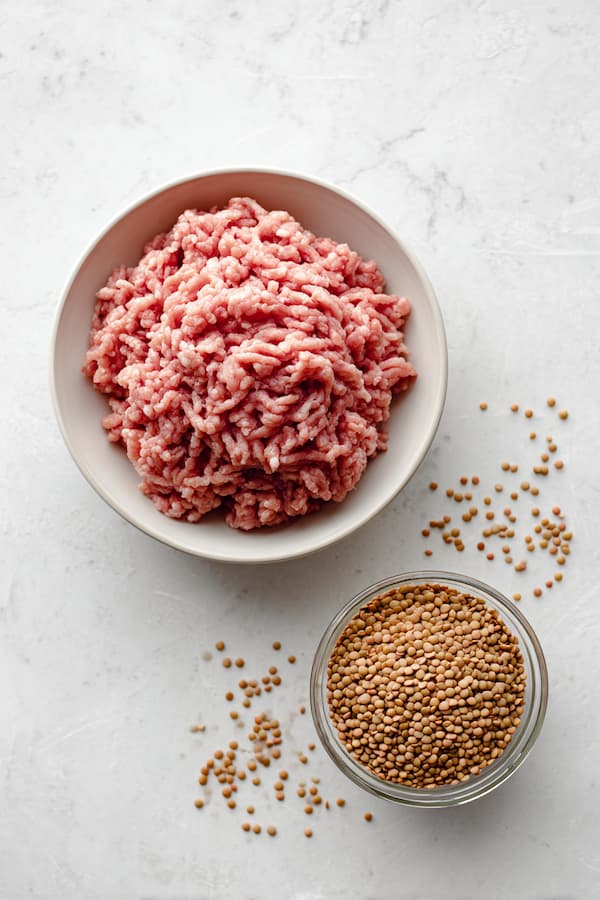
| Ingredient | Amount |
|---|---|
| Ground turkey | 2 lbs |
| Lentils (dry) | 1⅓ cups |
Carbs, Fiber, Vitamins & Minerals
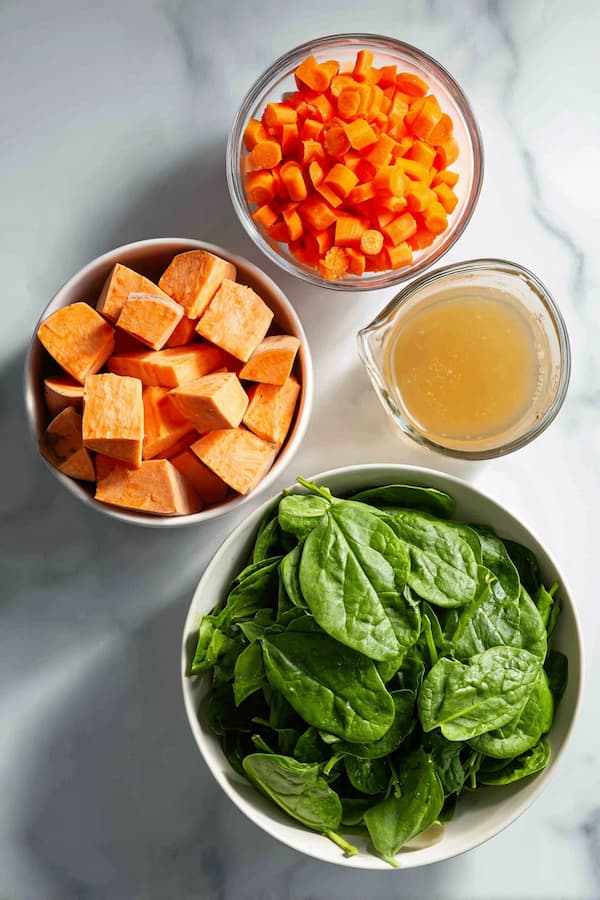
| Ingredient | Amount |
|---|---|
| Small-medium carrots, chopped | 2 |
| Baby spinach | 5 oz |
| Medium-large sweet potato, peeled and chopped | 1 |
| Water or bone broth | 3 cups |
Ingredient Notes
Ground turkey – Opt for ground turkey with some fat content (85-90% lean) rather than extra lean. Dogs need healthy fats for energy and nutrient absorption. You can substitute ground chicken if preferred.
Lentils – Use brown or green lentils, which hold their shape better during cooking. Red lentils work too but will create a softer, mushier texture.
Bone broth – Homemade or store-bought bone broth adds extra nutrients and flavor. If using store-bought, choose low-sodium varieties without onions or garlic, which are toxic to dogs.
Step-by-Step Instructions
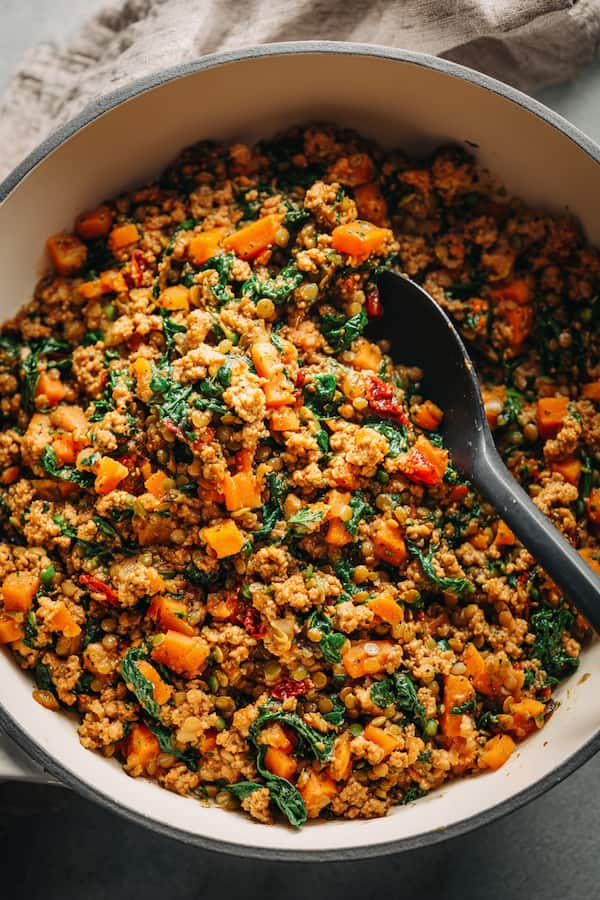

Step 1: Start Your Lentils
Add the dry lentils and water (or bone broth) to a medium saucepan. Bring to a rolling boil over high heat, then reduce to low, cover with a lid, and let simmer. The lentils will take approximately 20-25 minutes to fully cook and absorb the liquid. Check occasionally and add a splash more water if needed.
Step 2: Prep Your Vegetables
While the lentils are cooking, peel and chop your sweet potato into chunks. Chop the carrots into pieces. Add both the carrots and sweet potato to a food processor and pulse 5-7 times until they’re broken down into small, rice-sized pieces. This helps them cook faster and makes them easier for your dog to digest. Set aside.
Step 3: Brown Your Turkey
Heat a large pot or Dutch oven over medium-high heat. Add the ground turkey, breaking it apart with a wooden spoon or spatula. Cook for 8-10 minutes, stirring frequently and breaking up any large chunks, until the meat is fully cooked through with no pink remaining. The turkey will release some moisture—that’s normal and adds flavor to the final dish.
Step 4: Cook Your Vegetables
Add the processed carrots and sweet potato to the pot with the cooked turkey. Toss in the baby spinach on top. Stir everything together and cook for 5-7 minutes until the vegetables begin to soften and the spinach wilts down. If the mixture seems dry or starts sticking to the pot, drizzle in a small amount of olive oil (about 1 tablespoon) to keep everything moving.
Step 5: Combine Everything
Once your lentils are tender and have absorbed all the liquid, add them to the pot with the turkey and vegetables. Stir thoroughly to distribute everything evenly. The mixture should be moist but not soupy. If it seems too dry, add a splash of water or bone broth.
Step 6: Cool and Portion
Remove from heat and let the mixture cool completely before serving or storing. Hot food can create condensation in storage containers, leading to spoilage. Divide into daily portions based on your dog’s needs.
Storage Tips for Freshness
Short-Term (Up to 7 Days)
Transfer cooled food into airtight containers and refrigerate immediately. Glass containers or BPA-free plastic work well. Portion into daily servings to make feeding time easier throughout the week.
Long-Term (Up to 3 Months)
- Freezer Method
Divide the food into individual portions using freezer-safe bags or containers. Squeeze out excess air from bags to prevent freezer burn. Label each container with the date prepared.
- Thawing Instructions
Move a container from freezer to refrigerator the night before you need it. It will thaw safely overnight and be ready to serve the next day.
- Quick Thaw Option
If you forget to thaw overnight, place the sealed container in a bowl of cool water for 30-40 minutes, changing the water halfway through.
Feeding Guidelines and Important Considerations
Portion Sizes Vary By Dog: Every dog’s nutritional needs are different based on size, age, activity level, and metabolism. A 10-pound Chihuahua and a 70-pound Labrador obviously need very different amounts.
Always consult your veterinarian to determine the correct portion size for your specific dog.
Transitioning from Kibble: If you’re switching your dog to homemade food, don’t do it overnight. This can cause digestive upset. Instead, transition gradually over 7-14 days:
- Days 1-3: 75% kibble, 25% homemade
- Days 4-6: 50% kibble, 50% homemade
- Days 7-9: 25% kibble, 75% homemade
- Day 10+: 100% homemade
Watch for any signs of digestive issues during the transition and slow down if needed.
Supplements Are Essential: Homemade dog food, while nutritious, may not provide every vitamin and mineral your dog needs in optimal amounts. Talk to your veterinarian about adding a quality canine multivitamin or specific supplements like calcium, omega-3 fatty acids, or vitamin E to ensure complete nutrition.
Frequently Asked Questions
Can I substitute the turkey for another protein?
Absolutely! You can use ground chicken and keep the protein amount the same (2 pounds).
My dog doesn’t like lentils. What can I use instead?
You can substitute cooked brown rice, quinoa, or even oatmeal. These provide similar carbohydrates and fiber. Maintain roughly the same volume when substituting.
How do I know if my dog is getting proper nutrition?
Regular vet checkups are the anawer. Your vet can run blood work to check for any nutritional deficiencies and make recommendations.
Final Thoughts
Aaand that’s it. Simple, real, and made with love. No fancy tricks. No mystery ingredients. Just good food for good dogs. I hope this recipe makes your life a little easier and your dog’s day a whole lot better.
Because there’s nothing quite like watching them dig in, tail wagging, eyes bright, completely living in that happy little moment. Here’s to full bowls, clean plates, and the quiet satisfaction of knowing you did something good today.