
A few years ago, one of my closest friends went through what every dog parent dreads: her sweet golden retriever, Milo, developed allergies seemingly overnight.
One week he was his playful, happy self; the next, he couldn’t stop scratching, licking his paws raw, and waking her up at 2 a.m. with that heartbreaking sound of constant chewing.
She tried everything. Switching foods, changing detergents, endless vet visits. It was exhausting (for both of them).
That experience opened my eyes to how common *and frustrating* dog allergies really are. Seeing Milo finally find relief through a mix of vet guidance and gentle, natural care made me realize how powerful small changes can be.
Allergies can steal our four-legged friends’ joy and comfort. But with the right approach, you can absolutely help them feel better.
In this guide, I’ll break down everything I’ve learned about what triggers allergies in dogs, how to recognize the signs early, and the most effective natural remedies you can try at home to soothe your pup’s skin and restore their comfort.
Key takeaways:
- Identify what’s triggering your dog’s allergies (environmental, food, or flea)
- Start with gentle natural remedies like oatmeal baths or coconut oil
- Maintain consistent grooming and cleaning routines
- Be patient. Natural remedies often take days or weeks to show full effects
- Monitor symptoms and adjust treatment as needed
- Don’t hesitate to consult your veterinarian for persistent or severe cases
What Are Dogs Allergic To?
Just like humans, dogs can develop allergic reactions to various substances in their environment, food, or from pests. Understanding what’s causing the problem is the first step toward effective treatment.
1. Environmental Allergies
2. Food Allergies
3. Flea Allergies
Environmental Allergies
Environmental allergies (also called atopic dermatitis) are triggered by airborne substances that dogs inhale or that contact their skin. These are among the most common allergies affecting dogs.
Common environmental allergens include:
- Pollen: From trees, grass, weeds, and flowers—seasonal allergies typically worsen in spring and fall
- Dust mites: Microscopic creatures living in carpets, bedding, and upholstery
- Mold spores: Found in damp areas both indoors and outdoors
- Dander: From other animals or even human skin flakes
What makes environmental allergies tricky: They’re often seasonal, meaning your dog might be fine for months then suddenly start showing symptoms when pollen counts rise. Some dogs develop year-round allergies if they’re sensitive to indoor allergens like dust mites.
Food Allergies
Food allergies occur when a dog’s immune system mistakenly identifies certain proteins or ingredients as threats. Unlike environmental allergies, food allergies persist year-round and can develop at any age, even to foods your dog has eaten without problems for years.
Common food allergens for dogs:
- Proteins: Beef, chicken, lamb, dairy products, eggs
- Grains: Wheat, corn, soy
- Additives: Artificial colors, preservatives, flavorings
Important distinction: True food allergies are different from food intolerances or sensitivities. Food allergies trigger immune responses causing skin issues, while intolerances typically cause digestive problems like vomiting or diarrhea.
How they develop: Dogs can suddenly become allergic to ingredients they’ve eaten their whole lives. The immune system changes over time, and repeated exposure can eventually trigger allergic responses.
Flea Allergies
Flea allergy dermatitis (FAD) is actually an allergic reaction to proteins in flea saliva, not the fleas themselves. It’s one of the most common and most miserable allergies dogs experience.
How it works: When a flea bites, it injects saliva into the skin. For allergic dogs, even a single flea bite can trigger intense itching that lasts for days or weeks.
Why it’s so severe: Non-allergic dogs might experience mild irritation from flea bites, but allergic dogs have extreme reactions. One flea bite can cause inflammation across large areas of the body.
The challenge: You might not even see fleas on your dog. They can jump off after feeding, leaving behind an allergic dog suffering from just a few bites. Flea dirt (tiny black specks that turn red when wet) is often the only visible evidence.
What Are the Symptoms of Allergies in Dogs?
Spotting allergy symptoms early helps you bring your dog relief fast. Though signs vary, most allergic dogs show some mix of the following:
#1 Skin Symptoms
- Itching and irritation: Constant scratching, licking paws until red, or chewing skin (can cause hot spots).
- Skin changes: Redness, rashes, dry or oily patches, bad odor.
- Hair loss: Bald spots, thinning coat, or broken hairs.
#2 Ear Problems
Common with environmental allergies: red or inflamed ears, brown/yellow discharge, foul odor, head shaking, or pain when touched.
#3 Respiratory Signs (Less Common)
Sneezing, coughing, watery eyes, or runny nose.
#4 Digestive Symptoms (Usually Food Allergies)
Vomiting, diarrhea, gas, or frequent bowel movements.
#5 Behavioral Changes
Discomfort can cause restlessness, irritability, low appetite, lethargy, or trouble sleeping.
When to see a veterinarian: If symptoms are severe, persist despite home treatment, or your dog develops secondary infections (hot spots, skin lesions, severe ear infections), professional medical care is necessary. Natural remedies work best for mild to moderate symptoms or as complementary treatments alongside veterinary care.
Natural Remedies for Dog Allergies
Natural remedies can provide significant relief for allergic dogs, either as standalone treatments for mild cases or as supplements to veterinary care for more severe allergies. These approaches use gentle, accessible ingredients to soothe symptoms and support healing.
1. Chamomile
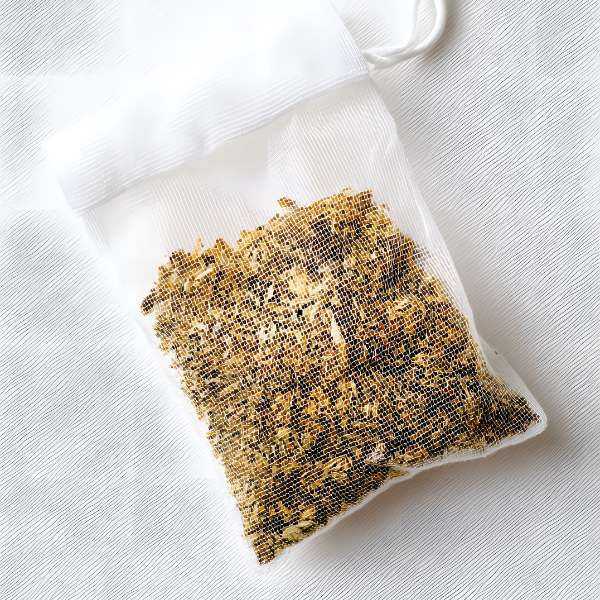
How it works: Chamomile is a gentle herb with powerful anti-inflammatory and soothing properties. It calms irritated skin, reduces inflammation, and provides comfort to itchy dogs.
Chamomile tea rinse method:
- Brew strong chamomile tea using 4-6 tea bags in 2 cups of boiling water
- Let steep for 15-20 minutes to extract maximum beneficial compounds
- Remove tea bags and allow the tea to cool completely
- After your dog’s regular bath, pour the cooled chamomile tea over their coat
- Focus on irritated, inflamed areas—paws, belly, armpits
- Gently massage the tea into the skin
- Let it sit for 5-10 minutes
- Rinse with cool water or leave on for continued soothing effects
Benefits: This remedy provides instant cooling relief for hot, inflamed skin while helping reduce redness and swelling. It’s safe and gentle enough for regular use, and the light, calming scent can even help soothe anxious or uncomfortable dogs.
Tips: Always use organic chamomile tea to avoid pesticide residue. You can apply it two to three times a week, and any leftover tea can be stored in the refrigerator for up to three days. Using it chilled enhances the soothing, cooling effect.
2. Coconut Oil
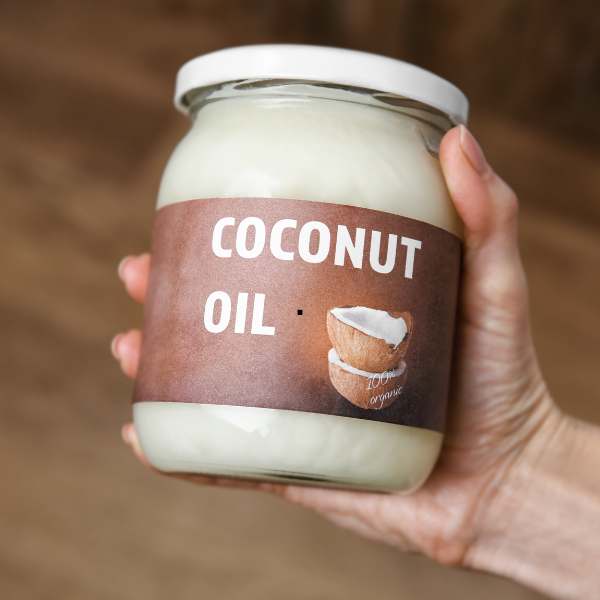
How it works: Coconut oil contains natural antibacterial and antifungal properties that help prevent secondary infections while moisturizing dry, irritated skin. It improves overall skin and coat health.
Topical application method:
- Start with a small amount (about a teaspoon for medium-sized dogs)
- Warm the oil between your hands until it liquefies
- Gently massage into affected areas—focus on red, inflamed spots
- Allow the oil to absorb for 15-20 minutes
- No need to rinse unless your dog’s fur becomes too oily
Dietary supplementation method:
- Choose organic, unrefined, virgin coconut oil
- Start with small amounts to assess tolerance
- Small dogs (under 20 lbs): ¼ teaspoon daily
- Medium dogs (20-50 lbs): ½ to 1 teaspoon daily
- Large dogs (over 50 lbs): 1 tablespoon daily
- Mix into food or offer directly
- Gradually increase to recommended amount over a week
Benefits: Coconut oil helps soothe contact dermatitis and allergy-related skin irritation while forming a protective barrier on the skin. It also enhances coat shine, reduces dander, and is perfectly safe if your dog licks it off—most actually enjoy the taste. When added to meals, it can even support overall immune health.
Tips: For best results, apply coconut oil after bathing to help it absorb more effectively. Since it can make your dog’s fur greasy, focus on treating specific problem spots instead of coating the entire body. If you’re adding it to your dog’s diet, introduce it gradually to prevent digestive issues. Store at room temperature—it naturally solidifies below 76°F.
3. Apple Cider Vinegar

How it works: Apple cider vinegar has natural antibacterial and antifungal properties that help prevent infections while soothing itchy skin. It also acts as a natural pest repellent.
Apple cider vinegar spray recipe:
- Mix equal parts raw, unfiltered apple cider vinegar and water
- Pour mixture into a clean spray bottle
- Shake well before each use
- Spray directly onto itchy areas—paws, belly, armpits
- Avoid open wounds, cuts, or raw spots (will sting)
- No need to rinse off
- Can apply 1-2 times daily as needed
Benefits: Apple cider vinegar helps restore your dog’s natural skin pH balance while reducing itching and scratching. It also acts as a gentle, natural flea and tick repellent and helps prevent bacterial and fungal growth. Best of all, it’s affordable and easy to make at home.
Tips: Always choose raw, unfiltered apple cider vinegar labeled “with the mother” for the best results. Test it on a small patch of skin first to ensure your dog isn’t sensitive. For dogs with very delicate skin, dilute the mixture further—one part vinegar to two parts water. Avoid spraying the face directly; instead, apply it with a cloth. Store the spray in a cool spot and use within two weeks.
4. Aloe Vera

How it works: Aloe vera provides natural antibacterial, antifungal, and anti-inflammatory relief. Its cooling properties deliver instant comfort to itchy, inflamed skin.
Application method:
- Purchase pure aloe vera gel with minimal additives
- Apply a thin layer directly to affected areas
- Gently massage into skin
- Allow to absorb completely (usually 5-10 minutes)
- Reapply 2-3 times daily as needed
Benefits: Aloe vera forms a soothing protective layer over irritated skin, locking in moisture while keeping out dirt and other irritants. It provides instant cooling relief for hot, inflamed areas and helps speed up the healing of minor skin damage.
Tips: Use only 100% pure aloe vera gel or extract it directly from a fresh plant. Avoid any products containing alcohol, fragrances, or dyes, as these can cause irritation. For an extra cooling boost, keep the gel in the refrigerator. It works especially well on hot spots—just store it in a cool, dark place to preserve its potency.
Safety note: Aloe vera is for external use only. The gel is safe on skin, but if your dog ingests aloe, it can cause digestive upset.
5. Oatmeal

How it works: Oatmeal contains anti-inflammatory compounds called avenanthramides that provide immediate relief for itchy, irritated skin. Rich in proteins, vitamins, and minerals that nourish skin.
Oatmeal bath method:
- Grind 3 cups of plain, unflavored oatmeal in a blender until it becomes fine powder
- Fill bathtub with lukewarm water (not hot—heat increases itching)
- Add ground oatmeal to water while filling tub
- Stir water thoroughly until oatmeal dissolves
- Place your dog in the bath
- Gently pour oatmeal water over affected areas
- Let your dog soak for 10-20 minutes
- Massage oatmeal water into skin during soak
- Rinse thoroughly with clean lukewarm water
- Pat dry with soft towel (don’t rub)
Oatmeal paste for targeted treatment:
- Blend plain oatmeal into fine powder
- Mix with lukewarm water to form spreadable paste (consistency of thick peanut butter)
- Apply paste directly to affected areas—hot spots, rashes, inflamed patches
- Cover with a warm (not hot) damp towel
- Keep your dog still for 10 minutes (use treats and praise)
- Gently wipe away paste with damp cloth
- Pat area dry
- Can repeat up to 3 times daily
Benefits: An oatmeal bath provides quick relief from itching while leaving your dog’s coat soft, shiny, and smooth. It’s gentle enough for both puppies and senior dogs, helps reduce redness and inflammation, and can be used as often as needed. Plus, it’s an inexpensive and effective way to calm irritated skin naturally.
Tips: Always use plain, unflavored oatmeal without added sugars or flavorings. For convenience, you can buy pre-ground colloidal oatmeal from most pet stores. During allergy season, make oatmeal baths part of your dog’s weekly care routine, and pair them with a chamomile tea rinse for even greater soothing effects. Keep the bathwater lukewarm—never hot—to avoid further irritation.
Additional Natural Allergy Management Tips
Simple lifestyle habits can greatly reduce your dog’s allergy symptoms and keep them more comfortable year-round.
Bathing & Grooming
Bathe weekly during allergy season using a mild, hypoallergenic shampoo, focusing on paws, belly, and face. Brush daily to remove dander and pollen, and wipe paws after walks to prevent allergen buildup.
Clean Living Space
Vacuum often, use HEPA air purifiers, and wash your dog’s bedding weekly in hot water with fragrance-free detergent. Keep humidity moderate and floors clean to reduce dust mites and mold.
Smart Outdoor Time
Walk early morning or evening when pollen counts are low, and wipe your dog’s coat and paws afterward. On high pollen days, opt for indoor play.
Healthy Diet
Feed a balanced, high-quality diet with omega-3s for skin and immune health. Avoid artificial ingredients and consult your vet before major diet changes.
Allergen Avoidance
Identify and limit exposure to known triggers—use natural cleaners, remove allergenic plants, and maintain allergen-free areas inside your home.
When to Seek Veterinary Care
While natural remedies effectively manage mild to moderate allergy symptoms, some situations require professional medical attention.
See your veterinarian if:
- Symptoms persist or worsen despite home treatment
- Your dog develops secondary infections (hot spots, oozing wounds)
- Severe scratching causes bleeding or hair loss
- Your dog seems in significant pain
- Ear infections develop (red, smelly, painful ears)
- Your dog’s behavior changes dramatically
- Allergies interfere with eating, sleeping, or daily activities
- You suspect food allergies (requires elimination diet protocol)