
When we first brought Bentley home (our very first family dog) I’ll be honest, I didn’t know much about feeding a dog beyond the basics.
He wagged his tail, ate his kibble, and seemed happy. Simple. At least that’s what I thought back then.
But later in Bentley’s life, things started to change. His coat looked dull. His joints didn’t move like they used to. He just wasn’t the same. That’s when I began digging deeper, spending late nights reading articles, asking vets more questions, and realizing just how much nutrition really matters.
And one thing kept coming up over and over again: omega-3s. They weren’t just some fancy add-on, they were essential.
Now, with Snickers, I get to do things differently. Smarter. Better. His meals aren’t just food; they’re fuel for a shinier coat, stronger joints, and a happier, healthier life.
What You Need to Know About Omega-3 Fatty Acids for Dogs
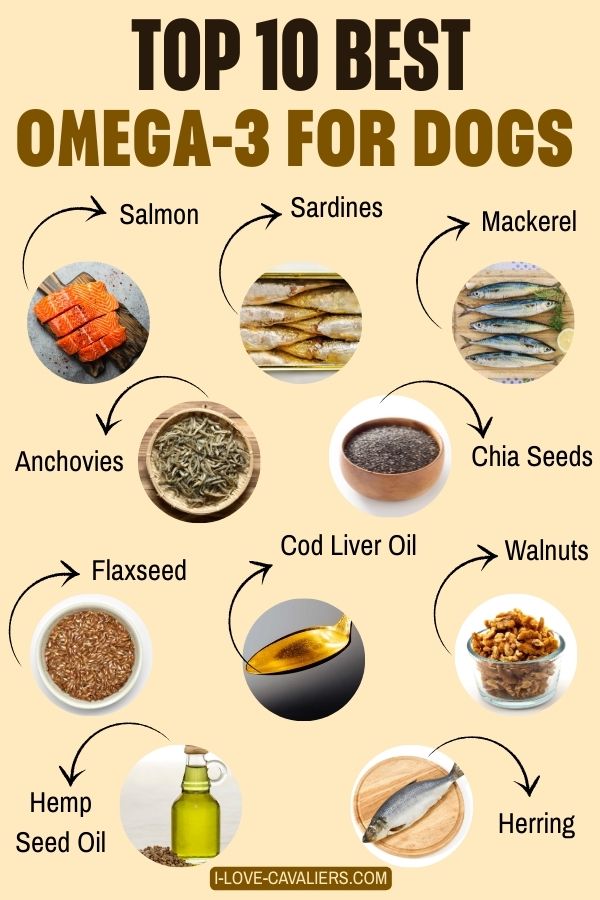
The Three Key Types
EPA (Eicosapentaenoic Acid): EPA is an anti-inflammatory fatty acid found in fish and fish oils, which can help promote blood flow and slow blood clotting. This powerhouse fatty acid is particularly beneficial for joint health and reducing inflammation throughout the body.
DHA (Docosahexaenoic Acid): DHA is one of the most important fatty acids for dogs since it helps the brain and eyes develop. DHA, a component in omega-3 fatty acid, aids in the proper brain and eye development of puppies. DHA may also improve cognitive function in older dogs dealing with canine cognitive dysfunction.
ALA (Alpha-Linolenic Acid): Found in plant sources, ALA serves as a precursor to EPA and DHA, though the results suggest that preformed marine EPA and DHA sources are needed in dog feeds, as the dietary requirements are not met with conversion from equal dosage of the short‐chain omega‐3 PUFA precursor, ALA from flaxseed oil.
The Best Omega-3 Sources for Dogs
1. Salmon

Nutritional Profile: Rich in EPA and DHA, high-quality protein, vitamin D, and B vitamins. Wild-caught salmon typically contains higher omega-3 levels than farmed varieties.
Health Benefits:
- Coat Enhancement: EPA and DHA directly contribute to skin cell health, resulting in a lustrous, soft coat
- Anti-Inflammatory Power: Reduces inflammation in joints, skin, and throughout the body
- Brain Health Support: DHA supports cognitive function and may help prevent age-related mental decline
- Heart Protection: DHA and EPA have been shown to reduce the occurrence of ventricular arrhythmias, a common issue in various cardiac diseases. Their benefit is the stabilization of heart muscle cell membranes, this stabilization helps to prevent irregular heartbeats.
Serving Guidelines: Offer cooked, boneless salmon 2-3 times per week. Small dogs: 1-2 oz, medium dogs: 2-3 oz, large dogs: 3-4 oz. Always remove bones and avoid seasoning.
2. Sardines

Nutritional Profile: Extremely high in EPA and DHA, plus calcium from edible bones, vitamin D, and CoQ10. Low mercury content makes them safer than larger fish.
Health Benefits:
- Maximum Omega-3 Density: Sardines contain some of the highest omega-3 concentrations of any fish
- Bone Health: Soft, edible bones provide natural calcium and phosphorus
- Low Mercury Risk: Small fish accumulate fewer toxins than larger predatory fish
- Immune Support: Supplements of omega-3 fatty acids (rich in EPA and DHA) have positive effects on the immune system of your dog.
Serving Guidelines: Choose sardines packed in water (never oil or sauce). Small dogs: 1/2 sardine, medium dogs: 1 sardine, large dogs: 1-2 sardines, 2-3 times per week.
3. Mackerel

Nutritional Profile: High in EPA and DHA, vitamin B12, selenium, and protein. These oily fish are also high in DHA and EPA, though they should be served in moderation due to their fat content.
Health Benefits:
- Joint Health: EPA specifically targets joint inflammation and mobility issues
- Skin Condition: Helps resolve dry, flaky, or irritated skin conditions
- Energy Support: B vitamins support cellular energy production
- Antioxidant Protection: Selenium works as a powerful antioxidant
Serving Guidelines: Serve cooked, boneless mackerel in moderation due to high fat content. Small dogs: 1 oz weekly, medium dogs: 1.5 oz weekly, large dogs: 2 oz weekly.
4. Anchovies

Nutritional Profile: Concentrated EPA and DHA, plus calcium, iron, magnesium, and vitamin B12. Very low mercury content due to small size.
Health Benefits:
- Coat Shine Enhancement: High omega-3 concentration directly improves coat luster and texture
- Cardiovascular Support: Supports healthy heart rhythm and circulation
- Bone Strength: Natural calcium content supports skeletal health
- Appetite Stimulation: Strong flavor can encourage eating in picky dogs
Serving Guidelines: Use whole anchovies packed in water or fresh. Small dogs: 1-2 anchovies, medium dogs: 2-3 anchovies, large dogs: 3-4 anchovies, 2-3 times per week.
5. Herring

Nutritional Profile: Rich in EPA and DHA, vitamin D, vitamin B12, and selenium. Similar nutrient profile to sardines with excellent bioavailability.
Health Benefits:
- Skin Barrier Function: Omega-3s strengthen the skin’s natural protective barrier
- Inflammatory Response: Helps regulate the body’s inflammatory responses
- Cognitive Support: DHA content supports brain health across all life stages
- Digestive Health: May help reduce inflammatory bowel conditions
Serving Guidelines: Serve cooked, deboned herring. Small dogs: 1 oz, medium dogs: 2 oz, large dogs: 3 oz, 2-3 times per week.
6. Chia Seeds
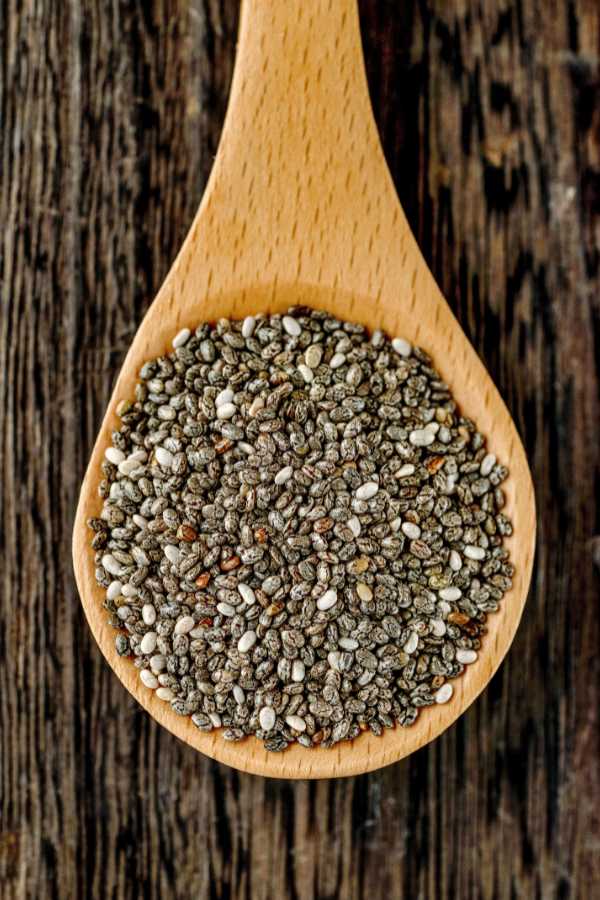
Nutritional Profile: High in ALA (plant-based omega-3), fiber, protein, calcium, and antioxidants. For pets on vegetarian or alternative diets, flaxseed or chia seeds provide alpha-linolenic acid (ALA), a precursor to EPA and DHA.
Health Benefits:
- Digestive Support: High fiber content promotes healthy gut bacteria
- Hydration Aid: Seeds absorb water, helping maintain hydration
- Antioxidant Power: Contains multiple antioxidants that fight free radicals
- Sustainable Option: Plant-based alternative for environmentally conscious pet parents
Serving Guidelines: Soak seeds before serving to improve digestibility. Small dogs: 1/4 teaspoon daily, medium dogs: 1/2 teaspoon daily, large dogs: 1 teaspoon daily.
7. Flaxseed

Nutritional Profile: Rich in ALA omega-3s, lignans, fiber, and protein. Contains beneficial plant compounds with antioxidant properties.
Health Benefits:
- Coat Conditioning: ALA helps maintain coat softness and reduces shedding
- Hormonal Balance: Lignans may help regulate hormone levels
- Digestive Regularity: High fiber promotes healthy bowel movements
- Anti-Cancer Properties: Lignans show potential protective effects against certain cancers
Serving Guidelines: Use freshly ground flaxseed for better absorption. Small dogs: 1/4 teaspoon daily, medium dogs: 1/2 teaspoon daily, large dogs: 1 teaspoon daily.
8. Cod Liver Oil

Nutritional Profile: EPA and DHA plus high levels of vitamin A and vitamin D. More concentrated than regular fish oil.
Health Benefits:
- Immune Enhancement: Vitamin A supports immune system function and skin health
- Bone Development: Vitamin D aids calcium absorption and bone formation
- Vision Support: Vitamin A is essential for proper eye function and night vision
- Wound Healing: Combined nutrients accelerate tissue repair processes
Serving Guidelines: Use pharmaceutical-grade cod liver oil. Small dogs: 1/4 teaspoon daily, medium dogs: 1/2 teaspoon daily, large dogs: 1 teaspoon daily. Monitor vitamin A intake to prevent toxicity.
9. Walnuts

Nutritional Profile: High in ALA omega-3s, vitamin E, magnesium, and healthy monounsaturated fats.
Health Benefits:
- Cognitive Function: ALA supports brain health and may improve learning ability
- Heart Health: Combination of omega-3s and vitamin E supports cardiovascular function
- Anti-Inflammatory: Natural compounds help reduce systemic inflammation
- Skin Health: Vitamin E acts as an antioxidant protecting skin cells
Serving Guidelines: Use sparingly due to high fat content. Remove shells completely. Small dogs: 1/4 walnut weekly, medium dogs: 1/2 walnut weekly, large dogs: 1 walnut weekly.
10. Hemp Seed Oil

Nutritional Profile: Contains ALA omega-3s plus omega-6 fatty acids in ideal ratios, gamma-linolenic acid (GLA), and vitamin E.
Health Benefits:
- Skin Condition Improvement: Balanced omega ratios help resolve skin allergies and irritation
- Coat Texture Enhancement: GLA specifically improves coat texture and reduces dryness
- Joint Support: Anti-inflammatory properties help maintain joint comfort
- Hormonal Balance: GLA helps regulate inflammatory responses and hormone production
Serving Guidelines: Use cold-pressed hemp seed oil. Small dogs: 1/4 teaspoon daily, medium dogs: 1/2 teaspoon daily, large dogs: 1 teaspoon daily.
Health Benefits of Omega-3 for Dogs
#1 Coat and Skin Health
One of the most commonly cited benefits of omega-6 and omega-3 fatty acids for dogs is an improvement in skin and coat health. Omega-3 fatty acids work at the cellular level to:
- Strengthen the skin barrier function
- Reduce excessive shedding and dandruff
- Add natural oils for coat shine and softness
- Resolve dry, itchy, or flaky skin conditions
#2 Anti-Inflammatory Effects
Omega-3s are natural anti-inflammatory compounds that help:
- Reduce joint pain and stiffness in arthritic dogs
- Research has shown that omega-3 fatty acids can help to treat canine arthritis and chronic kidney disease.
- Decrease skin inflammation and allergic reactions
- Support overall immune system balance
#3 Cognitive and Behavioral Benefits
Fish oils rich in omega-3 fatty acids (DHA and EPA) can help reduce anxiety due to the effect these acids have on neurotransmitters in the brain. They help to regulate dopamine and serotonin to induce relaxation and decrease symptoms of anxiety in dogs.
#4 Joint and Mobility Support
Supplementation significantly improved the Omega-3 Index in all dogs, pain scores in small and medium-sized dogs, and quality of life scores in smaller dogs.
What Are Some Signs of Omega-3 Deficiency in Dogs?
- Dull, dry, or brittle coat
- Excessive shedding or dandruff
- Dry, flaky, or irritated skin
- Poor wound healing
- Increased susceptibility to skin infections
- Joint stiffness or mobility issues