
When I first became a dog parent, I thought vegetables were just “extras” in a dog’s bowl, kind of like the side salad you push around your plate. But then I noticed something funny: my first dog, Bentley, would sit under the table and beg not for the meat, but for the crunchy carrots.
Snickers? He’ll sprint across the kitchen the second he hears a bag of peas hit the counter.
Vegetables aren’t just fillers (dummy me!), they’re powerhouses of vitamins, fiber, and antioxidants that can seriously boost your dog’s health.
The trick is knowing which ones are safe, which ones pack the most nutrition, and how much to serve without upsetting your pup’s stomach. That’s where this list comes in: 10 of the best, dog-approved veggies you can add to their bowl today.
The Top 10 Best Vegetables for Dogs
1. Carrots
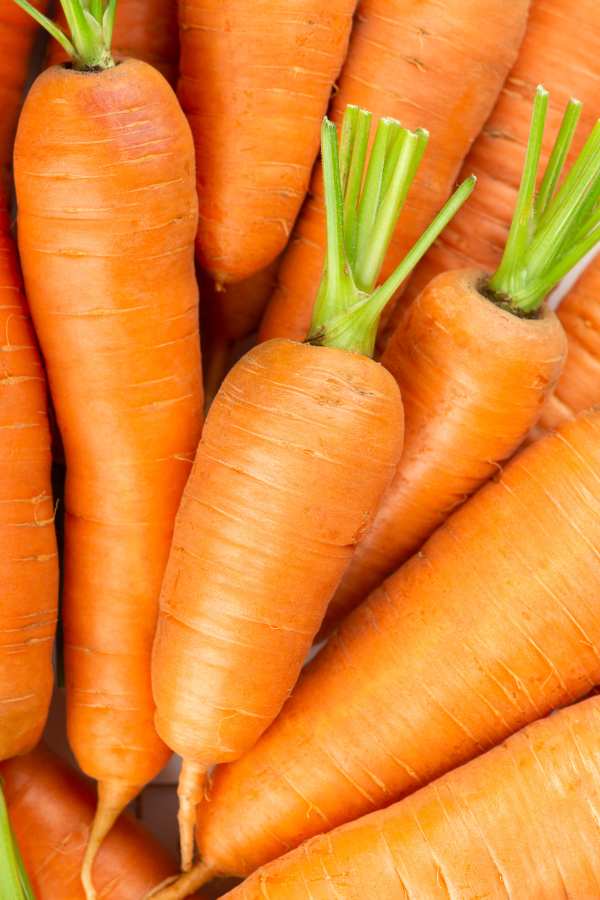
Nutritional Profile: Extremely rich in beta-carotene, which converts to vitamin A in the body. Also contains fiber, potassium, vitamin K, and natural sugars. Low in calories and fat-free.
Health Benefits:
- Eye Health Enhancement: Beta-carotene supports retinal function and may help prevent age-related vision problems
- Dental Health Support: Crunchy texture naturally helps clean teeth and massage gums
- Immune System Boost: Vitamin A strengthens immune function and supports healthy skin
- Weight Management: Low-calorie, high-fiber content promotes satiety without excess calories
Serving Guidelines: Offer raw baby carrots for small dogs (1/2 carrot), medium dogs (1 whole carrot), or large dogs (1-2 carrots). Can also be steamed and cut into bite-sized pieces for easier digestion.
2. Sweet Potatoes
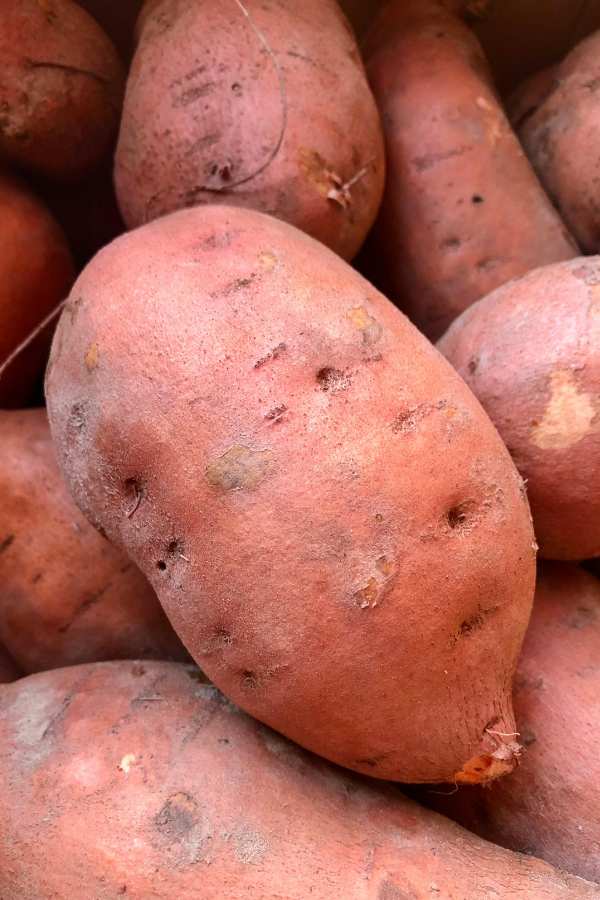
Nutritional Profile: Packed with beta-carotene, complex carbohydrates, fiber, potassium, vitamin C, and vitamin B6. Contains natural sugars and beneficial plant compounds.
Health Benefits:
- Sustained Energy Release: Complex carbohydrates provide steady, long-lasting energy
- Digestive Health: High fiber content supports healthy gut bacteria and regular bowel movements
- Anti-Inflammatory Properties: Beta-carotene and other antioxidants reduce inflammation throughout the body
- Muscle Function: Potassium supports proper muscle and heart function
Serving Guidelines: Always serve cooked (never raw) and without seasonings. Offer small cubes – 1-2 pieces for small dogs, 3-4 for medium dogs, and 5-6 for large dogs.
3. Green Beans
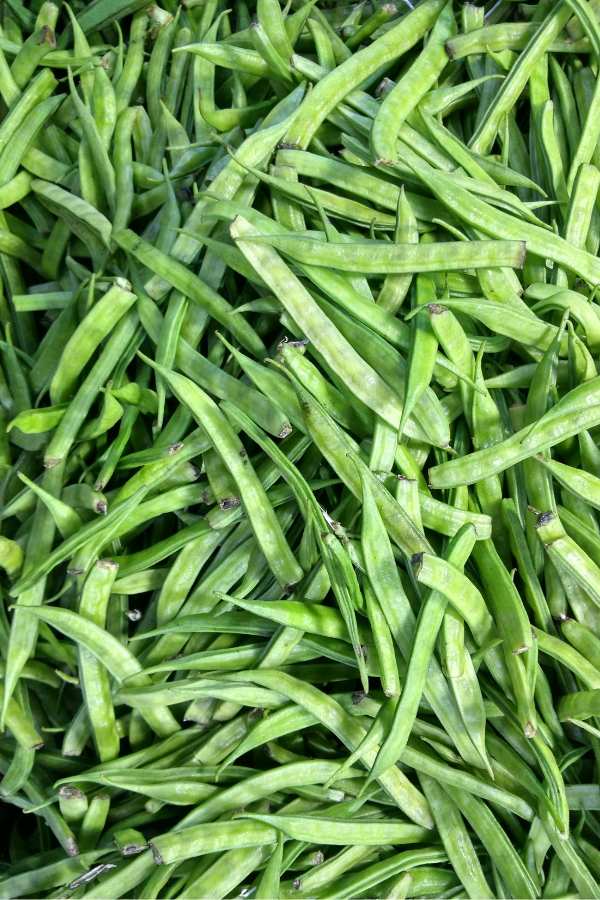
Nutritional Profile: Extremely low in calories while high in fiber, vitamin C, vitamin K, and manganese. Contains folate and beneficial plant compounds.
Health Benefits:
- Weight Control: Very low calorie content makes them ideal for overweight dogs
- Bone Health: Vitamin K supports proper bone formation and density
- Blood Clotting: Essential nutrients support healthy blood clotting mechanisms
- Digestive Support: High fiber promotes healthy digestion and gut motility
Serving Guidelines: Serve fresh, frozen (thawed), or canned (no salt added). Trim ends and cut into appropriate sizes – 3-4 beans for small dogs, 5-7 for medium dogs, and 8-10 for large dogs.
4. Broccoli
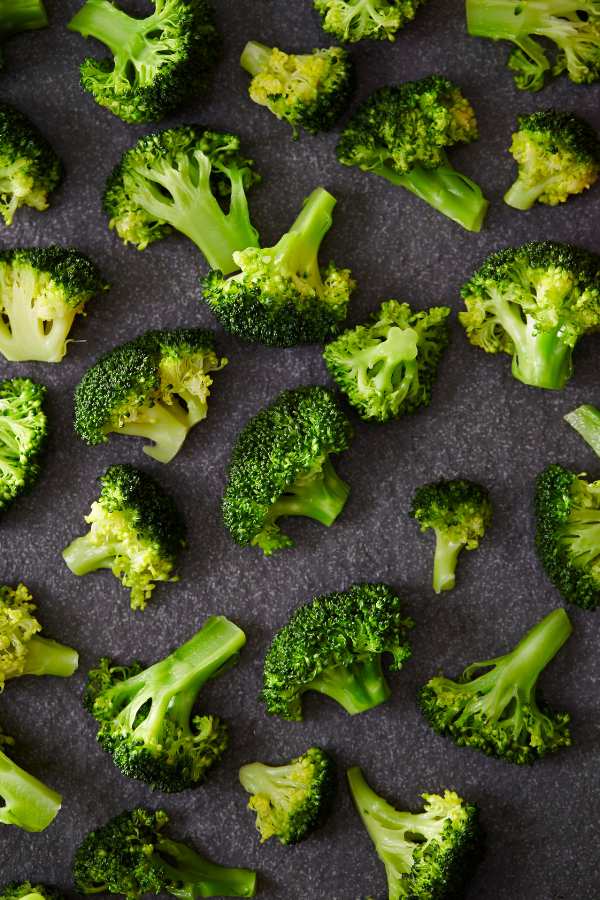
Nutritional Profile: Rich in vitamins C, K, and A, plus folate, fiber, and potent antioxidants including sulforaphane. Contains calcium and iron.
Health Benefits:
- Cancer Prevention: Sulforaphane compounds may help prevent certain types of cancer
- Immune System Support: High vitamin C content boosts immune function
- Bone Health: Vitamin K and calcium support strong bone development
- Detoxification: Natural compounds support liver detoxification processes
Serving Guidelines: Serve in small amounts (should not exceed 10% of diet due to potential digestive upset). Cut into small florets – 1-2 pieces for small dogs, 2-3 for medium dogs, and 3-4 for large dogs.
5. Peas
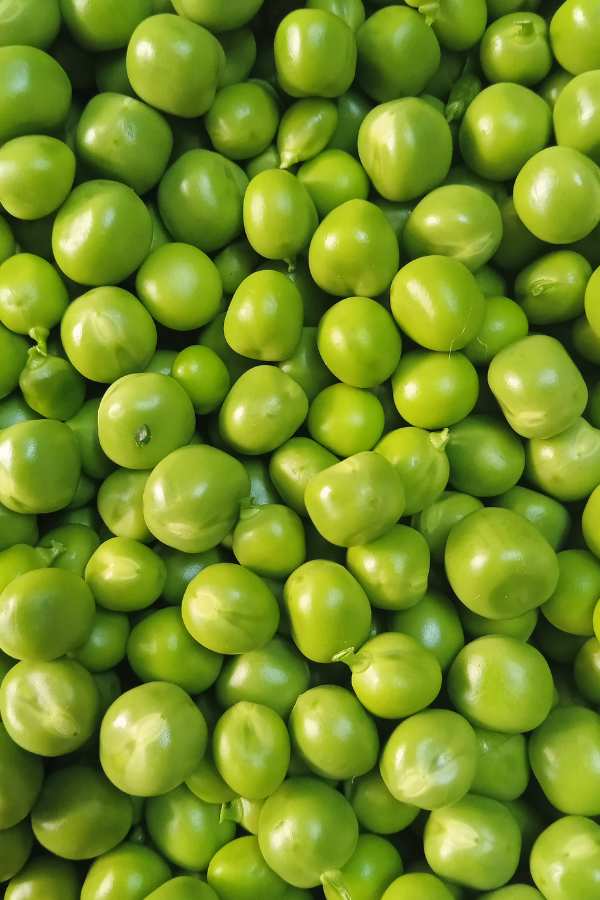
Nutritional Profile: Good source of plant protein, fiber, vitamins A, C, and K, plus thiamine and phosphorus. Contains natural sugars and beneficial plant compounds.
Health Benefits:
- Protein Supplementation: Provides additional plant-based protein to support muscle health
- Eye Health: Lutein and zeaxanthin support retinal health and vision
- Heart Health: Fiber helps regulate cholesterol levels
- Energy Support: Natural sugars provide quick energy when needed
Serving Guidelines: Fresh, frozen (thawed), or cooked peas work well. Avoid canned varieties with added salt. Offer 5-6 peas for small dogs, 8-10 for medium dogs, and 12-15 for large dogs.
6. Pumpkin

Nutritional Profile: High in fiber, beta-carotene, potassium, vitamin A, and vitamin C. Contains beneficial minerals like iron and magnesium.
Health Benefits:
- Digestive Regulation: Soluble fiber helps with both diarrhea and constipation
- Prostate Health: Studies suggest pumpkin seeds may support prostate health in male dogs
- Urinary Health: Natural compounds may support healthy urinary tract function
- Skin and Coat: Beta-carotene promotes healthy skin and shiny coat
Serving Guidelines: Use plain, cooked pumpkin (never pie filling). Start with 1 teaspoon for small dogs, 2 teaspoons for medium dogs, and 1 tablespoon for large dogs.
7. Spinach
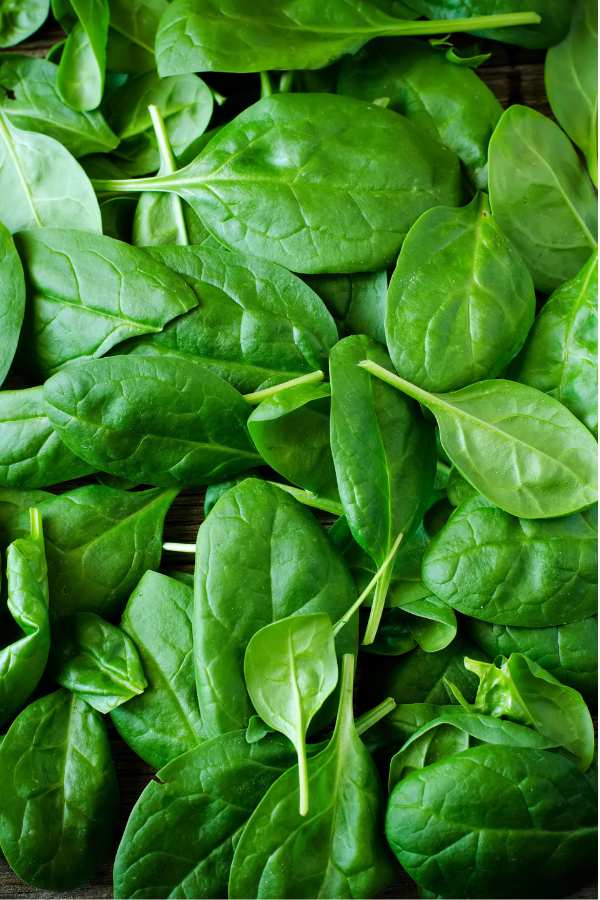
Nutritional Profile: Rich in iron, folate, vitamin K, vitamin A, and antioxidants. Contains nitrates and beneficial plant compounds.
Health Benefits:
- Blood Health: Iron supports healthy red blood cell production
- Bone Strength: Vitamin K aids in bone metabolism and strength
- Energy Production: Folate supports cellular energy production
- Antioxidant Protection: Multiple antioxidants fight free radical damage
Serving Guidelines: Use in moderation due to oxalates. Lightly steamed spinach is best – offer small amounts: 1-2 leaves for small dogs, 2-3 for medium dogs, and 3-4 for large dogs.
8. Brussels Sprouts
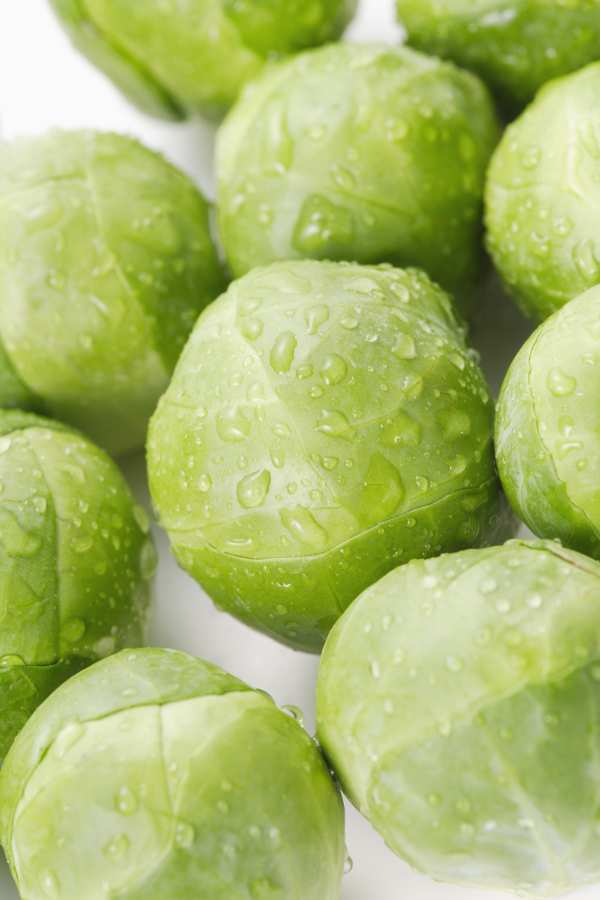
Nutritional Profile: Extremely high in vitamin K, vitamin C, and fiber. Contains folate, manganese, and powerful antioxidants.
Health Benefits:
- Bone Health: High vitamin K content supports bone density and strength
- Anti-Inflammatory: Natural compounds help reduce inflammation
- Digestive Health: High fiber content promotes healthy gut bacteria
- Immune Support: Vitamin C boosts immune system function
Serving Guidelines: Cook lightly to reduce potential for gas. Remove outer leaves and cut in half – offer 1/2 sprout for small dogs, 1 whole for medium dogs, and 1-2 for large dogs.
9. Zucchini

Nutritional Profile: High water content (over 90%) with vitamin C, potassium, and fiber. Very low in calories and contains beneficial antioxidants.
Health Benefits:
- Hydration Support: High water content helps maintain proper hydration
- Weight Management: Extremely low calorie content perfect for weight control
- Heart Health: Potassium supports cardiovascular function
- Skin Health: Vitamin C supports collagen production for healthy skin
Serving Guidelines: Can be served raw or lightly cooked. Remove seeds for easier digestion. Offer thin slices – 2-3 pieces for small dogs, 4-5 for medium dogs, and 6-8 for large dogs.
10. Cauliflower
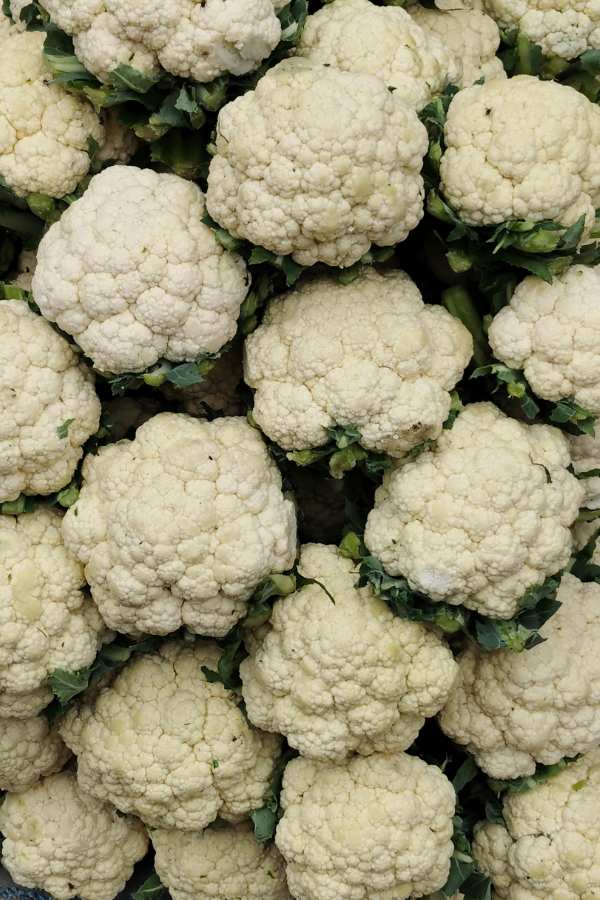
Nutritional Profile: Low in calories and carbohydrates while high in vitamin C, vitamin K, and fiber. Contains choline and antioxidants.
Health Benefits:
- Brain Health: Choline supports cognitive function and brain health
- Anti-Cancer Properties: Compounds may help prevent certain cancers
- Digestive Health: Fiber supports healthy gut bacteria and digestion
- Blood Sugar Control: Low glycemic index helps maintain stable blood sugar
Serving Guidelines: Steam lightly to improve digestibility. Cut into small florets – 1-2 pieces for small dogs, 2-3 for medium dogs, and 3-4 for large dogs.
Conclusion
So there you have it, 10 vegetables that prove “eat your greens” applies to dogs too. Some add crunch, some add sweetness, and all of them bring big-time benefits in small, tail-wagging portions.
Start with one or two, see which ones your pup loves, and build from there. Before long, you might even find your dog doing exactly what Bentley and Snickers do, ignoring the fancy stuff and waiting patiently for the veggies. Funny how the simplest foods often turn out to be the best.