
As loving pet parents, we often want to share our favorite foods with our furry companions. While many fruits can provide excellent nutritional benefits for dogs, others can be dangerous or even toxic.
Understanding which fruits are safe and beneficial versus those that should be avoided entirely is crucial for your dog’s health and wellbeing.
This comprehensive guide breaks down the best fruit choices for dogs, highlighting their nutritional benefits and proper serving methods, as well as the fruits that should never make it into your dog’s bowl.
The Best Fruits for Dogs
1. Blueberries – The Antioxidant Powerhouse
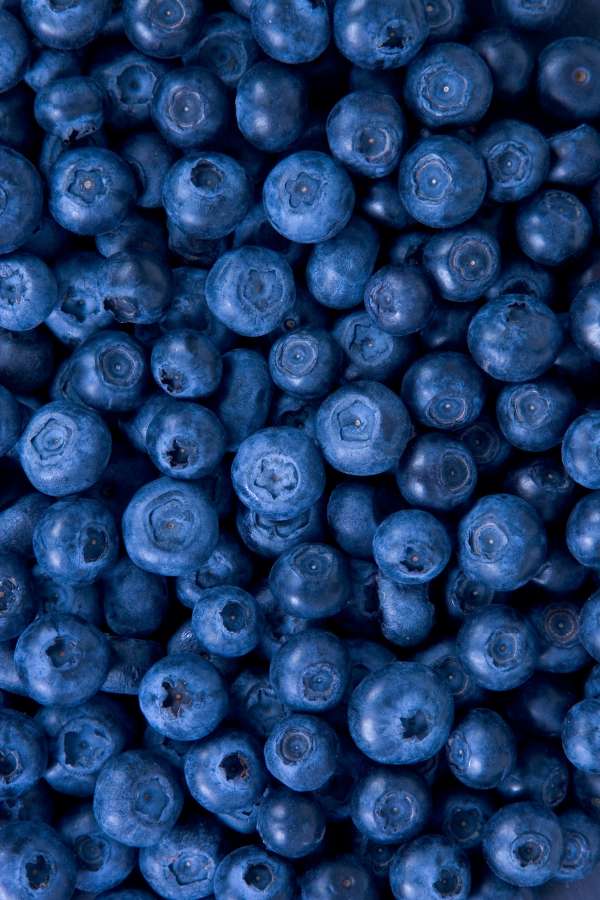
Nutritional Profile: Packed with anthocyanins, vitamin C, vitamin K, and fiber while remaining low in calories. These tiny berries contain more antioxidants per serving than almost any other fruit.
Health Benefits:
- Cognitive Support: Studies show blueberries may improve memory and cognitive function in aging dogs, potentially reducing symptoms of canine cognitive dysfunction
- Immune System Boost: High vitamin C content supports immune function and helps fight free radical damage
- Anti-Inflammatory Properties: Natural compounds help reduce inflammation throughout the body
- Eye Health: Anthocyanins support retinal health and may improve night vision
Serving Guidelines: Offer 2-3 blueberries for small dogs, 5-6 for medium dogs, and 8-10 for large dogs. Fresh or frozen (thawed) berries work well as training treats or meal toppers.
2. Watermelon – The Hydrating Summer Treat
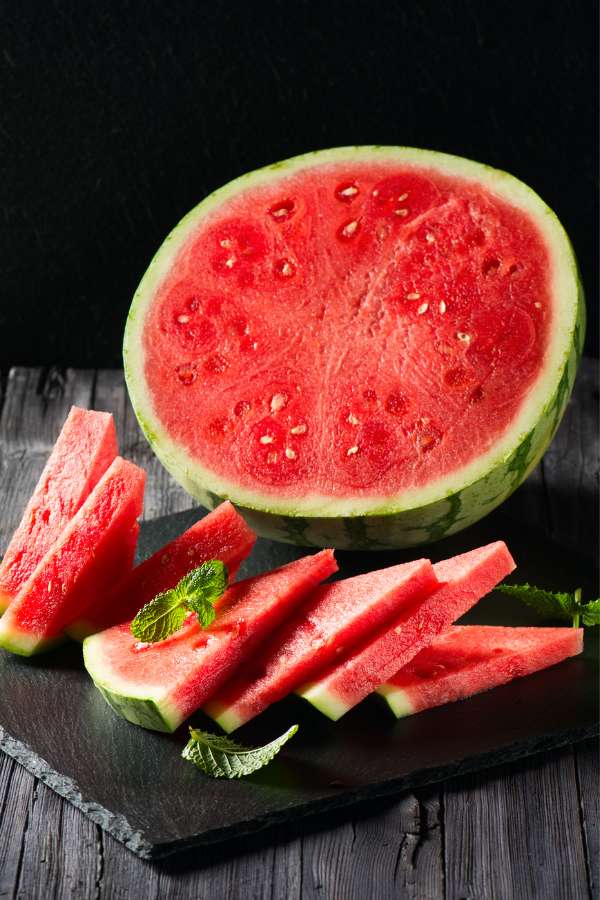
Nutritional Profile: Contains over 90% water, plus vitamin A, vitamin C, potassium, and lycopene. Extremely low in calories and naturally fat-free.
Health Benefits:
- Hydration Support: Excellent for keeping dogs hydrated during hot weather or after exercise
- Digestive Health: High water content and fiber support healthy digestion
- Heart Health: Lycopene and potassium contribute to cardiovascular function
- Weight Management: Low calorie content makes it ideal for overweight dogs
Serving Guidelines: Remove all seeds and rind before serving. Offer small cubes as treats – about 1-2 pieces for small dogs, 3-4 for medium dogs, and 5-6 for large dogs.
3. Pumpkin – The Digestive Champion

Nutritional Profile: Rich in beta-carotene, vitamin A, vitamin C, vitamin E, potassium, and fiber. Also contains beneficial minerals like iron and magnesium.
Health Benefits:
- Digestive Regulation: Soluble fiber helps with both diarrhea and constipation
- Weight Management: High fiber content promotes satiety while being low in calories
- Eye and Skin Health: Beta-carotene converts to vitamin A, supporting vision and coat health
- Immune Support: Multiple vitamins and antioxidants boost overall immune function
Serving Guidelines: Use plain, cooked pumpkin (not pie filling). Start with 1 teaspoon for small dogs, 2 teaspoons for medium dogs, and 1 tablespoon for large dogs.
4. Apples – The Crunchy Dental Helper

Nutritional Profile: High in fiber, vitamin A, vitamin C, and potassium. Contains natural sugars balanced with beneficial nutrients.
Health Benefits:
- Dental Health: Crunchy texture helps clean teeth and freshen breath naturally
- Digestive Support: Pectin fiber promotes healthy gut bacteria
- Antioxidant Protection: Quercetin and other compounds fight cellular damage
- Blood Sugar Regulation: Fiber helps slow sugar absorption
Serving Guidelines: Always remove seeds and core before serving. Offer thin slices – 1-2 slices for small dogs, 2-3 for medium dogs, and 3-4 for large dogs.
5. Strawberries – The Vitamin C Boost
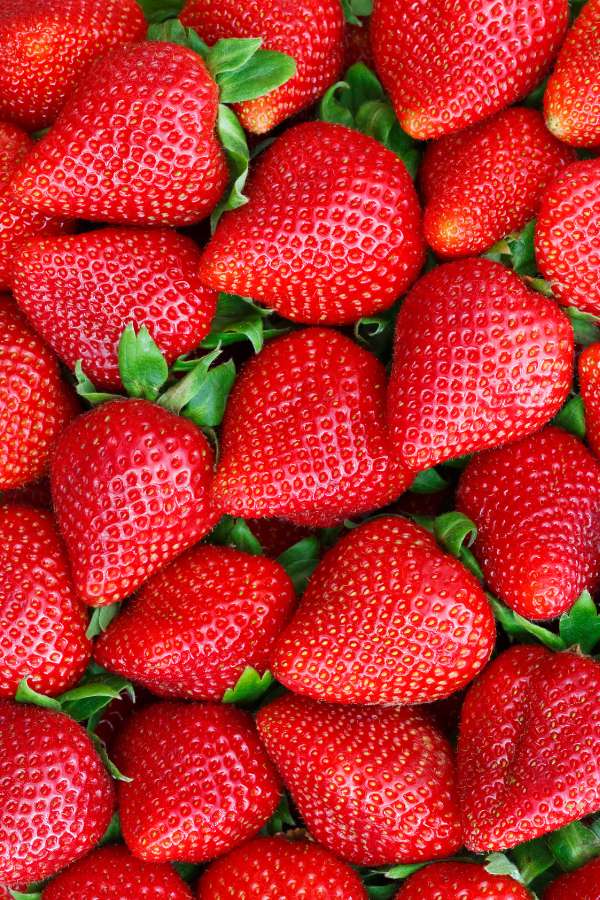
Nutritional Profile: Packed with vitamin C, manganese, folate, and potassium. High in natural enzymes and antioxidants.
Health Benefits:
- Immune System Enhancement: Extremely high vitamin C content supports immune function
- Dental Whitening: Natural enzymes may help whiten teeth over time
- Anti-Aging Properties: Antioxidants combat free radicals that contribute to aging
- Heart Health: Potassium supports cardiovascular function
Serving Guidelines: Remove green tops and cut into small pieces. Offer 1 small strawberry for small dogs, 1-2 for medium dogs, and 2-3 for large dogs.
6. Bananas – The Energy Provider

Nutritional Profile: Rich in potassium, vitamin B6, vitamin C, and natural sugars. High in fiber and prebiotics.
Health Benefits:
- Heart and Muscle Function: High potassium content supports cardiovascular and muscular health
- Energy Boost: Natural sugars provide quick, healthy energy
- Digestive Health: Prebiotics support beneficial gut bacteria
- Mood Support: Vitamin B6 aids in neurotransmitter production
Serving Guidelines: Due to high sugar content, use sparingly. Offer small slices – 2-3 pieces for small dogs, 4-5 for medium dogs, and 6-7 for large dogs.
7. Cranberries – The Urinary Tract Supporter
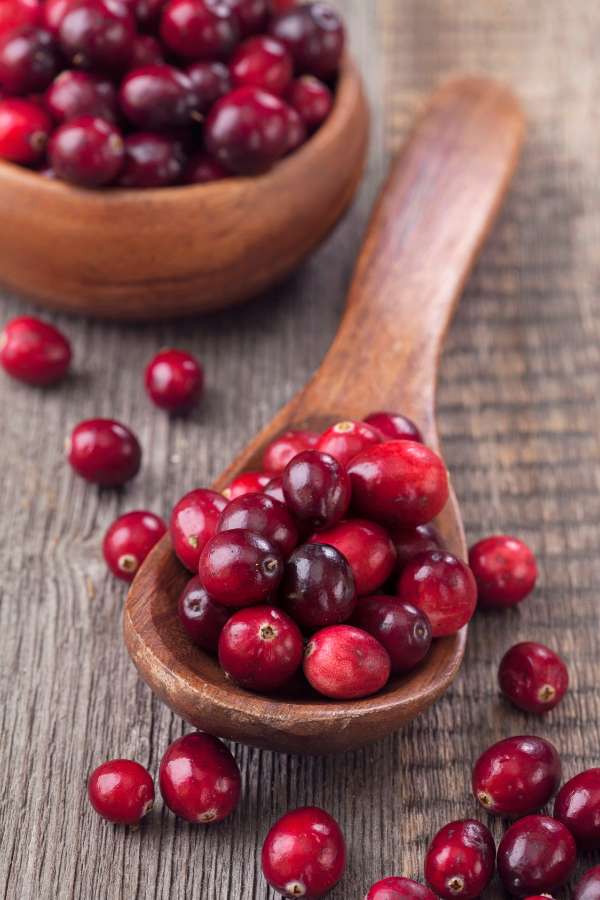
Nutritional Profile: Contains vitamin C, vitamin E, vitamin K, and manganese. Rich in proanthocyanidins and other beneficial compounds.
Health Benefits:
- Urinary Tract Health: Proanthocyanidins may help prevent urinary tract infections
- Antioxidant Power: High levels of antioxidants support overall health
- Anti-Inflammatory Effects: Natural compounds help reduce inflammation
- Dental Health: May help prevent bacteria buildup in the mouth
Serving Guidelines: Offer fresh cranberries only (avoid dried, sweetened versions). Give 1-2 cranberries for small dogs, 2-3 for medium dogs, and 3-4 for large dogs.
8. Kiwi – The Vitamin Powerhouse
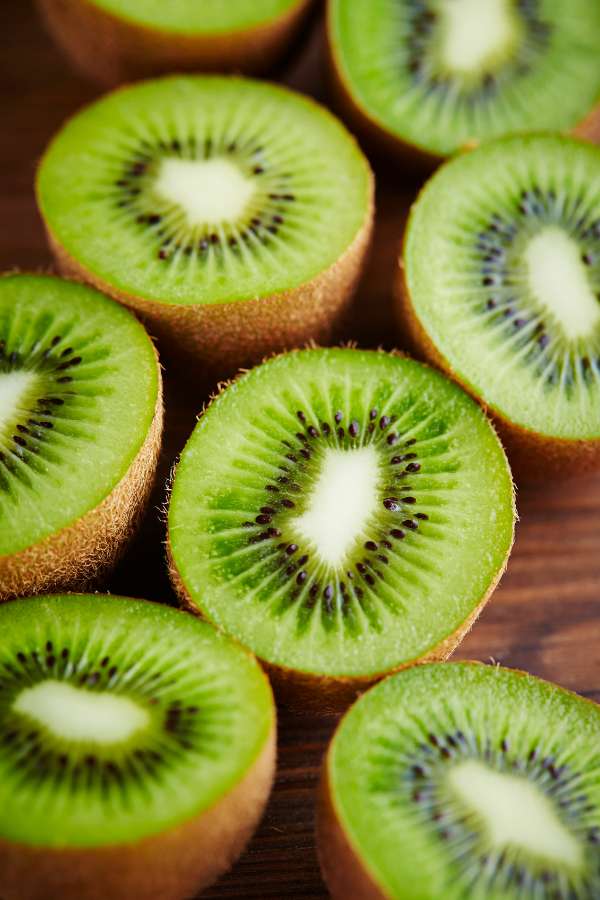
Nutritional Profile: Extremely high in vitamin C, vitamin K, vitamin E, and fiber. Contains potassium and folate.
Health Benefits:
- Immune System Boost: Contains more vitamin C than oranges
- Digestive Health: Actinidin enzyme aids in protein digestion
- Skin and Coat Health: Vitamin E supports healthy skin and shiny coat
- Antioxidant Protection: Multiple antioxidants fight cellular damage
Serving Guidelines: Remove skin and seeds before serving. Offer small pieces – 1-2 small pieces for small dogs, 2-3 for medium dogs, and 3-4 for large dogs.
9. Cucumbers – The Low-Calorie Crunch

Nutritional Profile: Over 95% water with vitamin K, vitamin C, and potassium. Extremely low in calories and sodium.
Health Benefits:
- Hydration Support: Excellent source of water, especially beneficial for senior dogs
- Weight Management: Virtually calorie-free, perfect for overweight dogs
- Fresh Breath: Natural compounds help freshen breath
- Joint Health: Silica content may support connective tissue health
Serving Guidelines: Remove seeds if large, though small seeds are generally safe. Offer thin slices – 2-3 pieces for small dogs, 4-5 for medium dogs, and 6-8 for large dogs.
10. Cantaloupe – The Beta-Carotene Boost

Nutritional Profile: High in beta-carotene, vitamin A, vitamin C, and potassium. Contains beneficial fiber and natural sugars.
Health Benefits:
- Eye Health: High beta-carotene content supports vision and eye health
- Immune Support: Vitamin A and C work together to boost immune function
- Hydration Aid: High water content helps maintain proper hydration
- Anti-Inflammatory Properties: Natural compounds help reduce inflammation
Serving Guidelines: Remove seeds and rind before serving. Offer small cubes – 1-2 pieces for small dogs, 2-3 for medium dogs, and 3-4 for large dogs.
Fruits to Avoid: The Dangerous Choices
1. Grapes and Raisins – The Silent Killers
Why They’re Dangerous: Grapes and raisins contain unknown compounds that cause acute kidney failure in dogs. Even small amounts can be fatal.
Toxic Effects:
- Kidney Damage: Rapid onset of kidney failure, often irreversible
- Gastrointestinal Distress: Vomiting and diarrhea within hours of consumption
- Neurological Symptoms: Lethargy, weakness, and loss of coordination
- Fatal Outcomes: Can lead to complete kidney shutdown and death
What to Do: If your dog consumes any amount of grapes or raisins, contact your veterinarian or pet poison control immediately. Do not wait for symptoms to appear – time is critical for treatment success.
2. Lemons and Limes – The Acidic Irritants
Why They’re Dangerous: High citric acid content and essential oils (limonene and linalool) can cause severe digestive upset and toxicity.
Toxic Effects:
- Gastrointestinal Irritation: Severe vomiting, diarrhea, and stomach pain
- Central Nervous System Depression: Lethargy, weakness, and coordination problems
- Skin and Eye Irritation: Direct contact can cause burns and irritation
- Photosensitivity: May increase sensitivity to sunlight, causing skin reactions
What to Do: Remove access to citrus fruits and contact your veterinarian if your dog shows any symptoms after exposure. Monitor for signs of distress and provide supportive care as directed.
3. Cherries – The Cyanide Carriers
Why They’re Dangerous: Cherry pits, stems, and leaves contain cyanogenic compounds that release cyanide when digested. The fruit flesh also contains these compounds in smaller amounts.
Toxic Effects:
- Cyanide Poisoning: Difficulty breathing, rapid heart rate, and bright red gums
- Gastrointestinal Blockage: Pits can cause intestinal obstruction requiring surgery
- Digestive Upset: Vomiting, diarrhea, and abdominal pain
- Respiratory Distress: Labored breathing and oxygen deprivation
What to Do: If your dog consumes cherries (especially pits), contact your veterinarian immediately. Watch for signs of breathing difficulty or distress, which require emergency treatment.
4. Wild Berries – The Unknown Dangers
Why They’re Dangerous: Many wild berries are toxic to dogs, and identification can be difficult. The risk of poisoning from unknown berry species is extremely high.
Potential Toxic Effects:
- Severe Gastrointestinal Distress: Violent vomiting and bloody diarrhea
- Neurological Symptoms: Seizures, tremors, and loss of consciousness
- Cardiovascular Problems: Irregular heartbeat and blood pressure changes
- Multi-Organ Failure: Some wild berries can cause liver, kidney, and heart damage
What to Do: Never allow your dog to consume wild berries during walks or hikes. If accidental consumption occurs, try to identify the berry type and contact your veterinarian immediately, even if no symptoms are present.
General Guidelines for Feeding Fruits to Dogs
Introduction Rules
- Start Small: Always introduce new fruits gradually, offering tiny amounts to test tolerance
- Monitor Reactions: Watch for any signs of digestive upset, allergic reactions, or changes in behavior
- Moderation is Key: Fruits should never exceed 10% of your dog’s daily caloric intake
Preparation Safety
- Always Wash: Rinse all fruits thoroughly to remove pesticides and bacteria
- Remove Hazards: Eliminate pits, seeds, stems, and tough rinds that could cause choking or blockages
- Fresh is Best: Avoid canned fruits with added sugars, artificial sweeteners, or preservatives
Special Considerations
- Diabetic Dogs: Consult your veterinarian before offering fruits high in natural sugars
- Overweight Dogs: Choose low-calorie options like cucumbers and watermelon
- Senior Dogs: Softer fruits may be easier to digest and chew
Conclusion
Fruits can be wonderful, healthy treats for dogs when chosen wisely and offered in appropriate amounts. The key is understanding which fruits provide genuine health benefits versus those that pose serious risks. By sticking to the safe options outlined in this guide and avoiding the dangerous fruits entirely, you can safely share these nutritious treats with your canine companion.
Remember that every dog is unique, and what works well for one may not suit another. Always consult with your veterinarian before making significant changes to your dog’s diet, especially if they have existing heal