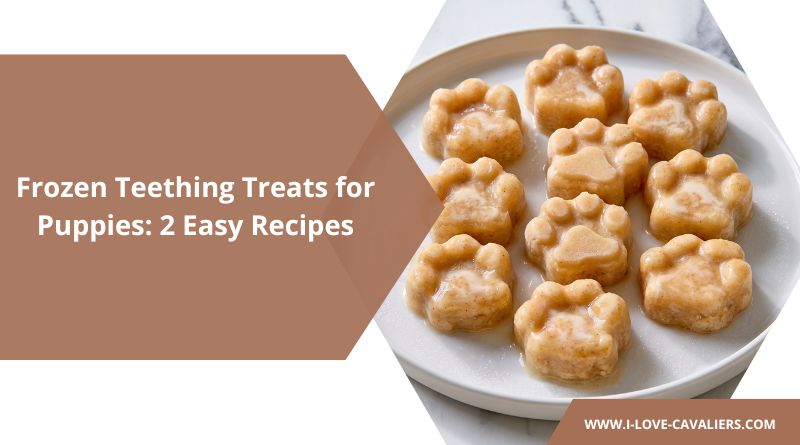
Snickers was ten weeks old the night he chewed a hole through the corner of my couch. Not a nibble. An actual crater, foam poking out like a wound. I found him at 2 a.m., ears flopped inside out, gnawing on the wood underneath the cushion like it owed him money.
I sat on the floor and watched him for a minute. He wasn’t being naughty. His mouth was working. Little jaw, little tongue, working at something invisible. My Cavalier had just hit the teething phase, and nothing in the house was safe anymore.
Rubber toys, rope, a bully stick. He’d chew for thirty seconds and then go right back to the couch. Turns out I was missing the one thing his gums actually wanted. Cold.
The next morning I made him his first frozen treat out of half a banana, a spoon of peanut butter, and a scoop of Greek yogurt. He worked on it for twenty minutes straight. The couch got a break. So did I.
Why Cold Actually Helps a Teething Puppy
Cold isn’t just a nice sensation for a teething puppy. It’s actually doing physical work on the gums. Here’s what’s happening under the surface.
- Numbs the nerves. Cold constricts blood vessels and dulls nerve endings, the same way an ice pack calms a sprained ankle.
- Reduces swelling. Teething inflames the gums. Cold pulls that swelling down and takes the edge off the ache.
- Doubles as hydration. Puppies often drink less when their mouths hurt. A frozen treat slips water in without them noticing.
- Triggers calm licking. The slow lick motion releases calming chemicals in the brain, so a frozen treat also settles a wound-up puppy.
Once you know cold is doing actual work (not just distraction), you stop feeling guilty about handing over treat after treat during a bad teething day.
Quick Pick: What to Give at Each Teething Stage
| Puppy Age | What’s Happening | Best Treat Texture |
|---|---|---|
| 3-12 weeks | Baby teeth erupting | Soft: frozen washcloth, yogurt lick mat |
| 12-16 weeks | Baby teeth falling out | Medium: frozen banana, pupsicles |
| 4-6 months | Adult molars pushing through | Firmer: frozen carrot sticks, broth cubes |
| 6+ months | Adult teeth settling in | Any of the above, still soothing |
If you’re only trying one thing tonight, start with the Peanut Butter Banana Pupsicles below.
Frozen Teething Treat Recipes for Puppies
Below are two of my favorite recipes.
Recipe #1: Peanut Butter Banana Pupsicles
This is the recipe I’ve made about forty times now. It uses stuff you probably already have. Prep takes less than ten minutes and the freezer does the rest.
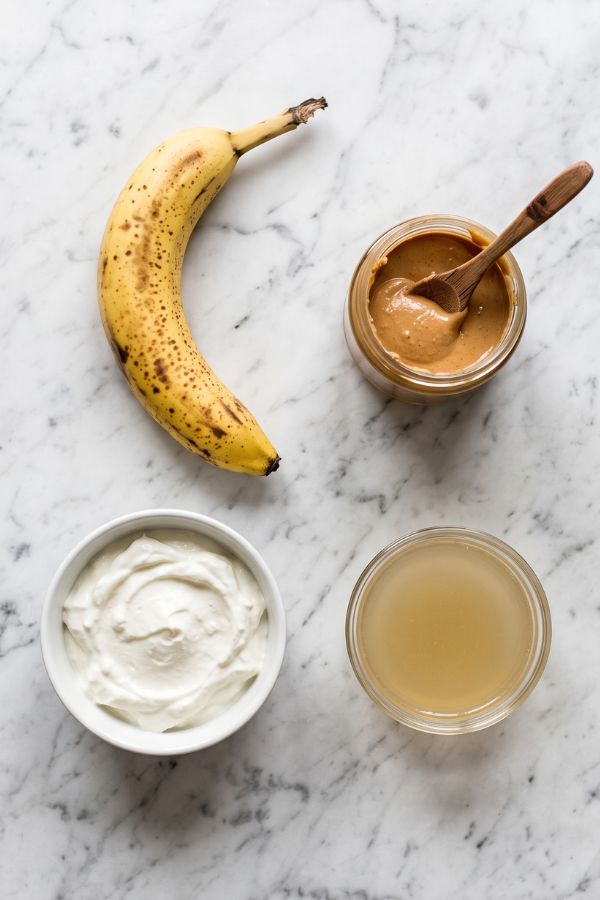
| Ingredient | Amount | Notes |
|---|---|---|
| Ripe banana | 1 medium | Spotty is fine, sweeter for the puppy |
| Xylitol-free peanut butter | 2 tbsp | Check the label every time, xylitol is deadly |
| Plain Greek yogurt | 1/2 cup | Full-fat, no sugar, no vanilla |
| Water or low-sodium bone broth | 2 tbsp | Helps everything blend smoothly |
Step 1: Mash and mix
Peel the banana and mash it in a bowl with a fork. Add the peanut butter and yogurt. Pour in the water or broth. Stir until it looks like a smooth pudding. Lumps are fine.
Step 2: Portion into molds
Silicone paw-print molds are the cutest, but honestly a plain ice cube tray works just as well. Spoon the mix in until each cavity is full. Tap the tray on the counter twice to knock out air bubbles. This is the step people skip, then wonder why their treats crumble.
Step 3: Freeze until solid
Slide the tray flat into the freezer for at least four hours. Overnight is better. A partially frozen pupsicle is a real choking risk, so don’t rush this part.
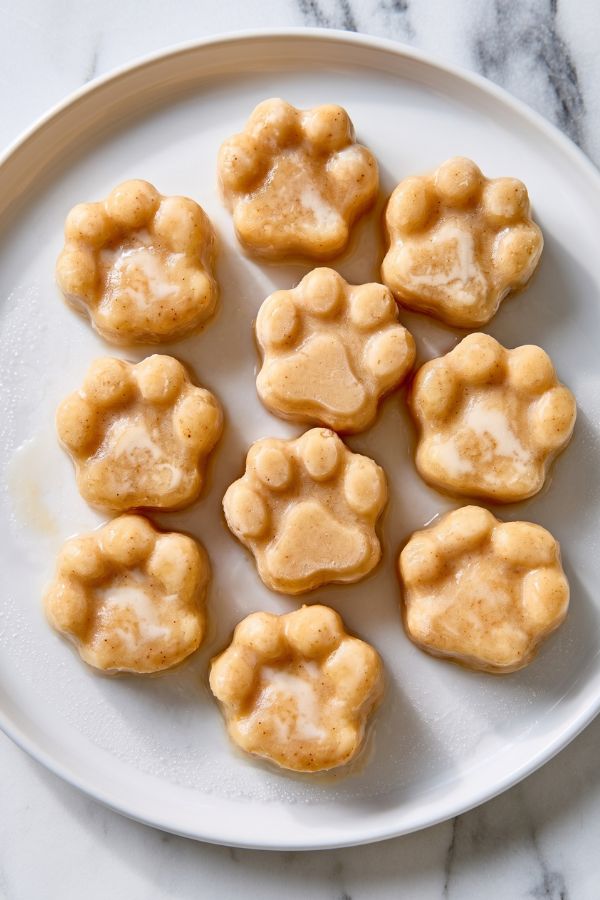
Storage
Pop the frozen treats out and transfer them to a zip-top bag or airtight container. They keep for up to two months in the freezer. Label the bag with the date if you’re the type who forgets (I always am).
Serving Size by Puppy Weight
| Puppy Weight | Max Per Day |
|---|---|
| Under 10 lbs | 1 small treat |
| 10-25 lbs | 1-2 small treats |
| 25-50 lbs | 2-3 treats |
| 50+ lbs | 3 treats |
Treats should stay under 10% of your puppy’s daily calories, so if your dog is already on a rich food, stick to the lower end.
If you want a deeper dive on the yogurt-peanut butter ratio specifically, my peanut butter and yogurt frozen dog treats recipe walks through it in more detail.
Recipe #2: Bone Broth Teething Cubes (Dairy-Free + Hydrating)
Some puppies get loose stools from yogurt. Some just refuse peanut butter. That was my sister’s Border Collie for a whole month. This bone broth version fixed it in one afternoon.
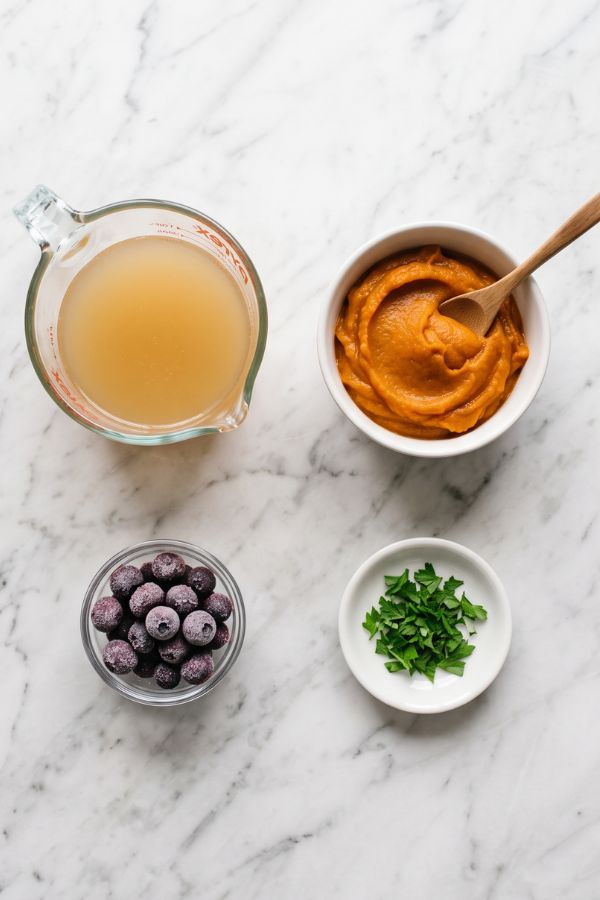
| Ingredient | Amount | Notes |
|---|---|---|
| Low-sodium bone broth | 2 cups | Chicken or beef, no onion or garlic |
| Plain pumpkin puree | 2 tbsp | 100% pumpkin, not pie filling |
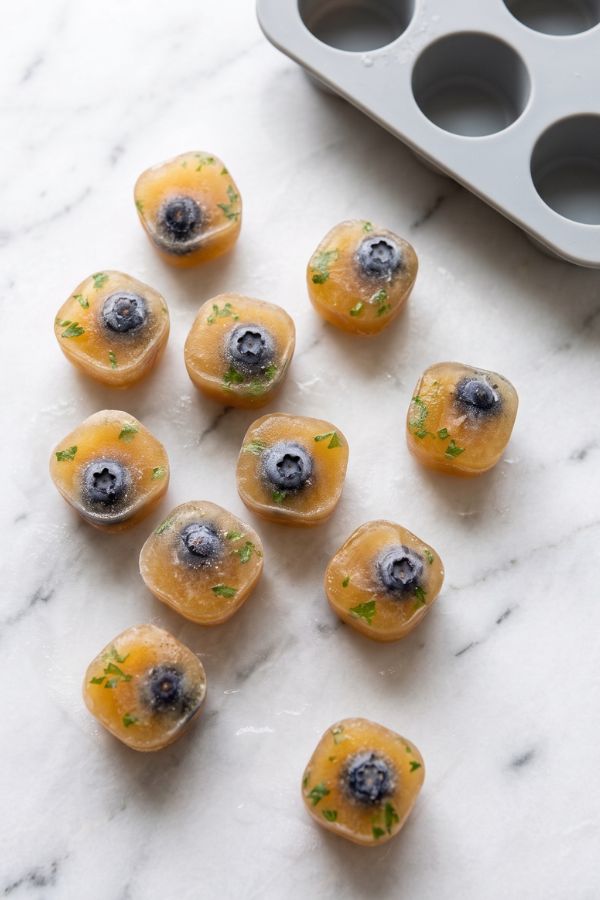
| Frozen blueberries | 6-8 | Optional, adds a chewable center |
| Fresh parsley, chopped | 1 tsp | Optional, freshens puppy breath |
Step 1: Warm your broth slightly
If your broth is fridge-cold, warm it just enough to whisk in the pumpkin. You want the two to blend, not cook. Take it off the heat before it steams.
Step 2: Layer in extras
Drop one or two blueberries into each cavity of your silicone tray. Sprinkle in a pinch of parsley. Then pour the pumpkin-broth mix over the top slowly so the fruit stays in place.
Step 3: Freeze in silicone molds
Freeze flat for six to eight hours. Silicone works better than a rigid tray because the finished cubes pop out clean. These melt faster than the peanut butter version, so serve them outside or on a towel.
Storage
Keep them four to six weeks in a sealed freezer bag. The color dulls a little over time but the smell stays fine (to a puppy, anyway).
The Frozen Washcloth Trick (For Puppies Too Young for Treats)
If your puppy is under twelve weeks and you don’t want to introduce new food yet, try this. Soak a clean washcloth in water, wring it out, twist it into a rope shape, and freeze it flat on a plate for two hours.
Hand the frozen washcloth to your puppy for supervised chewing sessions of ten to fifteen minutes. The cold does the numbing work and the fabric texture massages the gums. Never leave your puppy alone with a frozen washcloth, since shredded fabric can be swallowed and cause a blockage (trust me on this one, a friend of mine learned that from a very expensive vet trip).
Ingredients You Should Never Freeze for Your Puppy
- Xylitol. Hidden in many peanut butters and low-sugar spreads. Fatal even in tiny amounts.
- Grapes and raisins. Cause acute kidney failure with no safe dose.
- Chocolate and cocoa powder. Theobromine is toxic to dogs and dark chocolate is the worst offender.
- Onion and garlic. Even in powder form. Damages red blood cells.
- Macadamia nuts. Cause weakness, tremors, and hyperthermia.
- Plain ice cubes. Rock-solid ice can crack baby teeth. Crushed ice or frozen broth cubes are the safe fix.
- High-sodium store broths. Anything over 100 mg of sodium per cup is too much for a puppy.
If you want more homemade options that skip all of these, the homemade frozen carrot dog treats recipe is one I keep in the freezer year-round.
Back to a Quiet Living Room
Snickers is six now, and the couch survived (barely). Every time a friend brings home a new puppy, I hand them a zip-top bag of pupsicles from my freezer and tell them the same thing. Cold does the work. It buys you twenty quiet minutes. And it usually saves the couch.
He’s asleep next to me while I write this, snoring like a tiny drunk uncle. Twenty minutes of chewing on a peanut butter pupsicle wore him out at ten weeks old, and honestly, it’s still my favorite way to hand him a treat six years later.
I’m a passionate dog lover and kitchen enthusiast, but I’m not a certified veterinarian or animal nutritionist. Long-term homemade diets should always be discussed with your vet to make sure your pup is getting everything they need.
Bon appétit to your furry friend!