
Snickers was sitting next to me on the couch last Tuesday night, doing that thing where he rests his chin on my thigh and stares up like he hasn’t eaten in three days. I was eating cottage cheese straight from the tub with a spoon. Classy, I know.
He nudged my hand. I looked down at the tub, then back at him. And I thought, wait. Can he actually have this?
Turns out, yes. Cottage cheese is one of those foods that’s surprisingly good for dogs.
Lower in lactose than most dairy, packed with protein, and gentle enough that even dogs with mildly sensitive stomachs can handle it. So I did what I always do when I find out Snickers can eat something.
I figured out how to turn it into a treat.
Two recipes came out of that night. One is a frozen cottage cheese bite that takes about five minutes to throw together. The other is a baked cottage cheese biscuit that’s a little more involved but holds up better in your pocket during walks.
Both cost almost nothing to make, and Snickers lost his mind over both of them.
Why Cottage Cheese Works So Well in Dog Treats
Before we get into the recipes, it’s worth knowing why cottage cheese is a solid pick for homemade dog treats.
- High protein, low fat. Low-fat cottage cheese has about 14 grams of protein per half cup, with only 1 to 2 grams of fat. That’s a better ratio than most store-bought treats
- Easier on the stomach than other dairy. Cottage cheese has significantly less lactose than milk or regular cheese. Most dogs digest it without any issues
- Calcium boost. One serving provides a good dose of calcium, which supports bone and joint health. Cavaliers especially benefit from this since they’re prone to joint issues as they age
- Dogs genuinely love the taste. I don’t know what it is about cottage cheese, but Snickers reacts to it the way he reacts to chicken. Total excitement
If you’ve already been making homemade treats on a budget, cottage cheese fits right into that same approach. Cheap, simple, and your dog will prefer it over anything from a bag.
Recipe 1: Frozen Cottage Cheese Bites
This is the lazy recipe. I’m not going to pretend otherwise. You mix things in a bowl, spoon them into a mold, and freeze. That’s it. But Snickers treats these like they’re filet mignon, so the effort-to-excitement ratio is unbeatable.
Ingredients
| Ingredient | Amount | Notes |
|---|---|---|
| Low-fat cottage cheese | 1 cup | Small curd works best |
| Ripe banana | 1 medium | The riper, the sweeter |
| Peanut butter | 1 tablespoon | Must be xylitol-free |
| Blueberries | 1/4 cup | Fresh or frozen, either works |
Instructions
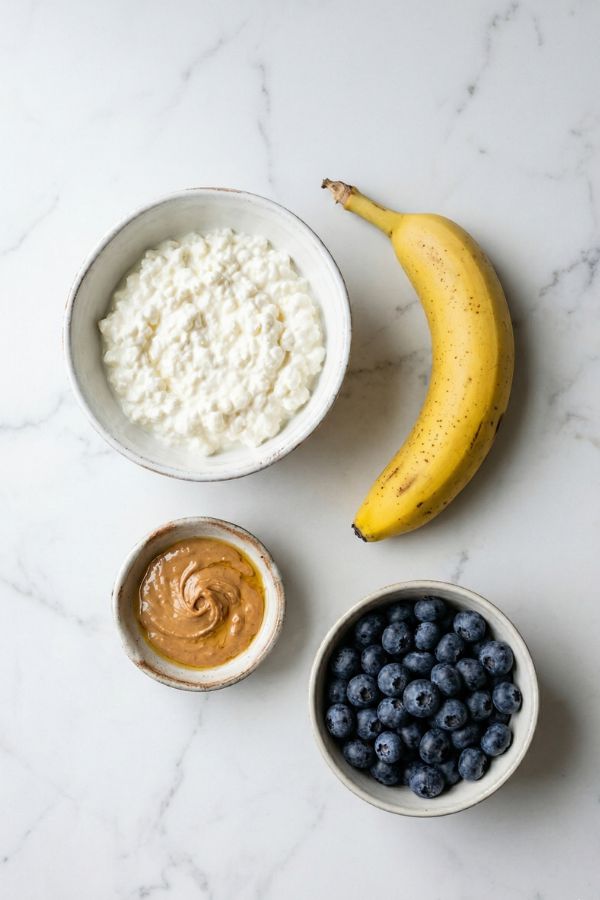
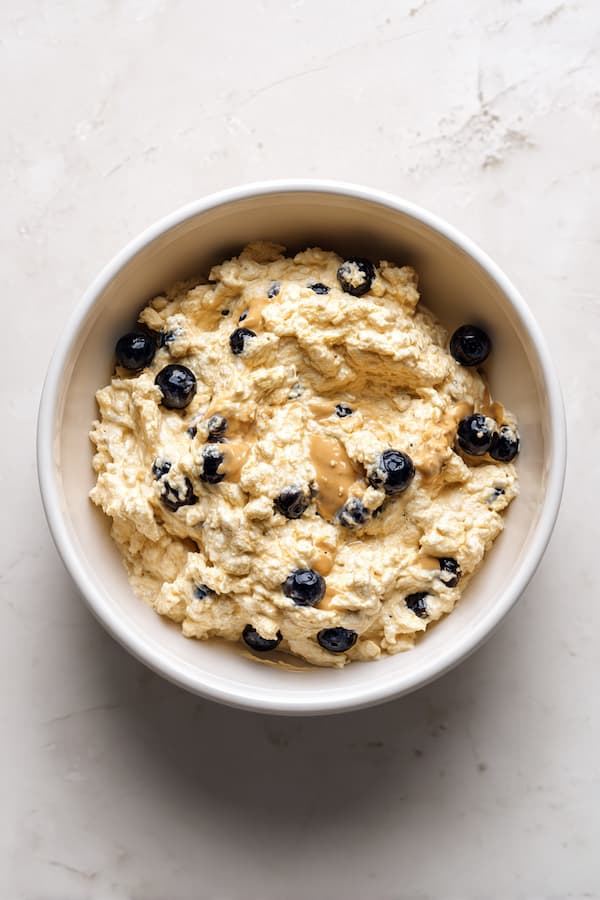
1. Mash the banana in a mixing bowl. Get it smooth. A few small chunks are fine, but you don’t want big pieces that’ll make the mixture hard to spoon.
2. Add the cottage cheese and peanut butter. Stir everything together until it’s evenly mixed. The texture will be lumpy and a bit thick. That’s exactly what you want.
3. Fold in the blueberries. Gently stir them in so they’re spread throughout the mixture. Don’t crush them unless you want purple everything.
4. Spoon the mixture into a silicone mold or ice cube tray. Fill each cavity about three-quarters full. A regular ice cube tray makes about 14 to 16 bites. A silicone paw mold works too if you want to be fancy about it (Snickers doesn’t care, but I get it).
5. Freeze for at least 3 hours. Overnight is better. Pop them out of the mold and transfer to a freezer bag.
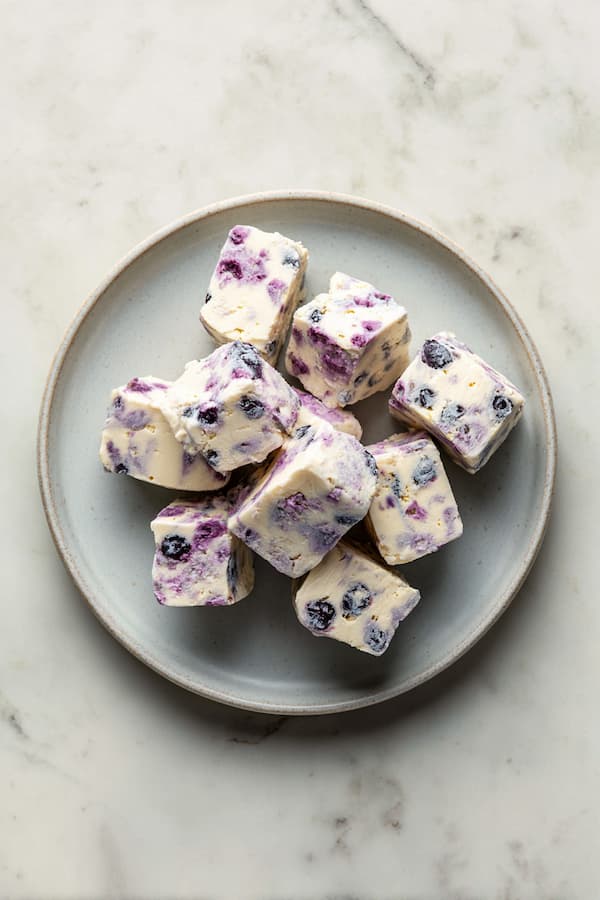
I tried this with Greek yogurt first, and it works, but cottage cheese gives a chunkier texture that Snickers seems to prefer. Something about the little curds keeps him chewing longer instead of swallowing the whole thing in one gulp.
Storage
Keep these in a sealed bag or container in the freezer. They’ll stay good for up to 3 months. Don’t thaw and refreeze them. Once they’re out, they need to be eaten within 20 minutes or tossed.
Serving Guidelines
| Dog Weight | Serving Size |
|---|---|
| Under 10 lbs | 1 bite |
| 10 to 25 lbs | 1 to 2 bites |
| 25 to 50 lbs | 2 to 3 bites |
| Over 50 lbs | 3 to 4 bites |
These are treats, not meals. Even though the ingredients are healthy, cottage cheese still has calories and sodium that add up if you go overboard. Two bites per day is what I give Snickers (he’s about 16 pounds), and that’s plenty.
Now that you’ve got the easy one down, here’s the recipe for when you want something you can carry around without it melting in your pocket.
Recipe 2: Baked Cottage Cheese and Oat Biscuits
These are the ones I make on weekends when I actually feel like turning the oven on. They’re crunchy, they hold their shape, and they don’t crumble into dust the way some homemade biscuits do. I’ve been making a batch every two weeks and they last the whole time.
Ingredients
| Ingredient | Amount | Notes |
|---|---|---|
| Low-fat cottage cheese | 3/4 cup | Small curd, drained slightly |
| Oat flour | 1 1/2 cups | Blend regular oats in a blender if you don’t have oat flour |
| Egg | 1 large | Room temperature works best |
| Coconut oil | 1 tablespoon | Melted |
| Dried parsley | 1 teaspoon | Optional, but helps with dog breath |
Instructions
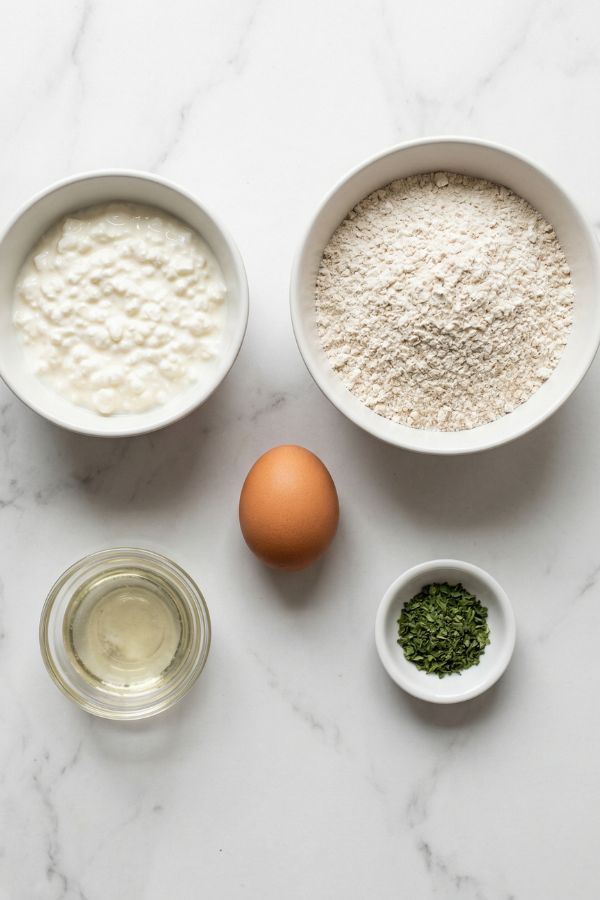
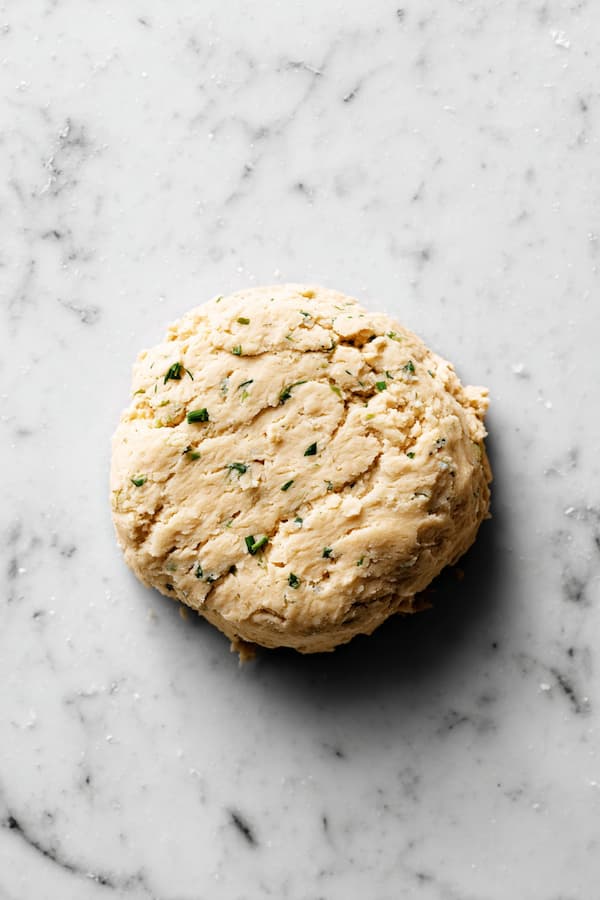
1. Preheat your oven to 325 degrees Fahrenheit (165 Celsius). Line a baking sheet with parchment paper.
2. Blend the cottage cheese in a blender or food processor until smooth. This step matters. If you skip it, you’ll get lumpy dough that’s hard to roll out. About 15 to 20 seconds does the job.
3. Mix the oat flour, egg, melted coconut oil, and parsley in a large bowl. Stir until combined. It’ll look dry at first.
4. Pour in the blended cottage cheese and mix until a dough forms. It should be slightly sticky but hold together when you press it. If it’s too wet, add oat flour a tablespoon at a time. If it’s too crumbly, add a splash of water.
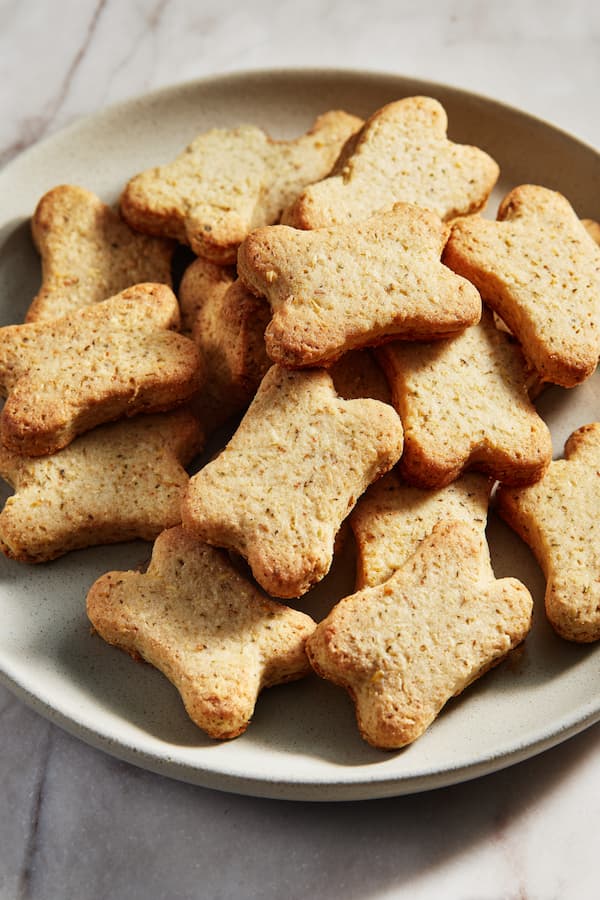
5. Roll the dough out on a lightly floured surface to about 1/4 inch thick. Use a small cookie cutter or just a knife to cut into squares. I cut mine into roughly 1-inch pieces because Snickers is small and I’d rather give him two tiny treats than one big one (don’t skip this part).
6. Place the cut biscuits on your lined baking sheet. Leave a little space between each one. They won’t spread much, but airflow helps them crisp up evenly.
7. Bake for 22 to 25 minutes. The biscuits should be golden on the edges and firm to the touch. For extra crunch, turn the oven off and leave them inside for another 10 minutes with the door cracked open. That’s the trick to getting them truly crunchy without burning them.
8. Let them cool completely on a wire rack. They’ll harden up more as they cool. Don’t test the texture until they’ve sat for at least 30 minutes.
I made the first batch without draining the cottage cheese and the dough was way too sticky to work with. Just pour it into a fine mesh strainer for 5 minutes before blending. Saves you the headache.
If you’ve made our coconut oil treats for skin health before, this recipe follows a similar process. Same oven temperature, similar bake time. The cottage cheese just swaps in where the yogurt would go.
Storage
Store in an airtight container at room temperature for up to 5 days, in the fridge for up to 2 weeks, or in the freezer for up to 3 months. The fridge is my go-to. They keep their crunch surprisingly well in there, and I just grab a couple on my way out the door for walks.
Serving Guidelines
| Dog Weight | Serving Size |
|---|---|
| Under 10 lbs | 2 to 3 small biscuits |
| 10 to 25 lbs | 3 to 4 small biscuits |
| 25 to 50 lbs | 4 to 6 small biscuits |
| Over 50 lbs | 6 to 8 small biscuits |
These are based on 1-inch biscuits. If you cut yours bigger, adjust down. Treats should make up no more than 10% of your dog’s daily calories, regardless of how healthy the ingredients are.
A Few Things to Keep in Mind
Not every dog handles dairy the same way. Most dogs do fine with cottage cheese because of the lower lactose content, but if your dog has never had dairy before, start small. Give them a teaspoon of plain cottage cheese and wait 24 hours. If there’s no gas, no loose stool, and no upset stomach, you’re good to go.
A couple of ground rules:
- Always use low-fat cottage cheese. Full-fat versions have too much fat per serving for dogs, especially smaller breeds like Cavaliers. The low-fat version has all the protein and calcium without the digestive risk
- Skip cottage cheese that has added sodium, herbs, or flavorings. Plain and boring is what you want. Check the label
- If your dog is lactose intolerant or has a known dairy sensitivity, these recipes aren’t the right fit. Try our beginner treat recipes instead for dairy-free options
- Puppies under 12 weeks should skip cottage cheese treats. Their digestive systems aren’t ready for dairy yet
I’m a passionate dog lover and kitchen enthusiast, but I’m not a certified veterinarian or animal nutritionist. If you’re making dietary changes for your dog or adding new ingredients to their routine, it’s always a good idea to run it by your vet first.
Bon appétit to your furry friend!