Last October, I was roasting a butternut squash for dinner and had way more than I needed, so I scooped the extra into a container and stuck it in the fridge with vague plans to use it later.
A few days went by, and I kept opening the fridge to find that container staring back at me, silently judging my lack of creativity.
Then Snickers wandered into the kitchen during one of these refrigerator staring contests, and it clicked, why not use it to make her some fall-themed treats?
She’d been watching me prep all this seasonal cooking with those hopeful eyes, clearly feeling left out of the whole autumn food situation.
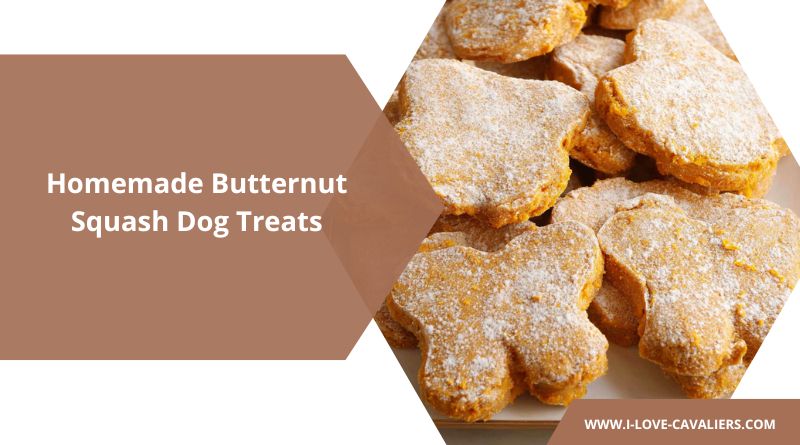
Turns out, butternut squash makes incredible dog treats, naturally sweet, packed with good stuff, and that gorgeous orange color makes them look like little autumn leaves when you cut them into shapes.
Now every time I roast squash, I automatically make extra because I know exactly where it’s going.
Why These Treats Deserve a Spot in Your Kitchen
- Seasonal Ingredient, Year-Round Benefits
Butternut squash is available fresh in fall and winter, but you can use frozen year-round. It’s loaded with vitamins and fiber that support your dog’s health regardless of the season.
- Natural Sweetness Without Sugar
The combination of butternut squash and applesauce creates treats that taste naturally sweet to dogs without any added sugars, artificial sweeteners, or unnecessary ingredients.
- Simple Four-Ingredient Formula
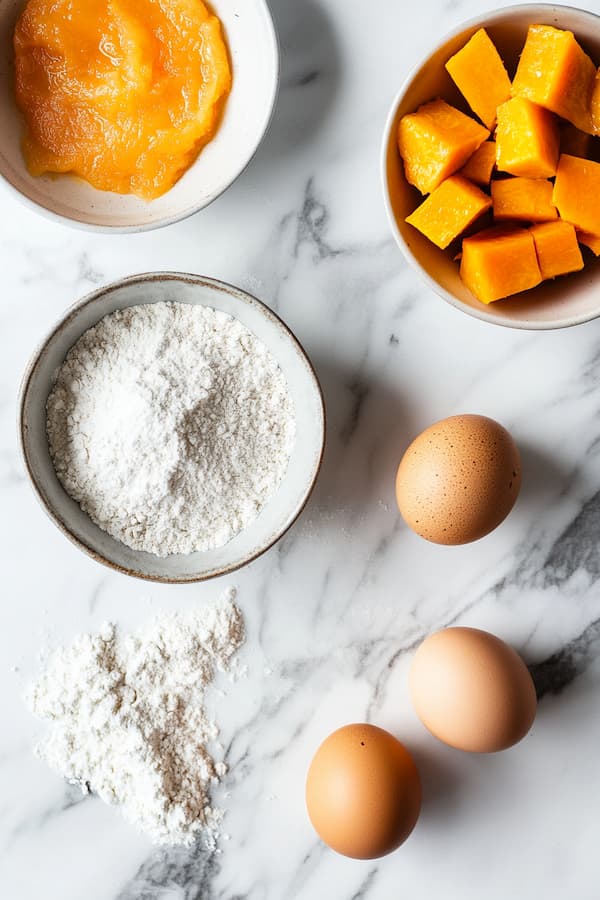
With just squash, applesauce, oat flour, and eggs, these treats are straightforward to make and easy to modify if your dog has specific dietary needs or preferences.
Butternut Squash Dog Treats Recipe
Ingredients
| Ingredient | Amount |
|---|---|
| Butternut squash (cooked and mashed) | 1 cup |
| Unsweetened applesauce | ½ cup |
| Oat flour | 3 cups |
| Large eggs | 2 |
Squash Preparation Options: Use fresh butternut squash that you’ve roasted or boiled, or take the easy route with frozen butternut squash. Both work equally well—fresh gives you more control, frozen gives you convenience.
Step-by-Step Treat-Making Instructions
Step 1: Prepare Your Butternut Squash
If using fresh squash, peel, seed, and cut into chunks. Boil for 15–20 minutes or roast at 400°F for 30–40 minutes until soft. For frozen squash, thaw under cold water until fully softened. You just need it mashable before moving on.
Step 2: Set Up Your Baking Station
Preheat the oven to 350°F (175°C). Line a baking sheet with parchment or a silicone mat. Clear a work space and gather a mixing bowl, rolling pin, and cookie cutters.
Step 3: Blend the Butternut Squash
Blend the cooked/thawed squash into a chunky puree. Smooth is fine, but it doesn’t need to be perfectly silky. You can also mash by hand with a fork or potato masher.
Step 4: Combine the Wet Ingredients
Add the squash, applesauce, and eggs to a bowl and stir until fully combined. The mixture should be thick and evenly mixed.
Step 5: Create the Dough
Add the oat flour and mix until a soft dough forms. It should be slightly sticky but workable. If it’s too wet, add more oat flour a tablespoon at a time; if too dry, add a teaspoon of water.
Step 6: Roll Out Your Dough
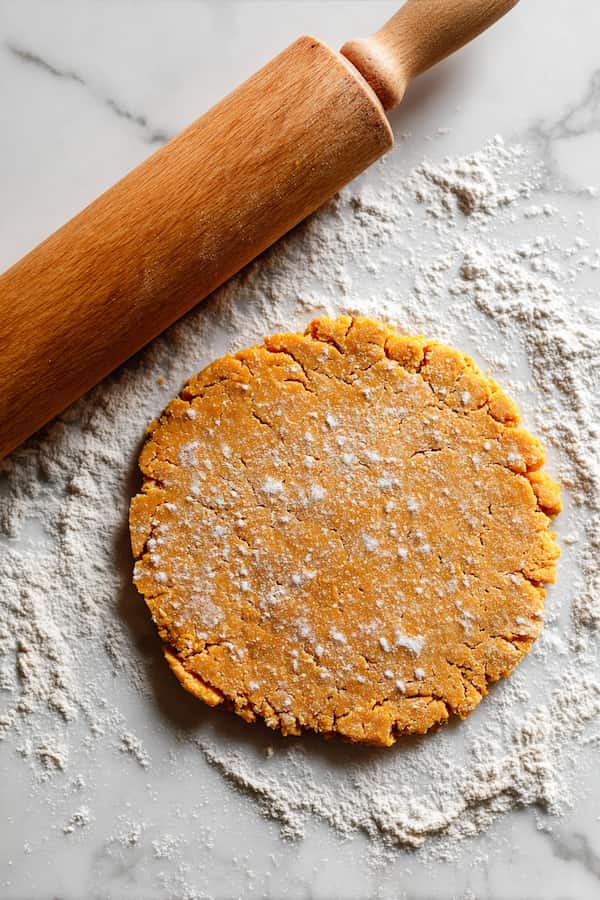
Lightly dust your clean work surface with a sprinkle of oat flour or regular flour to prevent sticking. Place your dough ball in the center and dust a rolling pin lightly as well. Aim for approximately ¼ inch thickness throughout
Step 7: Cut Your Treat Shapes
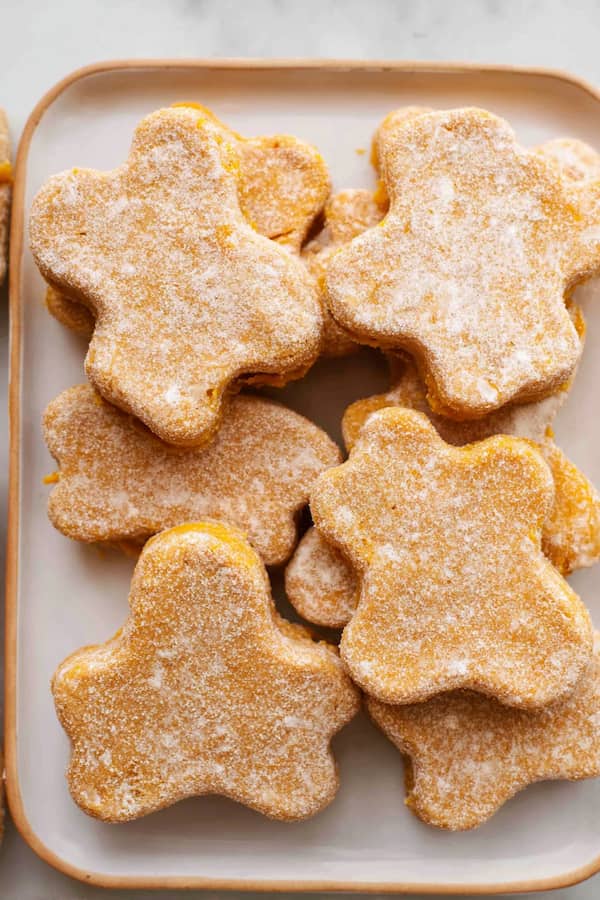
Press cookie cutters straight down into the dough and transfer the shapes to the baking sheet. Re-roll scraps and repeat until all the dough is used.
Step 8: Bake Until Firm
Bake for 12 minutes, then check for firmness. Bake 2–3 minutes longer if needed. Let the treats cool on the baking sheet for 20–30 minutes so they firm up properly.
Storage Recommendations
Room Temperature Storage (1-2 Weeks): Once completely cooled, store these treats in an airtight container at room temperature for up to two weeks. The low moisture content helps them stay fresh on the counter without refrigeration.
Refrigerator Storage (3-4 Weeks): For extended freshness, keep them in a sealed container in the refrigerator. The cool environment prevents any moisture-related issues and keeps them crisp longer.
Freezer Storage (Up to 3 Months): These treats freeze excellently for long-term storage. Arrange them in a single layer in a freezer bag with air pressed out, or stack them with parchment paper between layers.
Serving Guidelines by Dog Size
| Dog Weight | Treat Size | Daily Maximum |
|---|---|---|
| 5-15 lbs | Small (1 inch) | 2-3 treats |
| 16-30 lbs | Medium (1.5 inch) | 3-4 treats |
| 31-50 lbs | Medium (1.5 inch) | 4-5 treats |
| 51-70 lbs | Large (2 inch) | 5-6 treats |
| 71+ lbs | Large (2 inch) | 6-8 treats |
These serving recommendations are general guidelines based on typical adult dogs. Individual needs vary significantly based on breed, age, activity level, metabolism, and overall health status.
Treats should never exceed 10% of your dog’s total daily caloric intake. Monitor your dog’s weight and body condition regularly, adjusting treat portions up or down as appropriate.
For dogs with health conditions, dietary restrictions, or special needs, always consult your veterinarian before introducing new treats into their routine.
Nutritional Benefits of the Treats
- Vitamin A from Butternut Squash
Butternut squash is packed with beta-carotene, which converts to vitamin A in your dog’s body. This supports healthy vision, immune function, skin health, and cellular growth.
- Digestive Fiber
Both butternut squash and applesauce provide natural, gentle fiber that promotes healthy digestion, supports regular bowel movements, and feeds beneficial gut bacteria.
- Antioxidants for Immune Support
Butternut squash contains antioxidants like vitamin C and manganese that help protect cells from damage and support overall immune system function.
Frequently Asked Questions
Can I use canned butternut squash?
Fresh or frozen is best, but if you find plain canned butternut squash with no added salt, sugar, or seasonings, it works in a pinch. Just make sure it’s 100% squash with nothing else added.
Can I substitute regular flour for oat flour?
Yes, whole wheat flour or all-purpose flour work as one-to-one substitutes. Oat flour is naturally gluten-free and offers more fiber, but dogs without grain sensitivities do fine with regular flour.
Can puppies eat butternut squash?
Absolutely. Butternut squash is gentle and nutritious for puppies. Just introduce it gradually in small amounts and watch for any digestive sensitivity before offering larger portions.
Are these safe for dogs with sensitive stomachs?
The simple, whole-food ingredients make these relatively gentle on most digestive systems. Butternut squash is often recommended for dogs with upset stomachs due to its easy digestibility and fiber content.
Final Thoughts
So now every autumn, when butternut squash starts showing up everywhere and the air gets that crisp feeling, I know exactly what I’m making. These treats have become as much a part of our fall routine as apple picking and pumpkin patches—except Snickers gets way more excited about her squash treats than the kids do about the actual seasonal activities.
There’s something really satisfying about using real, seasonal ingredients to make something your dog loves, especially when those ingredients are things you’re already cooking with anyway. From our kitchen to yours—may your fall be filled with cozy moments and happy pups munching on homemade treats. Happy baking!