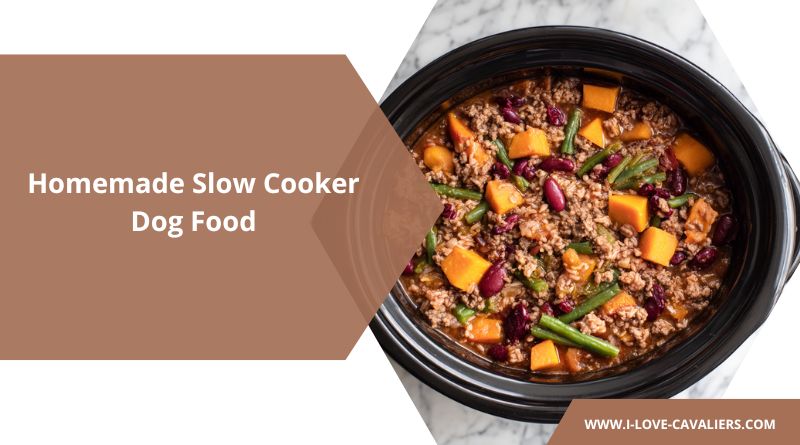
I still remember my first dog, Bentley. He was the reason I ever thought about homemade meals in the first place. Back then, I didn’t know as much about nutrition, but I knew one thing for sure: he deserved better than kibble poured out of a bag.
That’s how I stumbled into slow cooker dog food, simple, nourishing meals that made him wag his tail like I had just handed him a gift. Those recipes carried us through years together, and I honestly credit them for keeping him healthy longer than anyone expected.
Now, years later with Snickers, I recently pulled out the slow cooker again. I wasn’t prepared for what happened. The smell filling the kitchen, the way Snickers sat by the crockpot waiting, the look in his eyes when I set the bowl down, it all felt like Bentley’s ghost had come back for a visit.
Strange as it sounds, it was like I was reliving those old days, only through Snickers this time. And it reminded me why these recipes have always mattered so much.
Why Choose Slow Cooker Dog Food?
- Convenience
Slow cooker dog food preparation requires just 15-20 minutes of active prep time, then your crockpot does all the work. You can start a batch before work and come home to a week’s worth of nutritious meals.
- Superior Nutrition Retention
The low, steady heat of slow cooking preserves more vitamins and minerals compared to high-heat processing used in commercial kibble manufacturing.
- Significant Cost Savings
Homemade slow cooker dog food typically costs 40-60% less than premium commercial dog food. A single batch costing $15-20 can provide the same nutrition as $40-50 worth of high-quality kibble.
- Control Over Ingredients
You know exactly what goes into every meal—no mystery meat meals, artificial preservatives, or questionable fillers.
Slow Cooker Dog Food Recipes
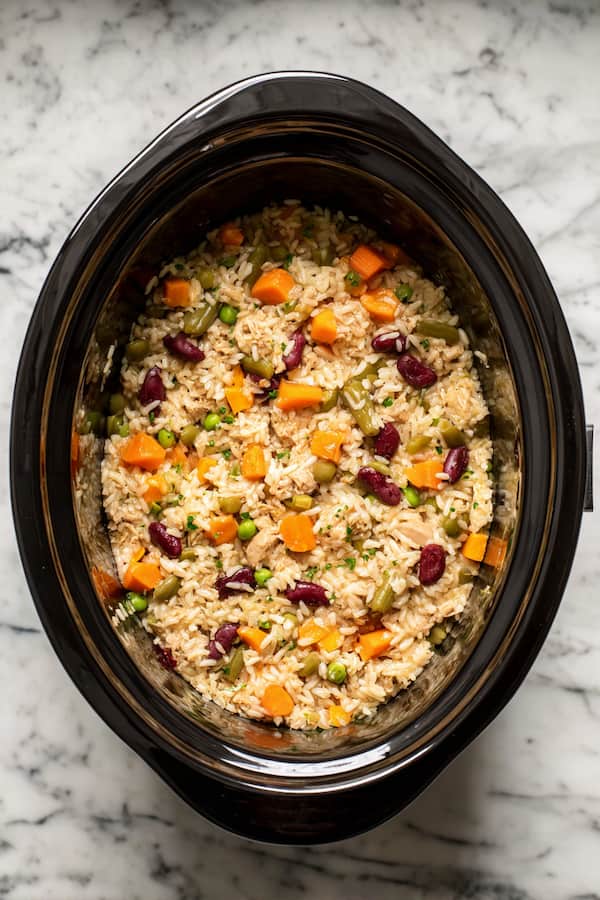
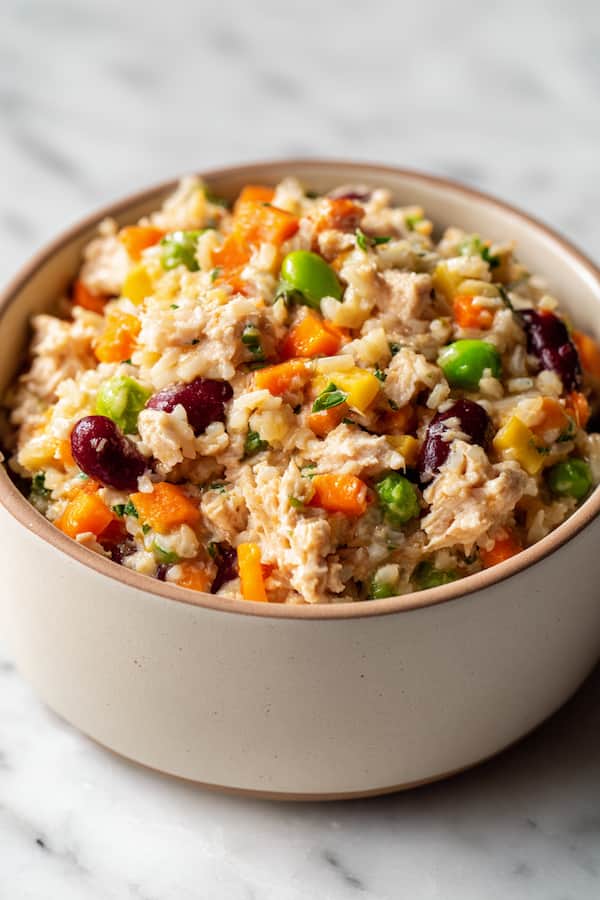
Recipe 1: Chicken & Rice Power Bowl
This nutritionally complete meal provides lean protein, complex carbohydrates, and essential vitamins for dogs of all sizes and activity levels.
Ingredients
| Ingredient | Amount |
|---|---|
| Lean ground chicken (90% lean or higher) | 3 lb |
| Uncooked rice (white or brown) | 1 cup |
| Butternut squash, cubed | 1 cup |
| Kidney beans, rinsed well | ½ can (about 7–8 oz) |
| Peas | 1 cup |
| Green beans, chopped | 1 cup |
| Carrots, diced | 1 cup |
| Water | 3½ cups |
| Ground eggshell powder | 3 tsp (added after cooking) |
| Fish oil or flaxseed oil | 1–2 tbsp (after cooking) |
| Chicken liver or dark meat chicken (optional) | ½ cup, once per week |
| Dog-safe vitamin/mineral premix | As per product instructions |
Detailed Instructions
Prepare Your Crockpot Lightly coat the inside of your crockpot with non-stick cooking spray or insert a slow cooker liner. This helps prevent sticking and makes cleanup easier, especially important with ground chicken which can adhere to surfaces during long cooking times.
Layer the Ingredients (Don’t Stir Yet!) Add the ingredients in the following order for the most even cooking:
- Butternut squash and carrots: Place the cubed butternut squash (1 cup) and diced carrots (1 cup) in the bottom of the crockpot.
- Green beans and peas: Add 1 cup of chopped green beans and 1 cup of peas on top of the root vegetables.
- Kidney beans: Distribute the rinsed kidney beans evenly over the vegetables.
- Brown rice: Sprinkle 1 cup of uncooked rice evenly across the bean layer.
- Ground chicken: Crumble 3 pounds of lean ground chicken over the rice layer, breaking it into golf ball-sized chunks.
- Water: Slowly pour in 3½ cups of water around the sides of the pot, allowing it to soak through the layers without disturbing the careful arrangement.
Cook Low and Slow Cover the crockpot with the lid and cook:
- On LOW for 6 to 8 hours, or
- On HIGH for 4 to 5 hours. The meal is done when the rice is completely tender, the vegetables pierce easily with a fork, and the chicken reaches an internal temperature of 165°F with no pink remaining.
Add Final Nutrients About 30 minutes before the cooking time ends, give the mixture a gentle stir to combine all ingredients, then add:
- Ground eggshell powder (3 tsp) – provides essential calcium for bone health and balances the phosphorus from the meat.
- Fish oil or flaxseed oil (1-2 tbsp) – adds omega-3 fatty acids for skin, coat, and brain health.
- Optional liver – if using chicken liver for this week’s batch, add it now and stir gently to distribute.
Cool and Portion Once cooking is complete, stir thoroughly to ensure even distribution of all ingredients. The final texture should be moist and cohesive, similar to a thick risotto. Let cool completely to room temperature before serving or storing. This prevents nutrient loss from heat and protects your dog’s mouth from burns.
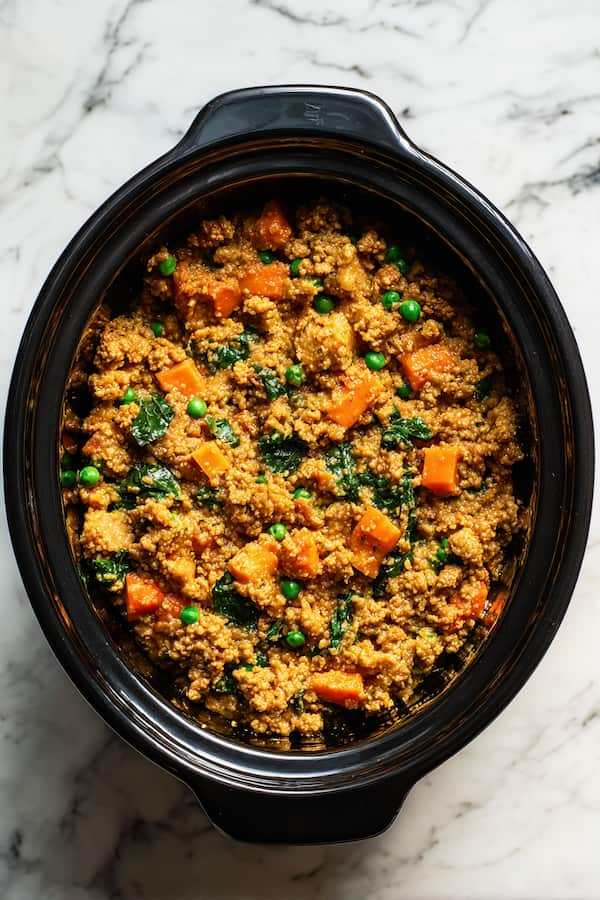
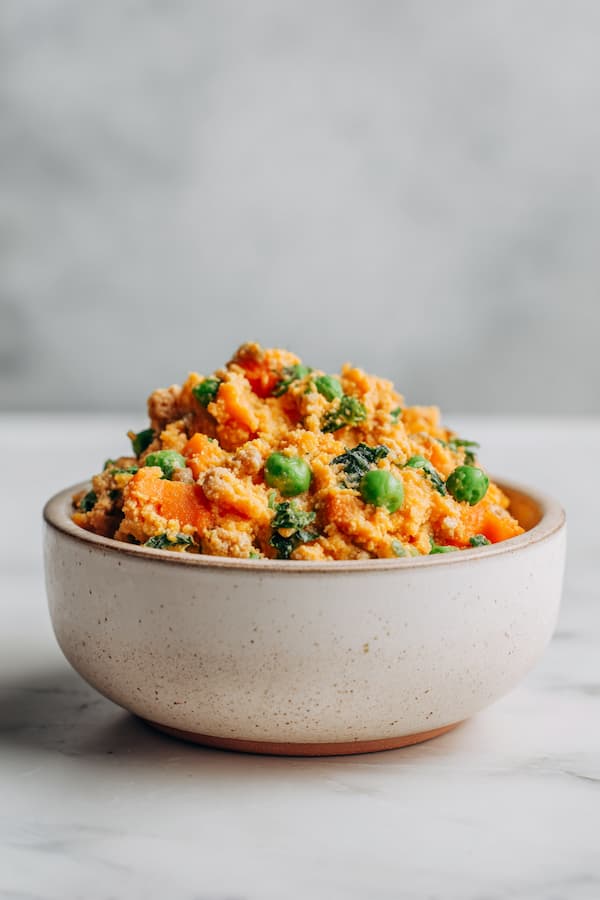
Recipe 2: Turkey & Potato Comfort Bowl
Perfect for dogs with sensitive stomachs or those who prefer milder flavors, this recipe provides easily digestible proteins and gentle carbohydrates.
Ingredients
| Ingredient | Amount |
|---|---|
| Ground turkey (lean, 93% or higher) | 2 lb |
| Russet potato, diced | 1 medium |
| Cooked oats or quinoa | ½ cup |
| Carrots, chopped | 1 cup |
| Spinach (fresh or frozen) | ½ cup |
| Peas | ½ cup |
| Water or low-sodium broth | 1½ cups |
| Ground eggshell powder | 3 tsp (after cooking) |
| Fish oil | 1–2 tbsp (after cooking) |
| Turkey or chicken liver (optional, weekly) | 2 oz |
| Dog-safe vitamin/mineral premix | As per product instructions |
Detailed Instructions
Prepare Your Crockpot Lightly coat the inside of your crockpot with non-stick cooking spray or insert a slow cooker liner. This step is crucial for turkey recipes as lean ground turkey can stick more readily than fattier meats during the slow cooking process.
Layer the Ingredients (Don’t Stir Yet!) Add the ingredients in the following order for the most even cooking:
- Diced potato and carrots: Place the diced russet potato (1 medium) and chopped carrots (1 cup) in the bottom of the crockpot. Potatoes need the longest cooking time and direct heat contact to break down properly.
- Cooked oats or quinoa: Sprinkle ½ cup of pre-cooked oats or quinoa over the root vegetables. Using pre-cooked grains prevents them from absorbing too much liquid and becoming mushy.
- Peas: Add ½ cup of peas on top of the grain layer.
- Ground turkey: Crumble 2 pounds of lean ground turkey over the vegetable layers, breaking it into walnut-sized pieces.
- Spinach: If using fresh spinach, layer it on top of the turkey. If using frozen, add it directly from frozen.
- Liquid: Slowly pour in 1½ cups of water or low-sodium broth around the edges of the pot.
Cook Low and Slow Cover the crockpot with the lid and cook:
- On LOW for 5 to 7 hours, or
- On HIGH for 3 to 4 hours. The dish is ready when the potatoes are fork-tender, the turkey is fully cooked through (165°F internal temperature), and the spinach is wilted and integrated.
Add Final Nutrients About 30 minutes before completion, stir the mixture gently to combine all layers, then add:
- Ground eggshell powder (3 tsp) – essential for calcium balance, particularly important in poultry-based diets.
- Fish oil (1-2 tbsp) – provides omega-3 fatty acids that complement the lean protein profile of turkey.
- Optional liver – if including turkey or chicken liver this week, add the 2 oz now and stir to distribute evenly.
Cool and Portion Give the finished meal a final thorough stir. The consistency should be thick and scoopable, with tender potatoes that mash slightly when stirred but don’t completely break down. Cool to room temperature before serving.
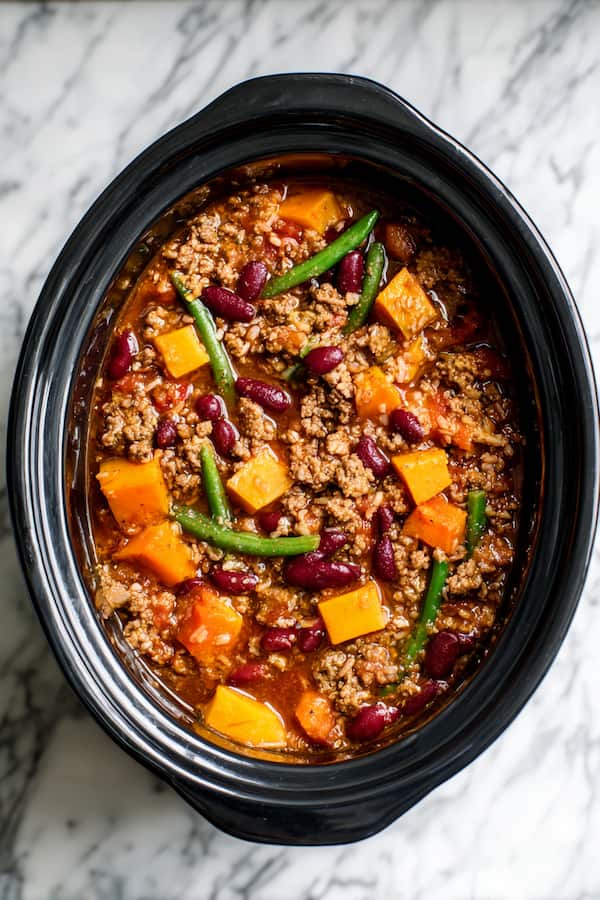
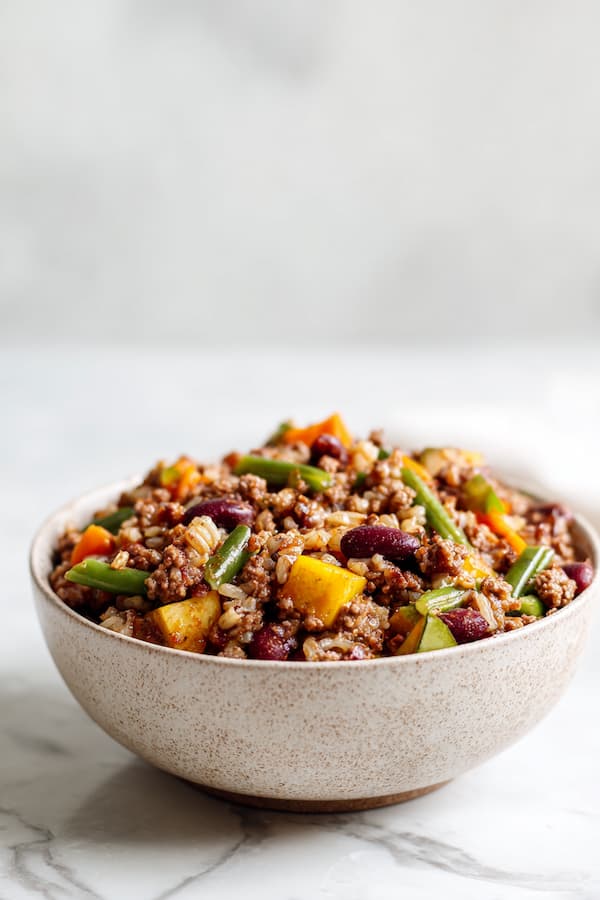
Recipe 3: Beef & Brown Rice Hearty Stew
This robust recipe is ideal for larger dogs, active breeds, or dogs needing to gain healthy weight. The combination provides sustained energy and complete nutrition.
Ingredients
| Ingredient | Amount |
|---|---|
| Lean ground beef (90% lean or higher) | 2 lb |
| Brown rice (rinsed) | 1 cup |
| Kidney beans, no-sodium, rinsed | ½ can (about 7–8 oz) |
| Butternut squash, peeled and cubed | 1½ cups |
| Green beans, chopped | 1½ cups |
| Mixed vegetables, frozen (no onions) | 1½ cups |
| Water or low-sodium bone broth | 4 cups |
| Ground eggshell powder | 4 tsp (after cooking) |
| Fish oil | 1–2 tbsp (after cooking) |
| Beef liver (optional, weekly add-in) | 4 oz |
| Dog-safe vitamin/mineral premix | As per product instructions |
Detailed Instructions
Prepare Your Crockpot Lightly coat the inside of your crockpot with non-stick cooking spray or insert a slow cooker liner. For this larger batch recipe, ensure your crockpot is at least 6-quart capacity to accommodate all ingredients comfortably with room for proper circulation.
Layer the Ingredients (Don’t Stir Yet!) Add the ingredients in the following order for the most even cooking:
- Butternut squash: Place the 1½ cups of cubed butternut squash in the bottom layer.
- Green beans and mixed vegetables: Add 1½ cups of chopped green beans and 1½ cups of frozen mixed vegetables over the squash.
- Kidney beans: Distribute the rinsed kidney beans evenly across the vegetable layer.
- Brown rice: Sprinkle 1 cup of rinsed brown rice evenly over the beans. Rinsing removes excess starch and prevents the rice from becoming too sticky.
- Ground beef: Crumble 2 pounds of lean ground beef over the rice layer, breaking it into chunks roughly the size of large meatballs. The beef will render some fat during cooking, which will be absorbed by the rice and vegetables below.
- Liquid: Slowly pour 4 cups of water or low-sodium bone broth around the sides of the pot. The higher liquid ratio is necessary for the brown rice and larger vegetable quantities. The liquid should come close to covering the top layer.
Cook Low and Slow Cover the crockpot with the lid and cook:
- On LOW for 7 to 9 hours, or
- On HIGH for 5 to 6 hours. The stew is finished when the brown rice is completely tender (no chalky center), the butternut squash easily mashes with a fork, and the beef has reached 160°F internal temperature with no pink remaining.
Add Final Nutrients About 45 minutes before the end of cooking time, stir the entire mixture thoroughly to combine all layers and break up any large pieces of beef, then add:
- Ground eggshell powder (4 tsp) – the higher amount accounts for the larger batch size and provides essential calcium to balance the phosphorus-rich beef.
- Fish oil (1-2 tbsp) – adds crucial omega-3 fatty acids that complement the omega-6 fats naturally present in beef.
- Optional beef liver – if including liver in this week’s rotation, add the 4 oz now and stir well to distribute throughout the large batch.
Cool and Portion Once cooking is complete, give the stew a final comprehensive stir, breaking up any remaining large pieces of beef or vegetables. The final consistency should be thick and hearty, similar to a human beef stew, with individual ingredients still recognizable but tender throughout.
Storage and Serving Tips
Refrigerator Storage: All recipes can be stored in the refrigerator for up to 4 days in airtight containers.
Freezer Storage: Portion into individual servings and freeze for up to 3 months. Thaw overnight in the refrigerator before serving.
Serving Size: Generally, feed 1/2 to 1 cup per 20 pounds of body weight per day, divided into two meals. Consult your veterinarian for specific feeding guidelines based on your dog’s age, activity level, and health status.
Supplementation: Always add the vitamin/mineral premix according to package instructions to ensure complete and balanced nutrition for your dog’s life stage.
Foods to Never Include

Immediately Toxic Ingredients – These can cause serious illness or death:
- Onions and garlic (including powder forms) – Destroy red blood cells, causing anemia
- Grapes and raisins – Cause kidney failure, even in small amounts
- Chocolate – Contains theobromine, toxic to dogs’ nervous and cardiovascular systems
- Xylitol (artificial sweetener) – Causes rapid blood sugar drop and liver failure
- Avocado – Contains persin, which can cause digestive upset and breathing difficulties
Highly Problematic Foods – Can cause serious digestive issues or toxicity:
- Macadamia nuts – Cause weakness, vomiting, and tremors
- Cooked bones – Splinter and cause choking, intestinal blockage, or perforation
- High-fat foods – Can trigger pancreatitis, a painful and dangerous condition
- Excessive salt – Leads to sodium poisoning and kidney strain
- Raw yeast dough – Expands in stomach and produces alcohol as it ferments
Foods to Use Sparingly or Avoid:
- Dairy products – Most adult dogs are lactose intolerant
- Raw eggs – Risk of salmonella and biotin deficiency with regular consumption
- Mushrooms – While some are safe, many wild varieties are toxic
- Stone fruit pits – Contain cyanide and pose choking hazards
Always double-check ingredients against current veterinary toxicity lists, as research continues to identify potentially harmful foods for dogs.
Portion Control Guidelines
Daily Feeding Amounts by Weight (divide into 2-3 meals per day):
| Dog Weight | Daily Food Amount | Notes |
|---|---|---|
| 10-20 lbs | ½ – 1 cup | Small breeds, higher metabolism |
| 21-40 lbs | 1 – 1½ cups | Medium breeds, moderate activity |
| 41-60 lbs | 1½ – 2½ cups | Large breeds, adjust for activity |
| 61-80 lbs | 2½ – 3½ cups | Large/giant breeds |
| 80+ lbs | 3½ – 5 cups | Giant breeds, very active dogs |
Activity Level Adjustments:
- Couch potato dogs: Reduce portions by 10-20%
- Moderately active (daily walks): Use standard portions
- Highly active (running, working dogs): Increase portions by 20-30%
- Pregnant/nursing females: Increase by 25-50% as directed by vet
Age-Based Modifications:
- Puppies (2-12 months): Feed 2-3x adult portions, divided into 3-4 meals
- Adult dogs (1-7 years): Follow standard guidelines
- Senior dogs (7+ years): May need 10-15% less food due to decreased activity
- Very senior/less active: Monitor weight and adjust accordingly
Monitoring Your Dog’s Weight:
- Ideal body condition: You can feel ribs easily but they’re not visible, visible waist when viewed from above
- Overweight signs: Difficulty feeling ribs, no visible waist, lethargy
- Underweight signs: Ribs easily visible, prominent waist, lack of energy
Start with smaller portions and adjust based on your dog’s response. Weigh your dog monthly to track changes.
These are just starting guidelines, every dog’s needs are different. If you’re not sure, the best thing you can do is consult your dog’s vet.