
Last summer, I was standing by the freezer, grabbing an ice pop for myself, when I felt that unmistakable stare, Snickers, sitting perfectly still, ears up, tail wagging just enough to say, “I’ll take one too.”
The poor guy looked so hopeful, but handing over a sugary, neon-blue ice pop didn’t exactly scream “good pet parent.”
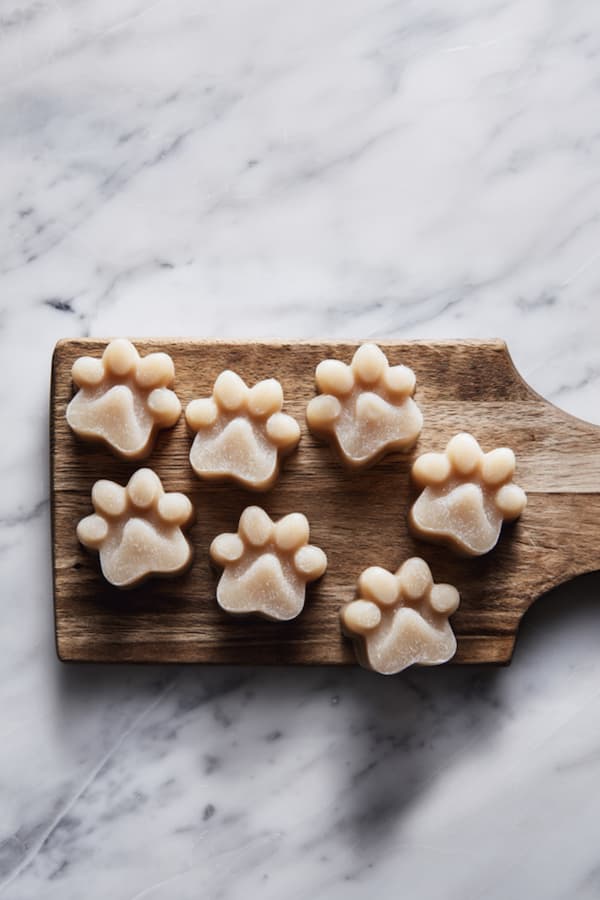
So I went searching for a dog-safe version, and that’s how these 2-ingredient dog popsicles were born. Just peanut butter and chicken broth, and suddenly my dog thinks I’m a gourmet chef.
What You’ll Need
| Ingredient | Amount | Detailed Benefits | Selection Tips |
|---|---|---|---|
| Peanut butter (xylitol-free) | 1 cup | Protein, healthy monounsaturated fats, vitamin E, and irresistible flavor that encourages eating | Choose natural, unsalted varieties with only peanuts as ingredients |
| Chicken broth (unsalted) | 1 cup | Hydration, minerals like potassium and phosphorus, B vitamins, and savory taste dogs love | Look for low-sodium or no-salt-added versions without onion or garlic |
Quality Indicators for Ingredients

- Peanut Butter: Should be thick, creamy, and made from 100% peanuts
- Chicken Broth: Should be clear, aromatic, and free from any sediment or cloudiness
How to Make Chicken Broth Dog Popsicles
Follow these detailed steps to create perfectly layered, delicious popsicles every time.
Step 1: Prepare Your Workspace and Materials (5 minutes)
Gather silicone ice cube trays, dog treat molds, or small paper cups. Clean all equipment thoroughly and have a measuring cup with a spout ready for easy pouring. Ensure your freezer has adequate space for the molds to sit level.
Step 2: Create the Broth Base Layer
Pour the chicken broth into a measuring cup with a spout for easy, mess-free pouring. This prevents spills and allows for precise portion control. Room temperature broth pours more easily than cold broth.
Step 3: Strategic First Layer Freeze (60 minutes)
Fill each cavity of your chosen mold about halfway with chicken broth, leaving room for expansion during freezing. Place the mold in the freezer for roughly 1 hour, or until the broth is partially frozen and firm enough to hold the next layer without mixing. The surface should be solid but the center slightly soft.
Step 4: Prepare the Peanut Butter Layer
Spoon peanut butter into a small microwave-safe bowl and heat for 10–15 seconds—just enough to soften it for easier spreading and layering. Stir gently to achieve smooth consistency. Don’t overheat, as hot peanut butter can melt the frozen broth layer.
Step 5: Layering
Carefully add the softened peanut butter on top of the frozen broth layer using a small spoon or piping bag for precision. Fill the molds to about 90% capacity, leaving space for expansion. Tap the molds gently on the counter to remove air bubbles.
Step 6: Final Freeze for Optimal Texture (4+ hours)
Return the mold to the freezer and let the popsicles freeze completely—about 4 hours minimum, or overnight for best results and easiest removal. Properly frozen popsicles will be solid throughout but still slightly yielding when pressed.
Step 7: Serving Technique
Pop the frozen treats out of the molds by gently pushing from the bottom or running warm water over the outside of the mold for 10-15 seconds. If using paper cups, peel them away before serving. Serve immediately for best texture and temperature.
Size and Portion Guidelines
Proper sizing ensures safety and enjoyment for dogs of all sizes while preventing overfeeding.
- Small Dogs (Under 25 lbs)
Use mini ice cube trays or cut standard popsicles into smaller pieces. Serve 1-2 mini popsicles or half of a standard size. Monitor closely to prevent choking on large pieces.
- Medium Dogs (25-60 lbs)
Standard ice cube tray size works perfectly. Serve 1-2 whole popsicles depending on the dog’s activity level and the outside temperature.
- Large Dogs (60+ lbs)
Can handle larger portions and bigger molds. Serve 2-3 popsicles or use larger molds like silicone muffin cups for more substantial treats.
- Senior Dogs and Puppies
Use smaller portions and softer consistency by slightly reducing freezing time. Monitor eating to ensure they can handle the texture comfortably.
Storage Tips
Proper storage ensures your popsicles remain fresh, safe, and delicious for maximum shelf life.
Short-Term Storage (Up to 1 week)
Store in the original molds covered with plastic wrap or transfer to an airtight container with parchment paper between layers to prevent sticking.
Long-Term Storage (Up to 2 months)
Transfer to freezer-safe containers or zip-top bags with as much air removed as possible to prevent freezer burn. Label with contents and date for best quality control.
Never thaw and refreeze popsicles. Once removed from freezer, serve within 10-15 minutes before they become too messy.
Twists to Try
Expand your repertoire with these tested variations that add nutritional value and sensory interest.
- Garden Veggie Crunch
Add a few peas, small carrot bits, or green beans into the broth layer before freezing. These vegetables provide additional vitamins and create interesting textures that promote dental health through natural chewing action.
- Fresh Breath Herbal Enhancement
Mix a pinch of finely chopped fresh parsley or mint into the peanut butter layer for natural breath freshening properties. These herbs also provide antioxidants and digestive benefits.
- Antioxidant Berry Surprise
Place a single blueberry, small strawberry piece, or cranberry in the center of each mold for a pop of flavor and powerful antioxidants that support immune function.
- Tropical Twist
Replace some chicken broth with coconut water for natural electrolytes.
Health Benefits of The Treats
#1 Hydration Support
Each popsicle provides approximately 1/4 cup of additional fluid intake, which can be significant for dogs who don’t drink enough water naturally.
#2 Protein Contribution
With about 8-10 grams of protein per standard popsicle, these treats contribute meaningfully to daily protein requirements, especially for smaller dogs.
#3 Healthy Fat Benefits
The monounsaturated fats in peanut butter support skin and coat health while providing sustained energy and promoting the absorption of fat-soluble vitamins.
Frequently Asked Questions
Can puppies safely enjoy these popsicles?
Yes, puppies over 12 weeks old can have these in smaller portions (about 1/3 of adult serving). Monitor them while eating to ensure they can handle the texture and temperature safely. The softer consistency from slightly warmed peanut butter works better for young puppies.
Can I use beef, vegetable, or bone broth instead of chicken?
Absolutely! Just ensure any broth you choose is unsalted and free from onion, garlic, or other unsafe ingredients. Bone broth provides additional collagen and minerals that support joint health.
Are these safe for dogs with diabetes or other health conditions?
The natural sugars in peanut butter may affect blood sugar levels, so consult your veterinarian before offering to diabetic dogs. Dogs with pancreatitis should avoid high-fat treats like these. Always check with your vet about dietary restrictions.
Can I make these without freezing for dogs who don’t like cold treats?
Yes! Serve the mixture at room temperature as a liquid treat, or partially freeze for a slush-like consistency. You can also warm slightly before serving.
Conclusion
Now, every time I open the freezer, my dog materializes out of thin air—like he’s got some sort of popsicle radar. These treats are so simple that I’ve stopped pretending they’re just for hot days. Apparently, every day is “popsicle weather” in his world. Make a batch, and don’t be surprised if you start getting guilt-tripped into handing them out like you run a neighborhood dog ice cream truck.