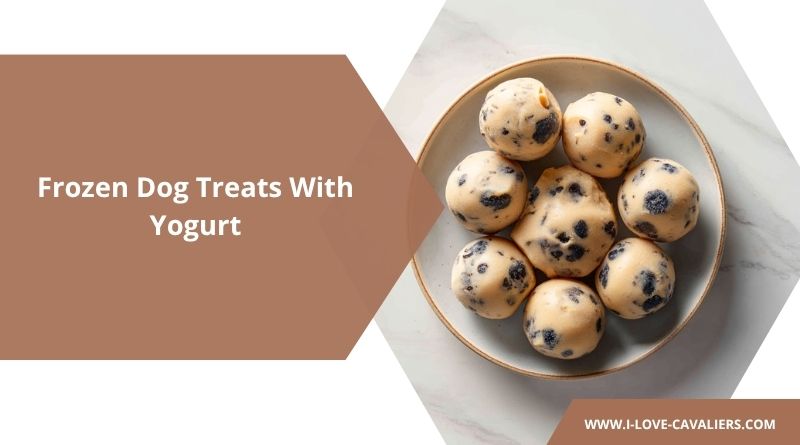
It was one of those July afternoons where even the floor tiles felt warm. Snickers was sprawled out under the kitchen table, panting like he’d just run a marathon. He hadn’t. He’d walked from his bed to the kitchen. That was it.
I opened the fridge looking for something cold to give him and spotted a tub of plain Greek yogurt sitting on the middle shelf. I’d bought it for myself and barely touched it. So I grabbed a spoon, scooped some into an ice cube tray, tossed in a few blueberries, and stuck it in the freezer.
Three hours later, I popped one out and handed it to him. He licked it, paused, looked up at me, and then went at it like it was the best thing he’d ever tasted. Just a frozen cube of yogurt with some fruit in it. Nothing fancy. But watching him crunch through it on the cool kitchen floor while his tail wagged the entire time, I knew this was going into the regular rotation.
I’ve made these every week since. Five minutes of work, maybe six ingredients, and Snickers acts like I’m handing him a steak every single time.
Why Greek Yogurt Works for Dogs
Not all dairy is created equal when it comes to dogs. Greek yogurt sits in a sweet spot that most other dairy products don’t.
- Lower lactose than regular yogurt. The straining process removes a big chunk of the lactose, which is what causes digestive issues in dogs. Most dogs handle Greek yogurt without any problems at all
- Packed with protein. A half cup of plain Greek yogurt has about 12 to 15 grams of protein. That’s more than most commercial dog treats deliver in an entire bag
- Natural probiotics. The live cultures in Greek yogurt support gut health and digestion. If your dog gets an occasional upset stomach, probiotics can genuinely help
- Dogs love the taste. I don’t fully understand why, but Snickers reacts to yogurt the way he reacts to chicken. Pure excitement
One thing to be careful about. Not all Greek yogurt is safe for dogs. You need plain, unsweetened yogurt with no artificial sweeteners. Xylitol is toxic to dogs and it shows up in some flavored and “light” yogurts. Always check the ingredient list. If it says anything besides milk and live cultures, put it back.
Frozen Greek Yogurt Bites With Peanut Butter and Banana
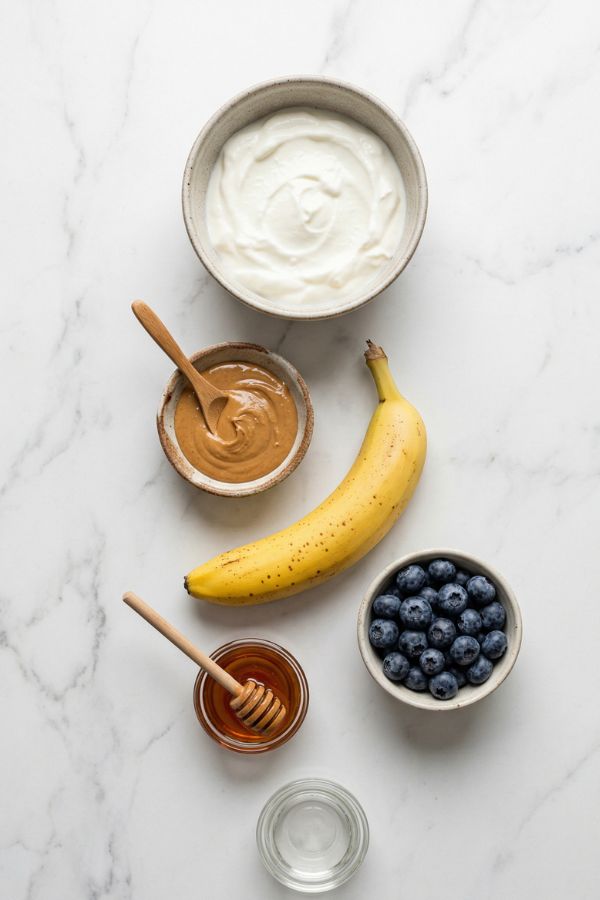
This is the recipe I come back to every single week. The peanut butter gives it richness, the banana adds natural sweetness, and the blueberries freeze into little crunchy pops that Snickers loves biting into. The whole thing takes about five minutes of hands-on time. The freezer does the rest.
Ingredients
| Ingredient | Amount |
|---|---|
| Plain Greek yogurt | 1 cup |
| Peanut butter | 2 tablespoons |
| Ripe banana | 1 small |
| Blueberries | 1/4 cup |
| Honey | 1/2 teaspoon |
| Coconut oil | 1 teaspoon |
Instructions
Step 1: Mash the Banana
Put the banana in a mixing bowl and mash it with a fork until it’s mostly smooth. A few small lumps are fine. You’re not making baby food. Just get it broken down enough that it’ll blend evenly into the yogurt.
Step 2: Mix In the Yogurt and Peanut Butter
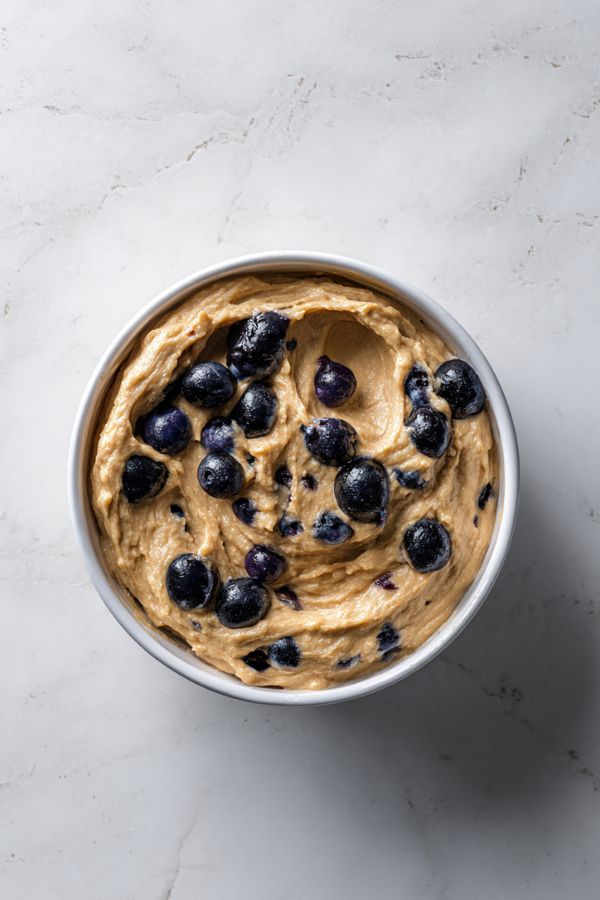
Add the Greek yogurt, peanut butter, honey, and melted coconut oil to the bowl. Stir everything together until the mixture is smooth and evenly combined. It’ll be thick and creamy with a light tan color from the peanut butter. Taste it if you want. I won’t judge. I’ve done it more than once (sounds weird, but it’s actually good).
Step 3: Fold In the Blueberries
Drop the blueberries into the mixture and gently stir them in. You want them spread throughout, not clumped in one spot. Don’t crush them unless you want the entire batch to turn purple. A few will split open on their own and that’s fine.
Step 4: Fill Your Molds
Spoon the mixture into a silicone mold or ice cube tray. Fill each cavity about three-quarters full. A standard ice cube tray gives you 14 to 16 bites. Silicone paw-shaped molds or bone-shaped molds work great if you have them, but regular cubes are just as effective.
I tried using a muffin tin once to make bigger portions. They took forever to freeze and Snickers couldn’t finish one in a sitting. Smaller is better for this. Stick with ice cube or mini mold sizes.
Step 5: Freeze for at Least 4 Hours
Set the tray flat in the freezer and leave it alone for a minimum of 4 hours. Overnight is even better. The treats need to freeze solid all the way through. If the center is still soft, they’ll fall apart when your dog tries to eat them.
Step 6: Pop Them Out and Store
Once frozen solid, pop the treats out of the mold. If they’re stuck, run warm water over the bottom of the tray for a few seconds and they’ll release. Transfer them to a freezer bag or airtight container and keep them in the freezer.
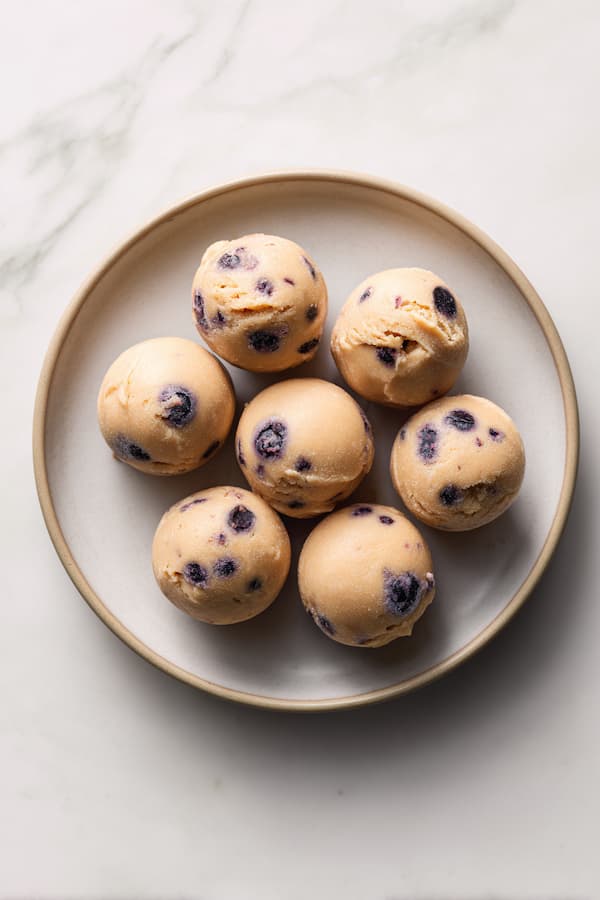
That’s the whole recipe. I timed myself last week and it took me four minutes and thirty seconds from grabbing ingredients to putting the tray in the freezer. The cleanup was one bowl, one fork, and one spoon. Snickers sat next to me the entire time, staring at the bowl like he was supervising.
Storage
Keep these in a sealed freezer bag or container in the freezer. They’ll stay good for up to 3 months. Don’t thaw and refreeze them. Once a treat is out of the freezer, it needs to be eaten within 15 to 20 minutes. After that, it turns into a melty yogurt puddle on your floor. Ask me how I know.
Serving Guidelines
| Dog Weight | Treats Per Day |
|---|---|
| Under 10 lbs | 1 bite |
| 10 to 25 lbs | 1 to 2 bites |
| 25 to 50 lbs | 2 to 3 bites |
| Over 50 lbs | 3 to 4 bites |
These are treats, not meal replacements. Even though every ingredient is healthy, the calories from peanut butter and yogurt add up quick in small dogs. I give Snickers one to two bites per day during summer and he’s perfectly happy with that.
If your Cavalier tends to gain weight easily, this guide helps you figure out where they stand so you’re not accidentally overfeeding with treats.
Those are the basics. Here are a few things worth knowing before you start experimenting.
The Simplest Treat That Gets the Biggest Reaction
There’s something funny about spending four minutes throwing yogurt and fruit into an ice cube tray and having your dog react like you just cooked a five-course meal. But that’s exactly what happens. Every time.
Snickers hears the freezer drawer open now and immediately appears in the kitchen. He didn’t used to do that. It started about three weeks into making these, and now it’s a whole routine. Freezer opens, paws click across the floor, he sits, he stares, he gets his treat. Then he takes it to his spot under the kitchen table and works on it for a solid five minutes, crunching and licking until there’s nothing left but a small wet spot on the tile.
Four ingredients. Five minutes. And a dog who thinks you’re the greatest person alive. Hard to beat that ratio.
I’m a passionate dog lover and kitchen enthusiast, but I’m not a certified veterinarian or animal nutritionist. If you’re adding new foods to your dog’s diet or making changes to their routine, it’s always worth a quick check with your vet to make sure everything works for your specific pup.
Bon appétit to your furry friend!